On-the-Move Awareness
Maintain useful low-altitude awareness during patrol or at temporary operating positions.
A mobile detection, command and authorized response package for patrols, convoys, temporary sites and rapidly changing security missions.
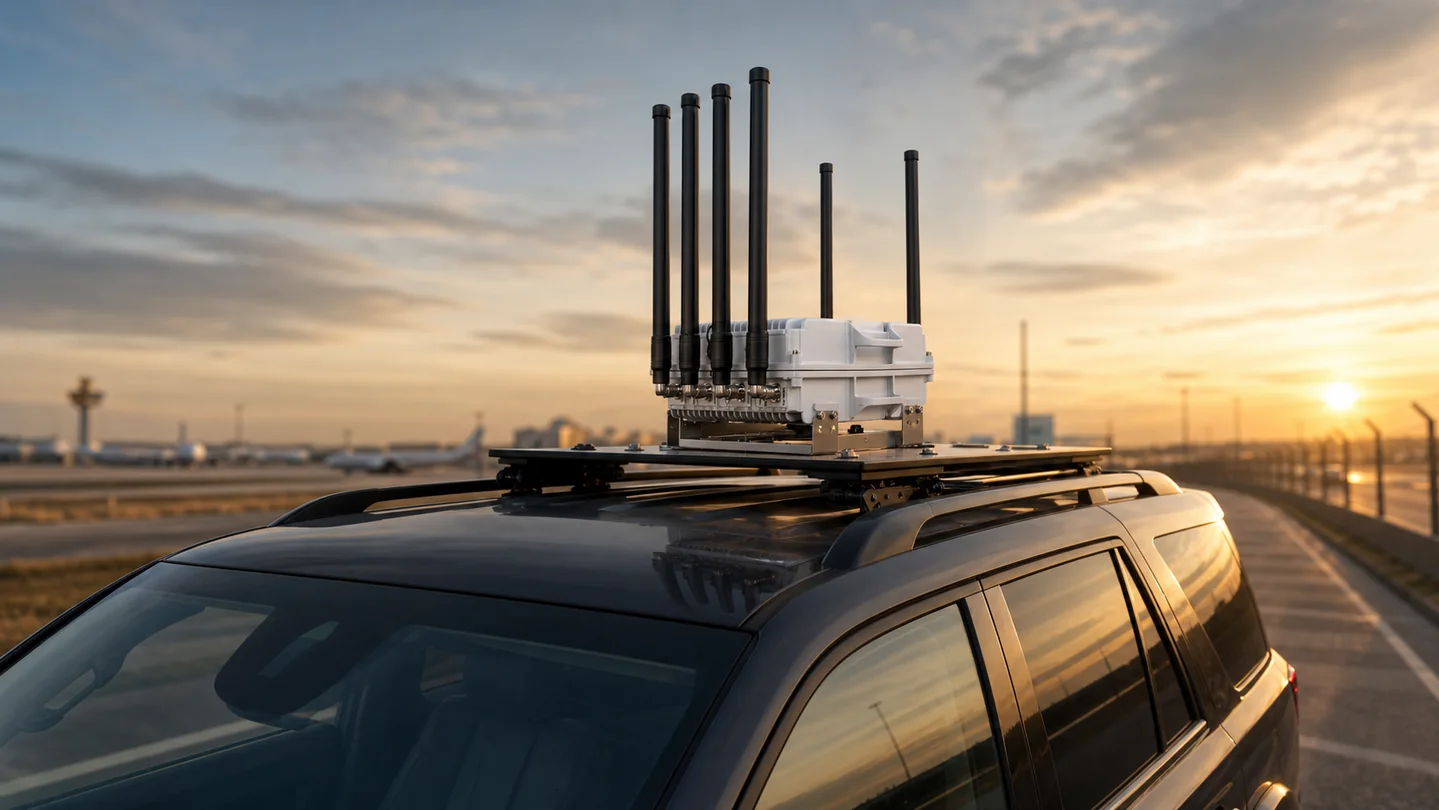
A mobile counter-UAS vehicle must balance detection coverage, antenna placement, equipment power, operator workload, transport safety and rapid setup. The system can combine roof-mounted or mast-mounted sensing, in-vehicle command software and project-approved response equipment while preserving vehicle access and maintenance requirements.
Select capabilities around the protected site and operating requirement—not a fixed equipment list.
Maintain useful low-altitude awareness during patrol or at temporary operating positions.
Move from transport to mission operation with defined power, antenna and software procedures.
Bring alerts, maps, tracks and device status into a vehicle-based command interface.
Plan mounting, vibration, cooling, cable routing, EMC, power load and service access.
Define patrol speed, stop duration, terrain and expected target activity.
Confirm roof space, payload, power, cooling and operator positions.
Match sensors, antennas, command software and approved response devices.
Test coverage, setup time, communications and operating procedures.
Mobile awareness and response support for moving security formations.
Relocatable coverage for long or changing terrain.
Rapid deployment where permanent infrastructure is unavailable.
Additional mobile coverage during elevated threat periods.
Vehicle model, roof layout, payload and available power
Patrol route, stop pattern, terrain and operating duration
Required detection, direction finding and response functions
Crew workflow, communications, mounting and acceptance tests
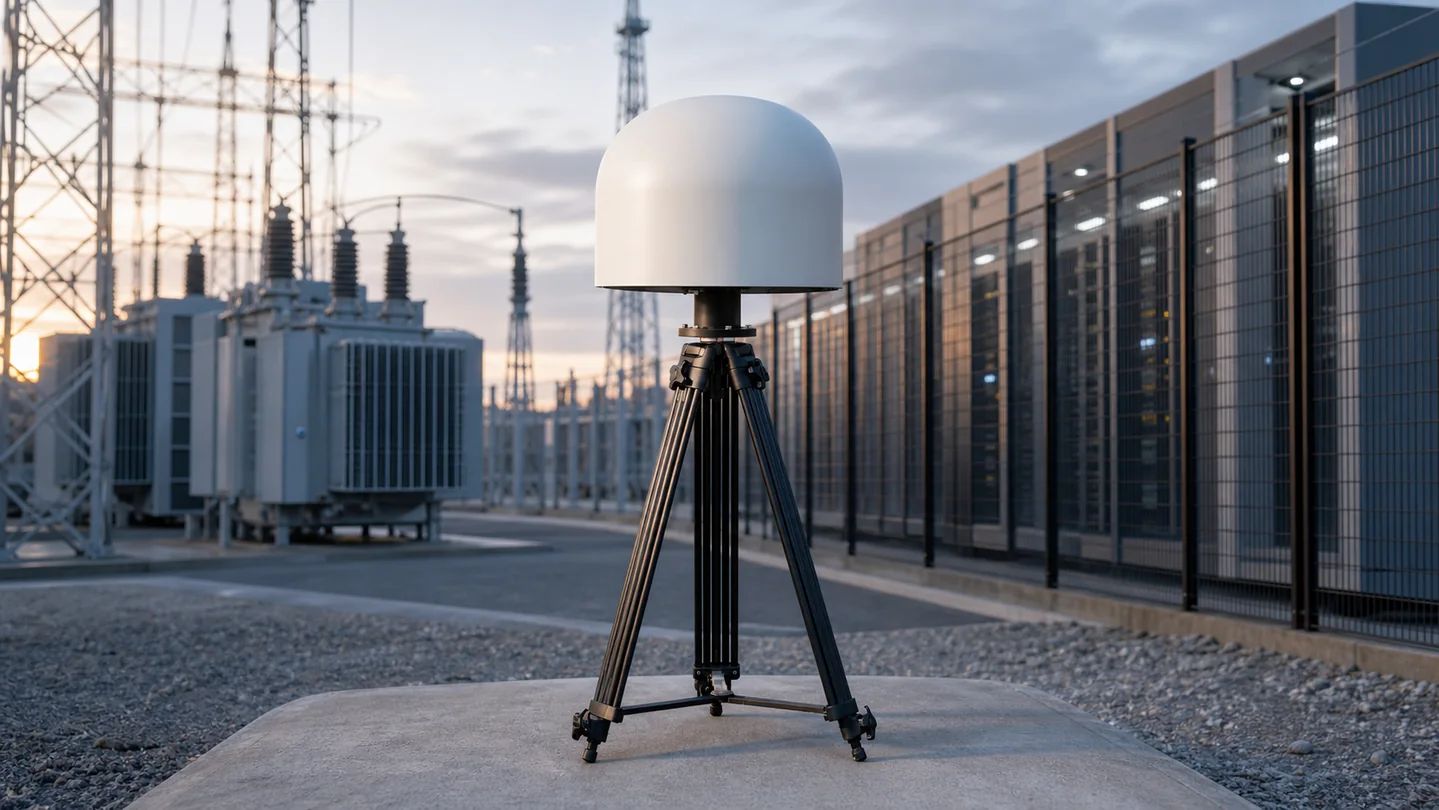
A layered drone detection and authorized response architecture for power plants, substations, energy sites, data centers and other high-value facilities.
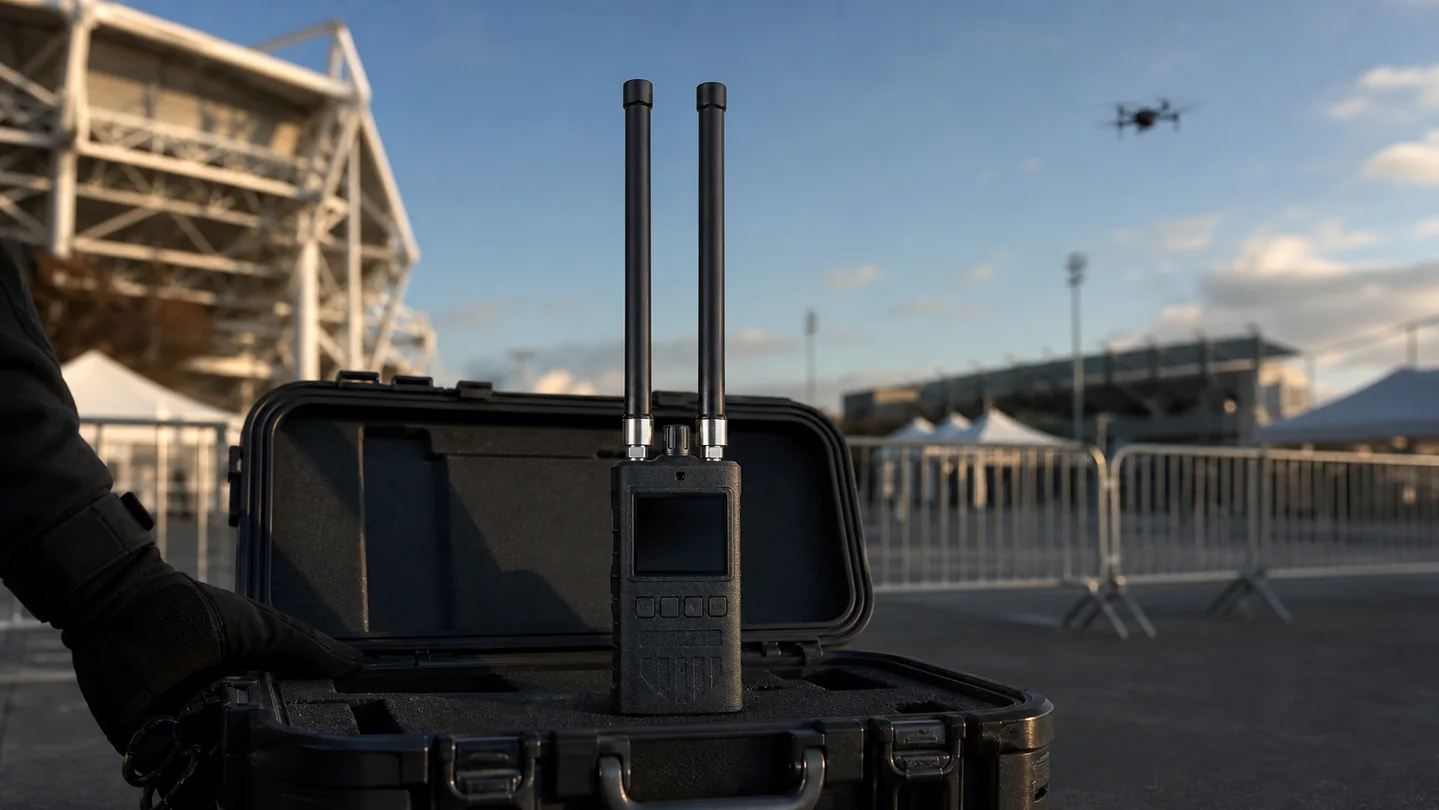
Layered RF, radar, optical and authorized response options for low, fast and short-warning FPV drone threats.
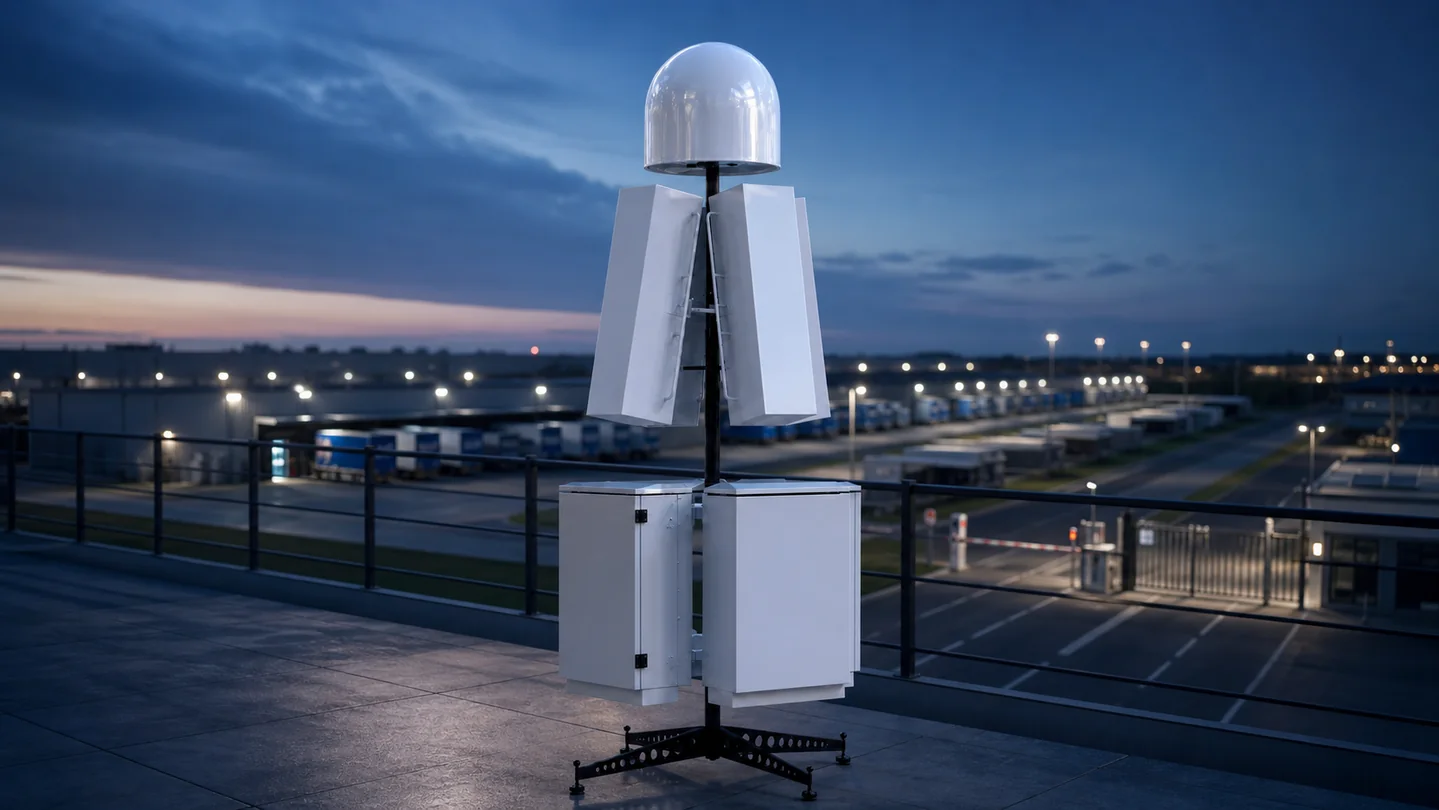
Connect drone detection, verification, command software and legally authorized jamming equipment in one controlled counter-UAS workflow.
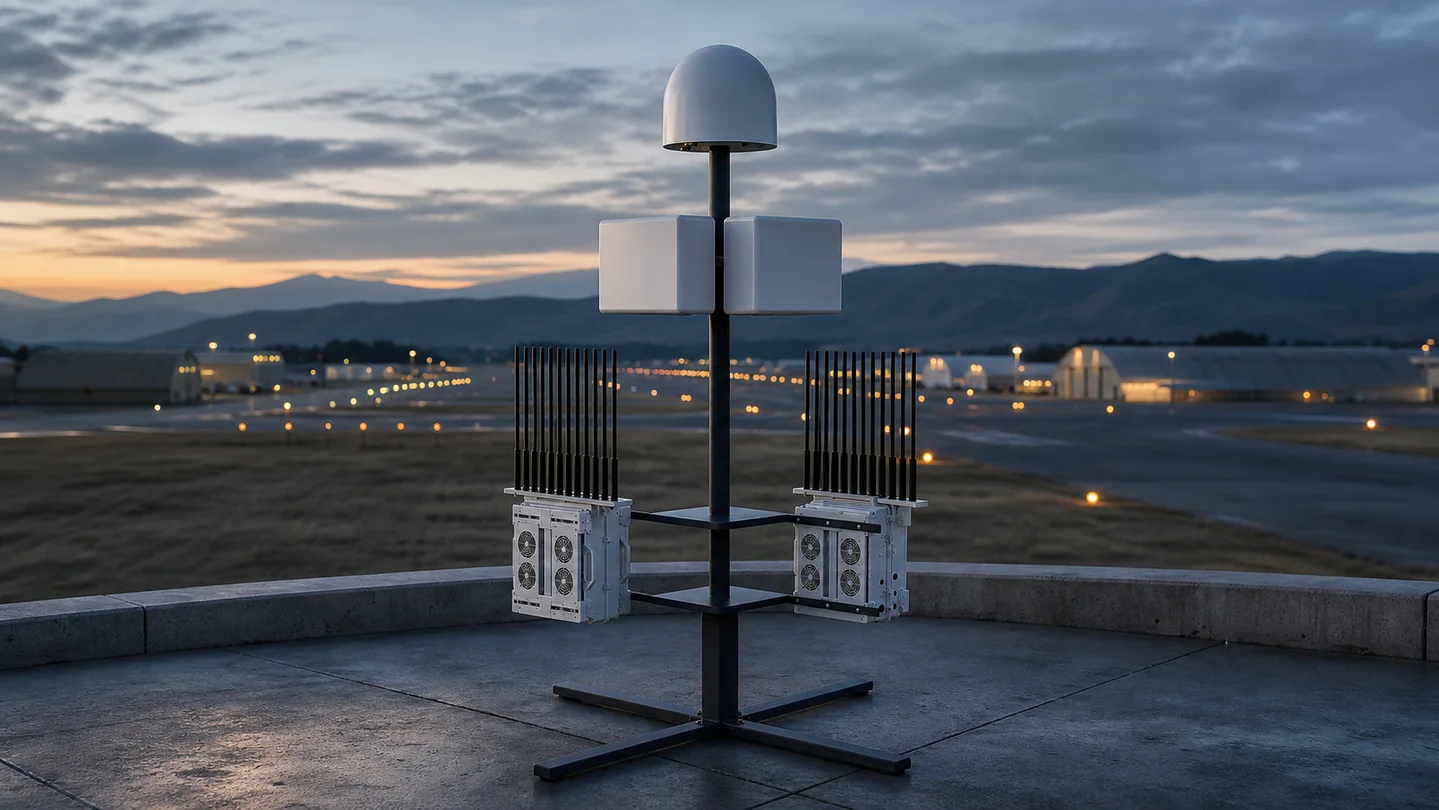
A layered fixed-site and mobile counter-UAS architecture for perimeter awareness, sensitive zones, patrol support and controlled response.
A configuration can include RF detection, direction finding, radar or EO/IR verification, command software, antennas and authorized response equipment.
Some sensing functions can support mobile operation, while accurate direction finding, radar tracking or response may require a stationary operating position depending on the architecture.
Provide vehicle dimensions, roof and cabin drawings, payload allowance, available DC or AC power, cooling, cable routes, operator positions and environmental requirements.
Yes, subject to a vehicle survey and confirmation of structural mounting, power, cooling, EMC, safety and maintenance access.
Send the protected site, target profile, coverage and integration requirements. Our team will propose a practical architecture.

Shenzhen Jianhong Industrial Co., Ltd.
Professional low-altitude security and RF technology solution provider, offering integrated detection, monitoring, signal management, RF modules and customized OEM/ODM services.