Wide-Area Perimeter Coverage
Layer fixed and distributed sensors around long boundaries and likely approaches.
A layered fixed-site and mobile counter-UAS architecture for perimeter awareness, sensitive zones, patrol support and controlled response.
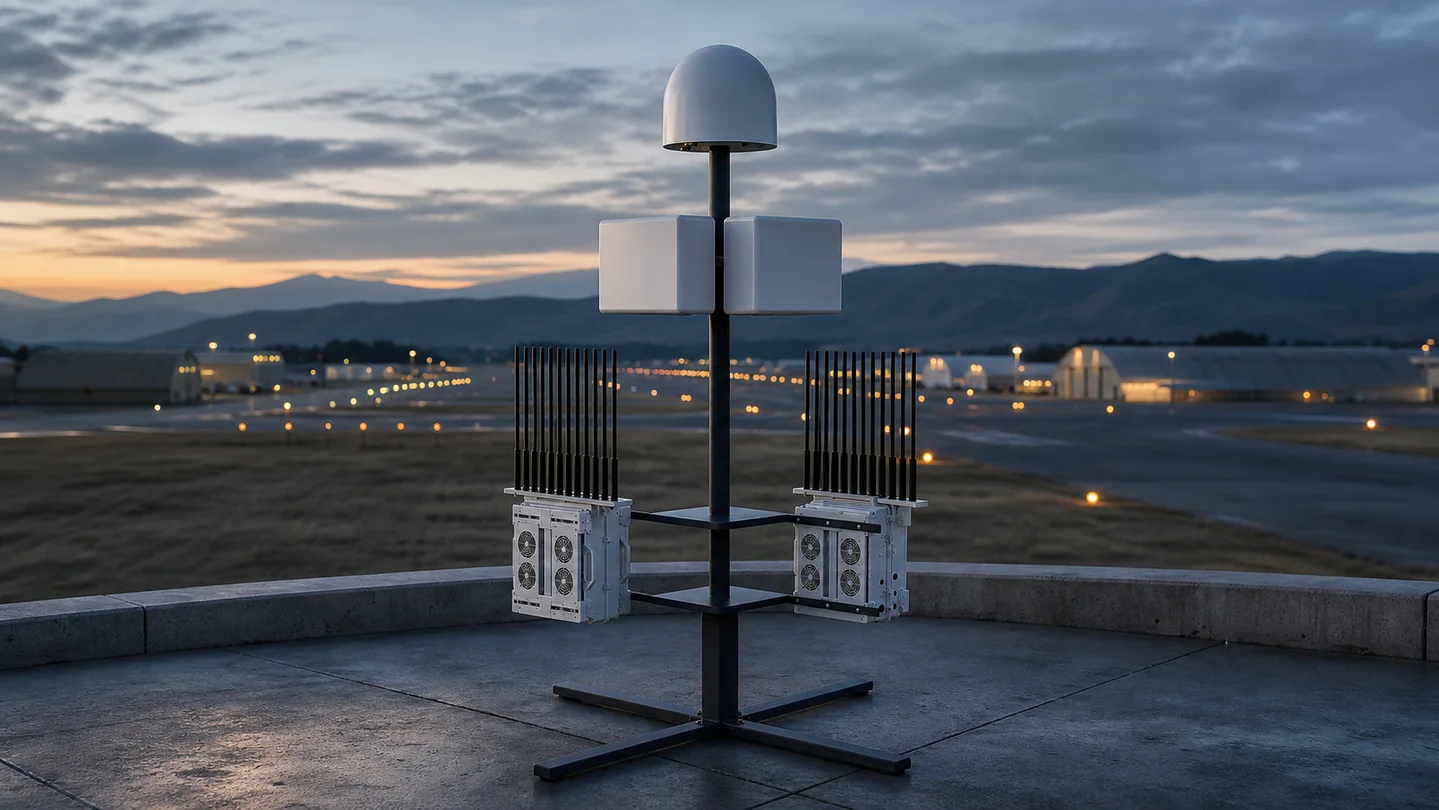
Military-base drone defense requires persistent sensing, distributed coverage and a command workflow that can serve different security zones. The architecture should account for perimeter length, terrain, buildings, airfield activity, spectrum use, mobile patrols and the required escalation chain before equipment is selected.
Select capabilities around the protected site and operating requirement—not a fixed equipment list.
Layer fixed and distributed sensors around long boundaries and likely approaches.
Combine RF, radar and EO/IR evidence for cooperative and non-cooperative targets.
Present tracks, alarms and permissions according to mission area and operator role.
Support permanent sites, patrol units and temporary reinforcement with approved equipment.
Map zones, terrain, spectrum, assets, air activity and observation positions.
Allocate sensors and communications by target and coverage requirement.
Define operator roles, escalation, evidence and system interfaces.
Exercise representative targets, routes, shifts and response procedures.
Awareness around runways, aprons and flight-support zones.
Layered monitoring around protected compounds and assets.
Distributed sensing for remote or terrain-constrained boundaries.
Portable or vehicle-based support for changing operating areas.
Protected zones, perimeter length, terrain and airfield constraints
Threat library, target types, tactics and required warning time
Command hierarchy, communications, interfaces and operator roles
Fixed/mobile mix, environmental requirements and validation scenarios
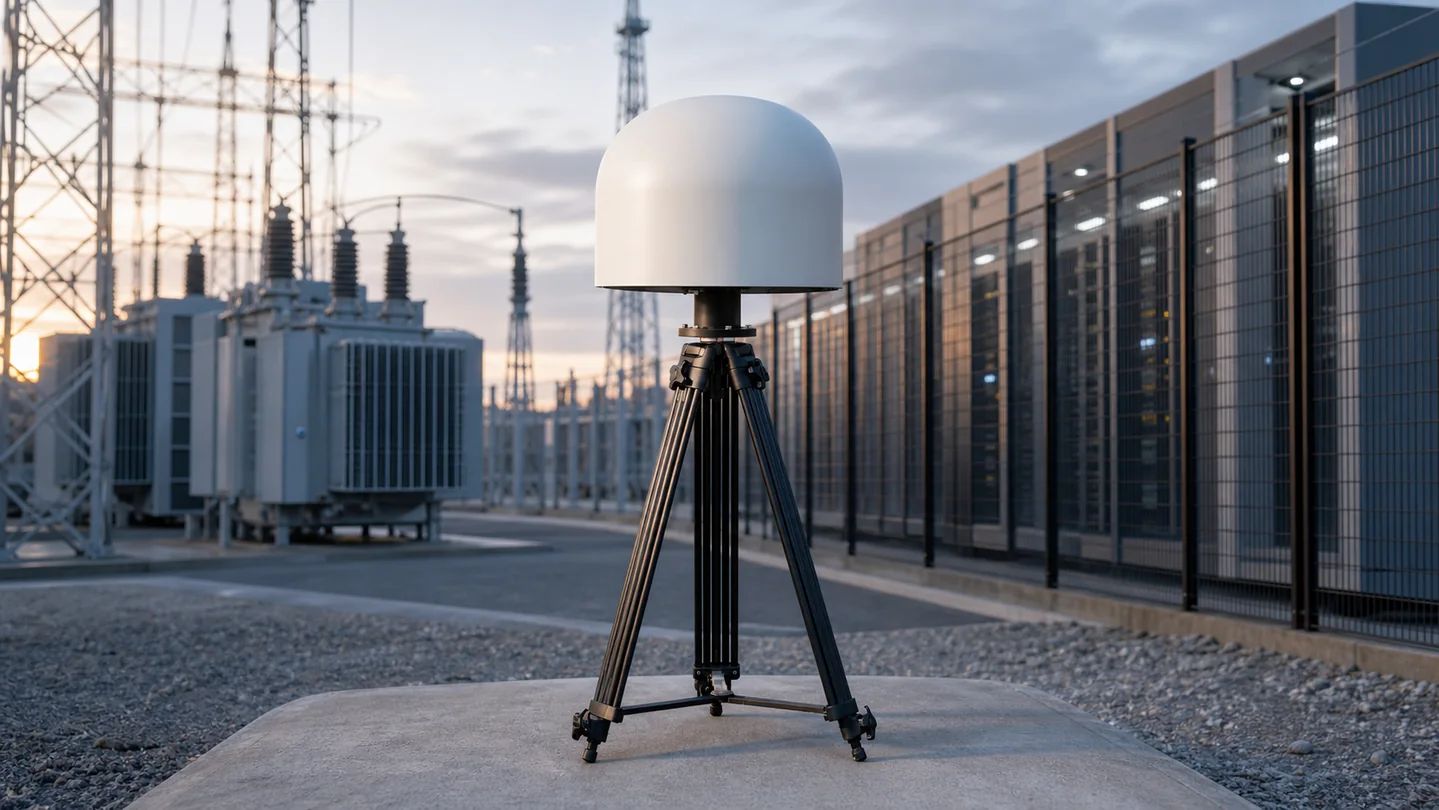
A layered drone detection and authorized response architecture for power plants, substations, energy sites, data centers and other high-value facilities.
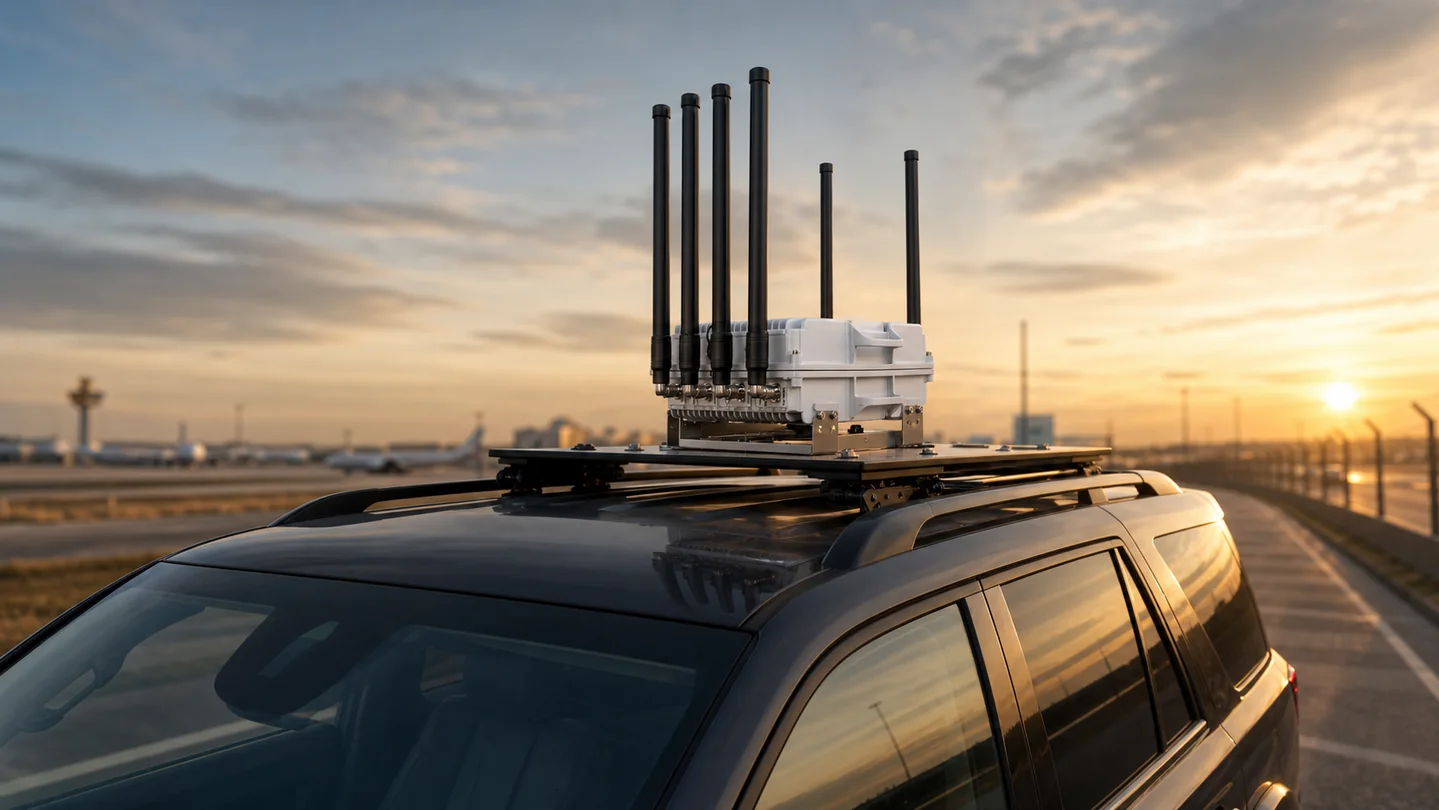
A mobile detection, command and authorized response package for patrols, convoys, temporary sites and rapidly changing security missions.
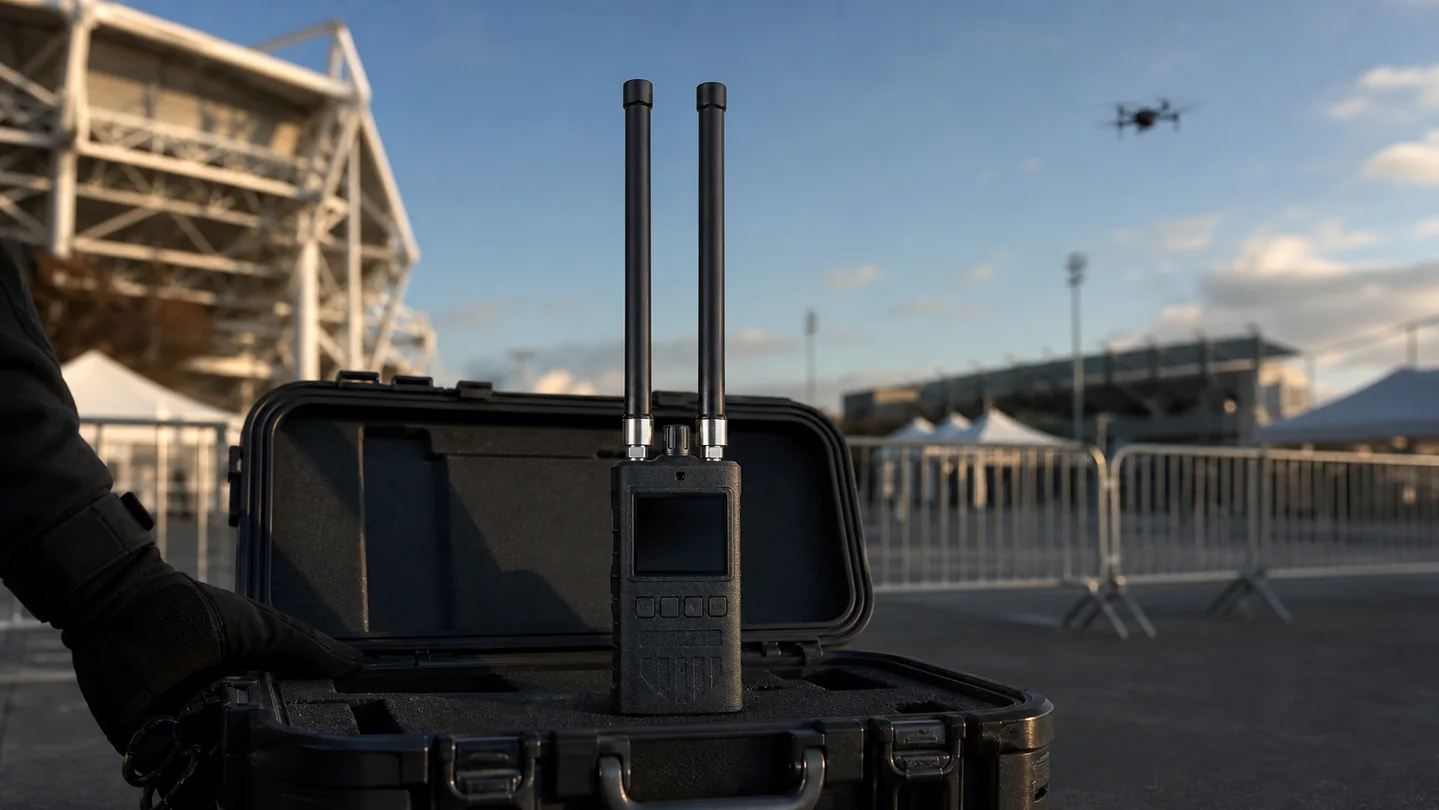
Layered RF, radar, optical and authorized response options for low, fast and short-warning FPV drone threats.
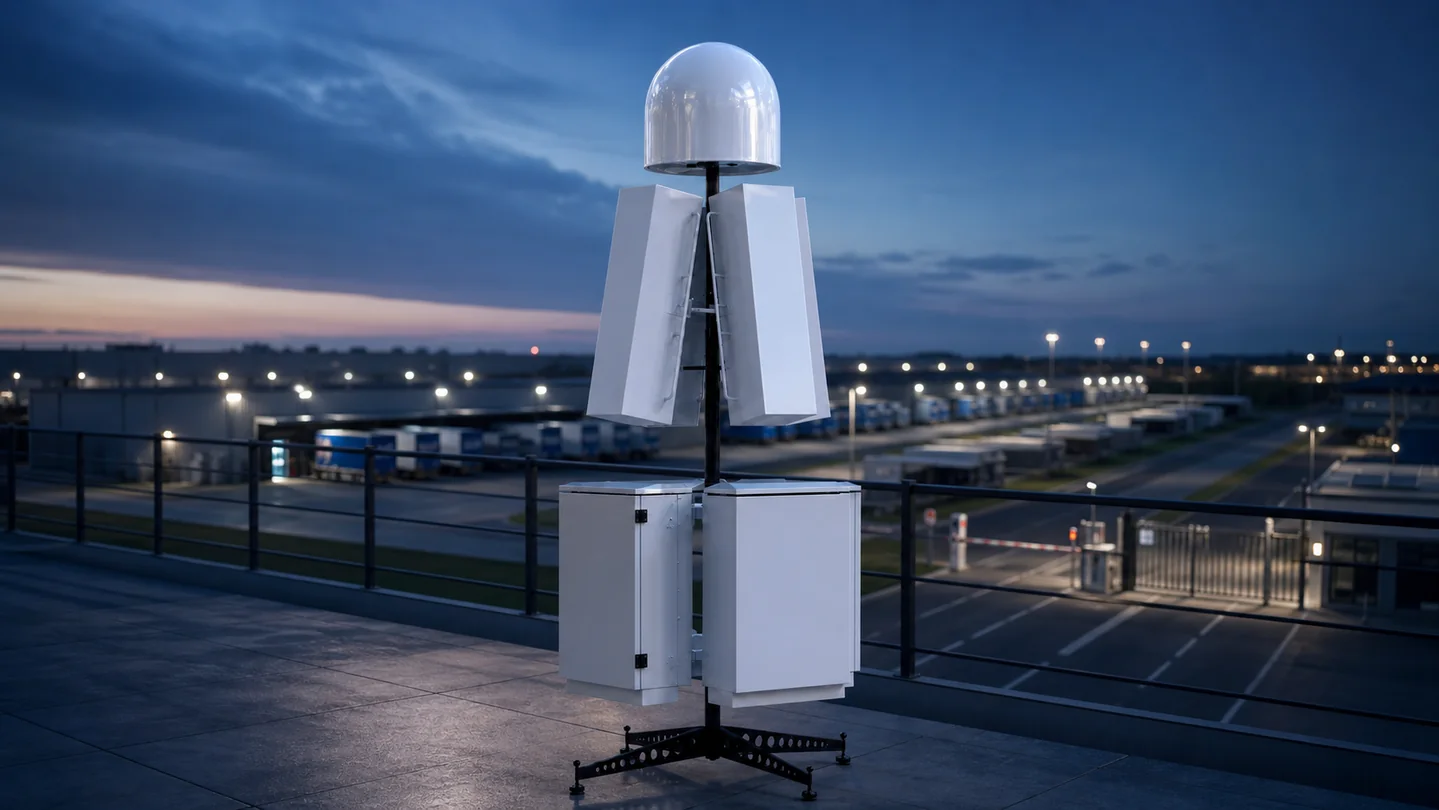
Connect drone detection, verification, command software and legally authorized jamming equipment in one controlled counter-UAS workflow.
Projects can combine RF sensing, radar, EO/IR tracking and distributed observation according to the target, terrain, spectrum and coverage requirement.
Large or complex sites usually require multiple sensor positions and zone-based architecture rather than one central device.
Yes. A command layer can combine persistent fixed-site awareness with mobile patrol or temporary reinforcement assets.
Acceptance should use representative targets, routes, heights, speeds, spectrum conditions, operator shifts and response procedures.
Send the protected site, target profile, coverage and integration requirements. Our team will propose a practical architecture.

Shenzhen Jianhong Industrial Co., Ltd.
Professional low-altitude security and RF technology solution provider, offering integrated detection, monitoring, signal management, RF modules and customized OEM/ODM services.