Define the operating requirement
Document the protected site, target profile, frequency environment, coverage, deployment method and applicable operating rules.

Use practical engineering guides to compare counter-UAS equipment, RF modules and antennas before preparing a technical request for quotation.
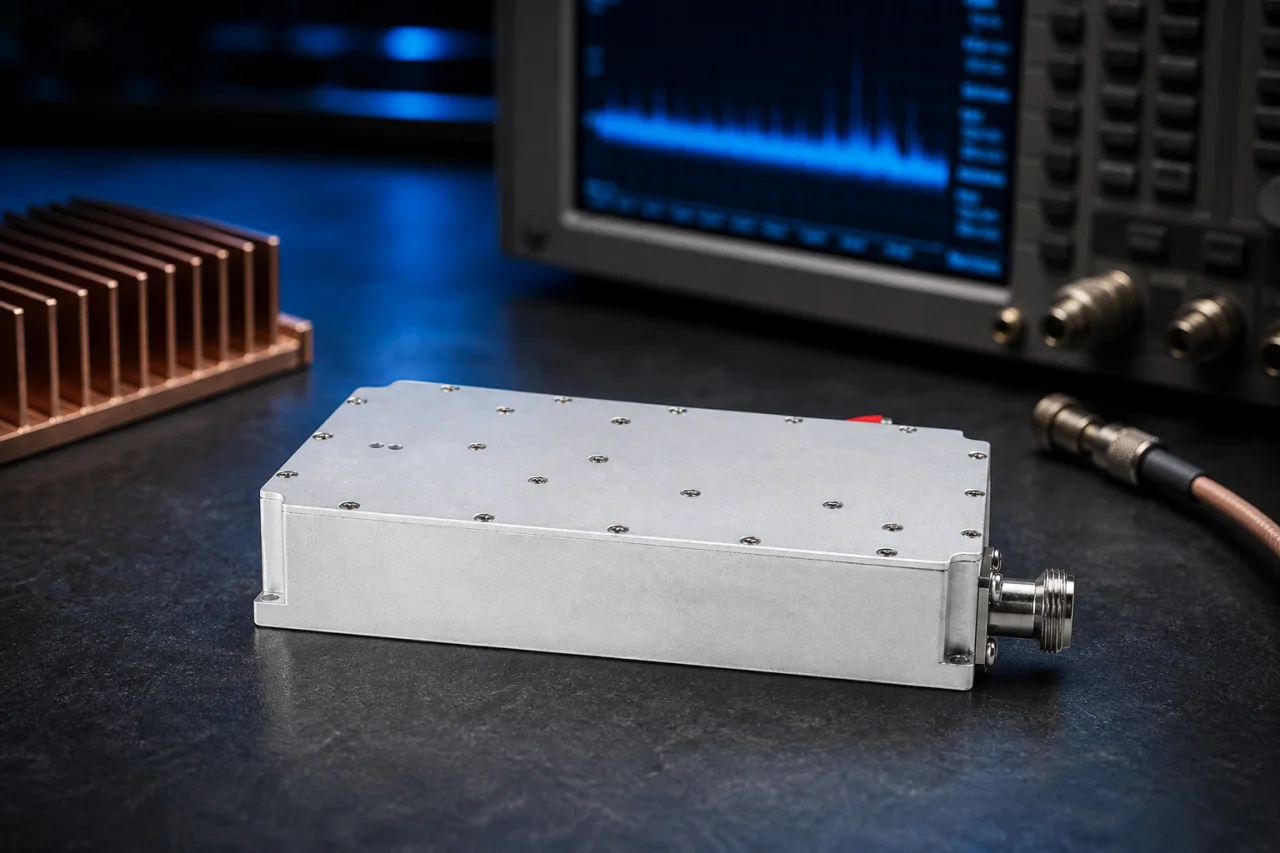
A practical RF power amplifier module selection guide covering frequency range, output power, gain, VSWR, cooling, interfaces, protection and OEM customization.
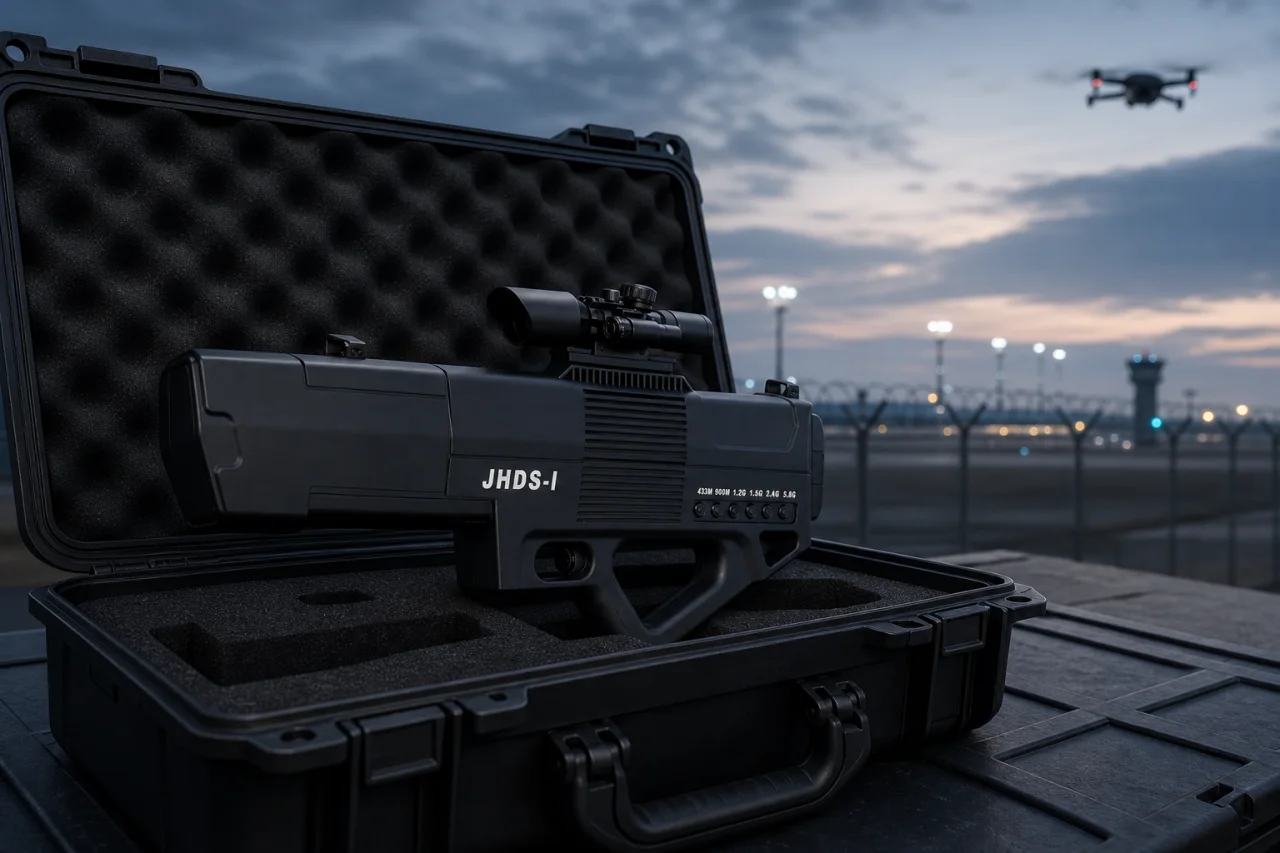
A practical buyer guide to FPV drone detection and jamming systems, covering link types, deployment formats, RF requirements, environmental design, testing and compliance.
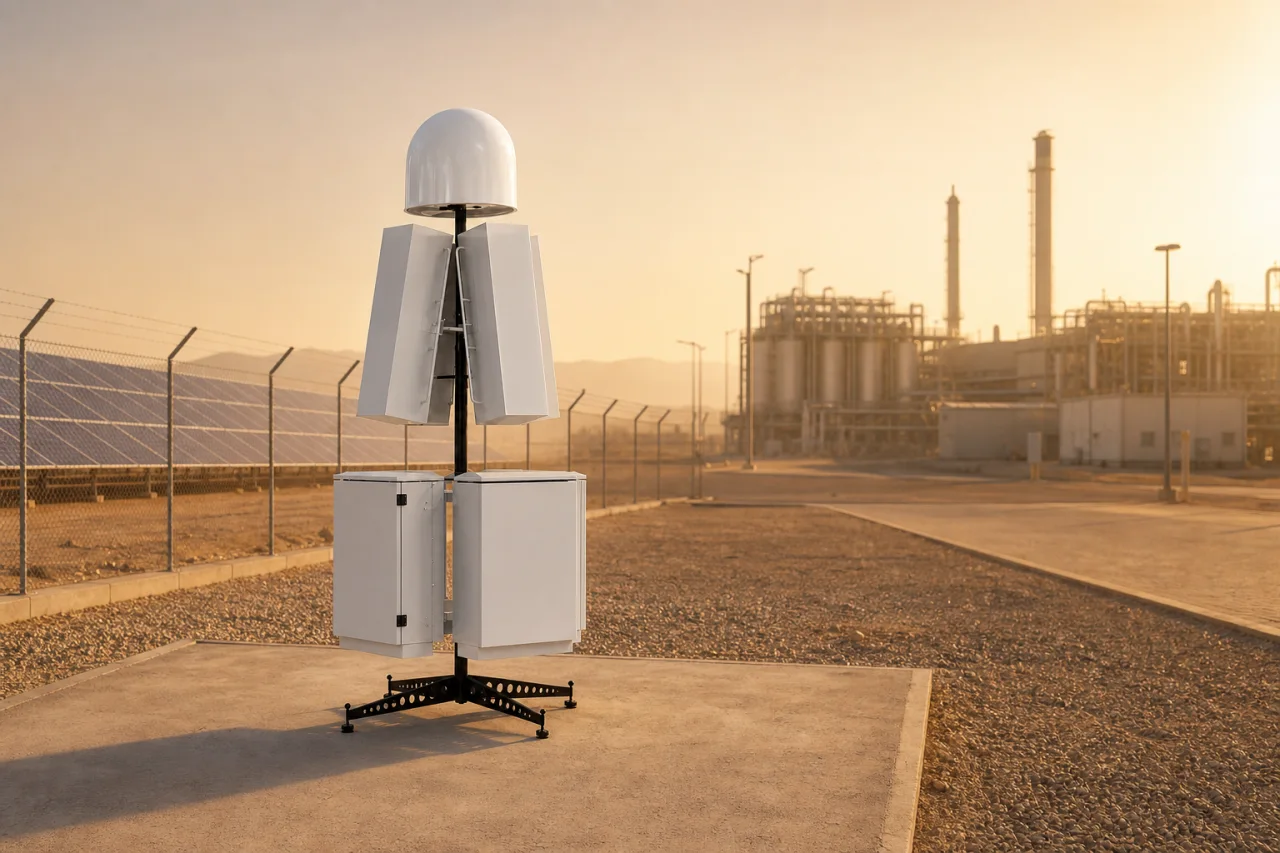
A procurement checklist for counter-UAV systems at hot, dusty Middle East sites, covering environment, architecture, power, testing, compliance and lifecycle support.
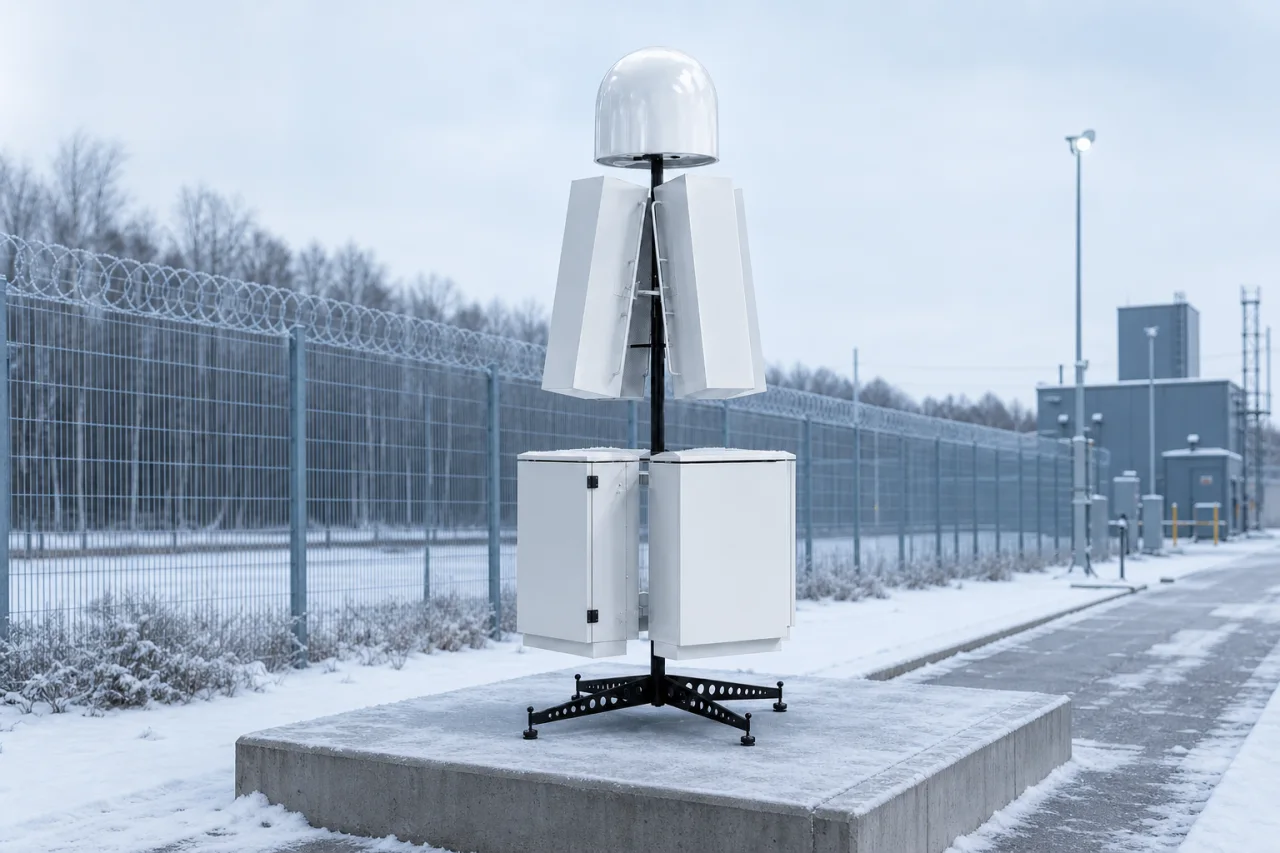
A practical Eastern Europe counter-UAV procurement guide covering cold start, condensation, snow, vehicle power, sensors, FAT/SAT, compliance and lifecycle support.
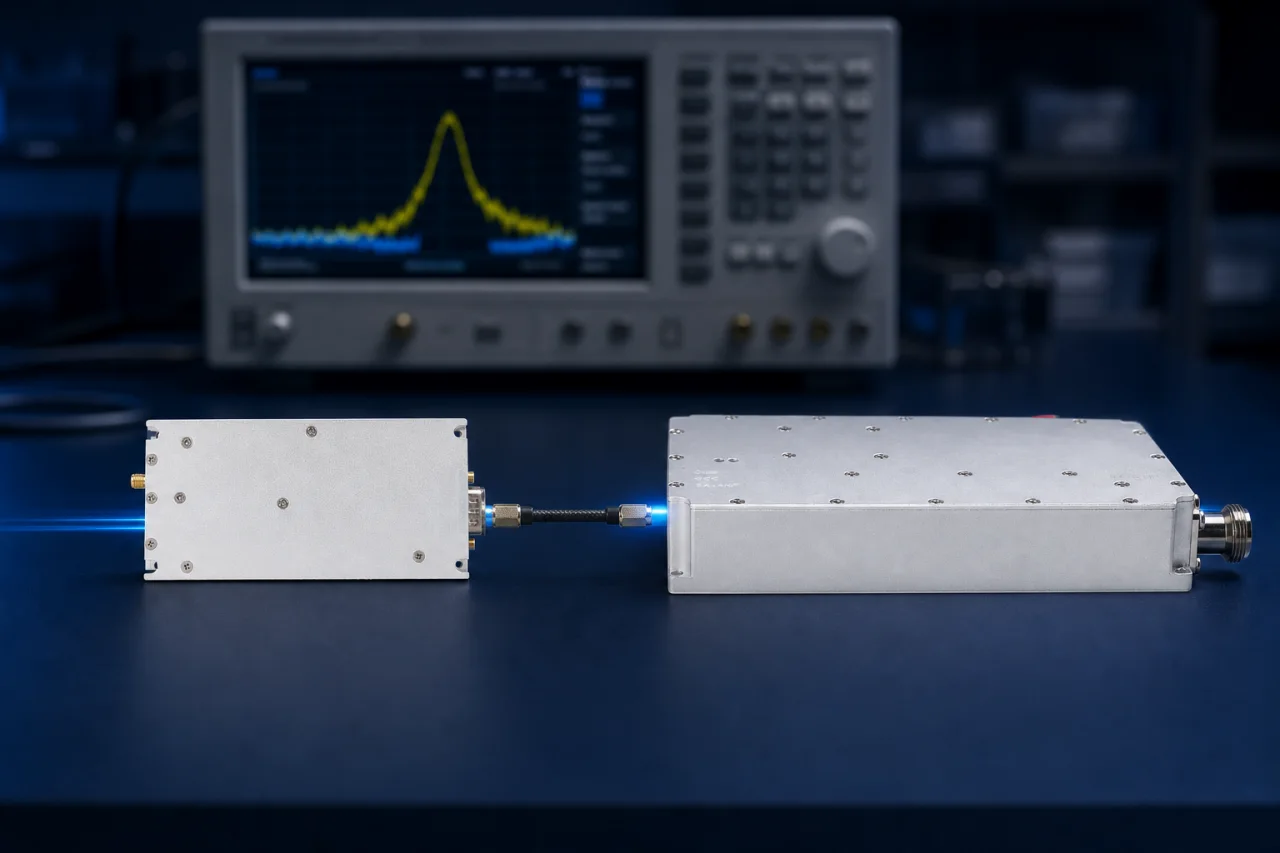
Learn how RF signal source and power amplifier modules work together, which interfaces must match and what OEM buyers should include in a counter-UAV module RFQ.
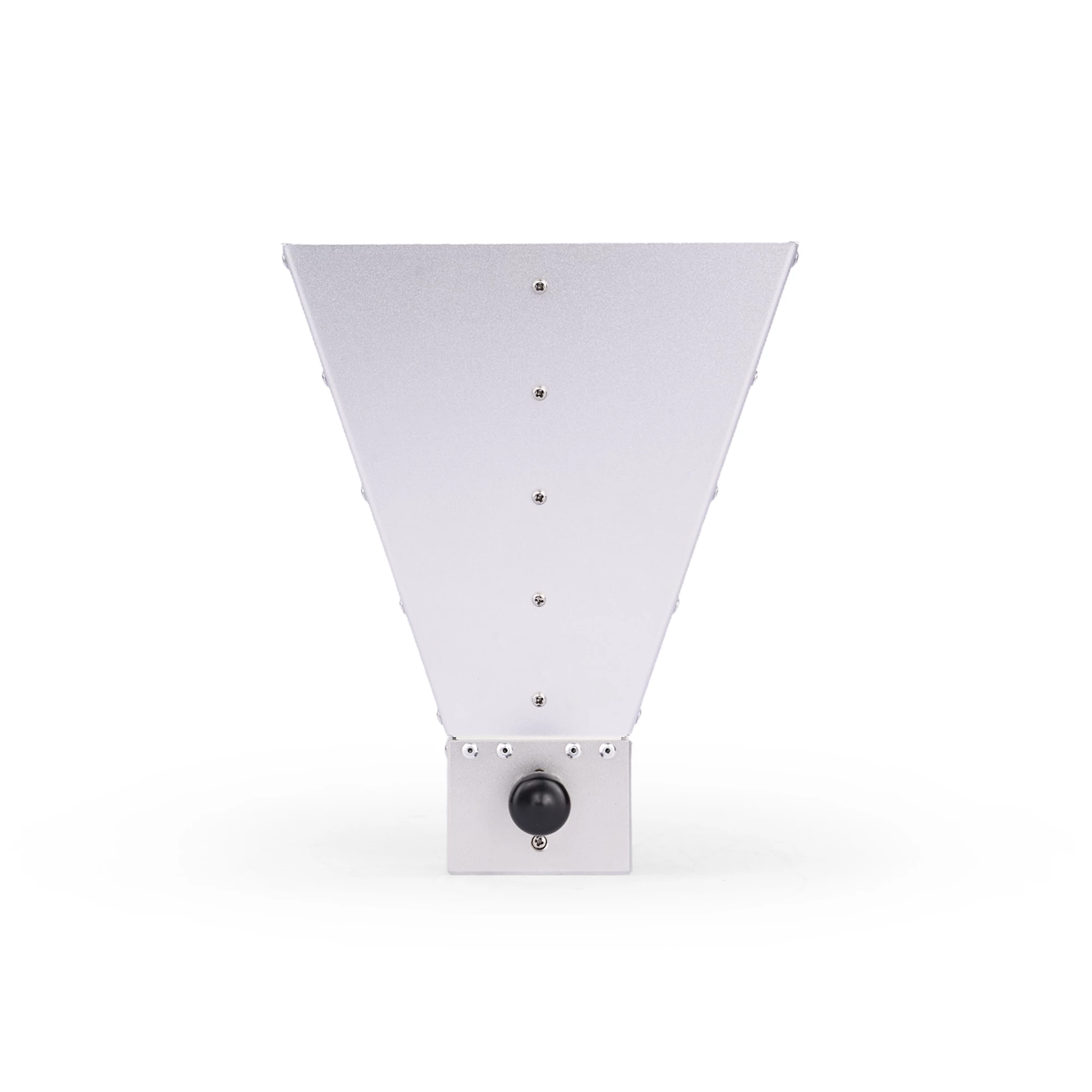
A practical horn antenna buyer guide covering frequency range, gain, beamwidth, VSWR, power handling, connectors, mounting and RFQ acceptance criteria.
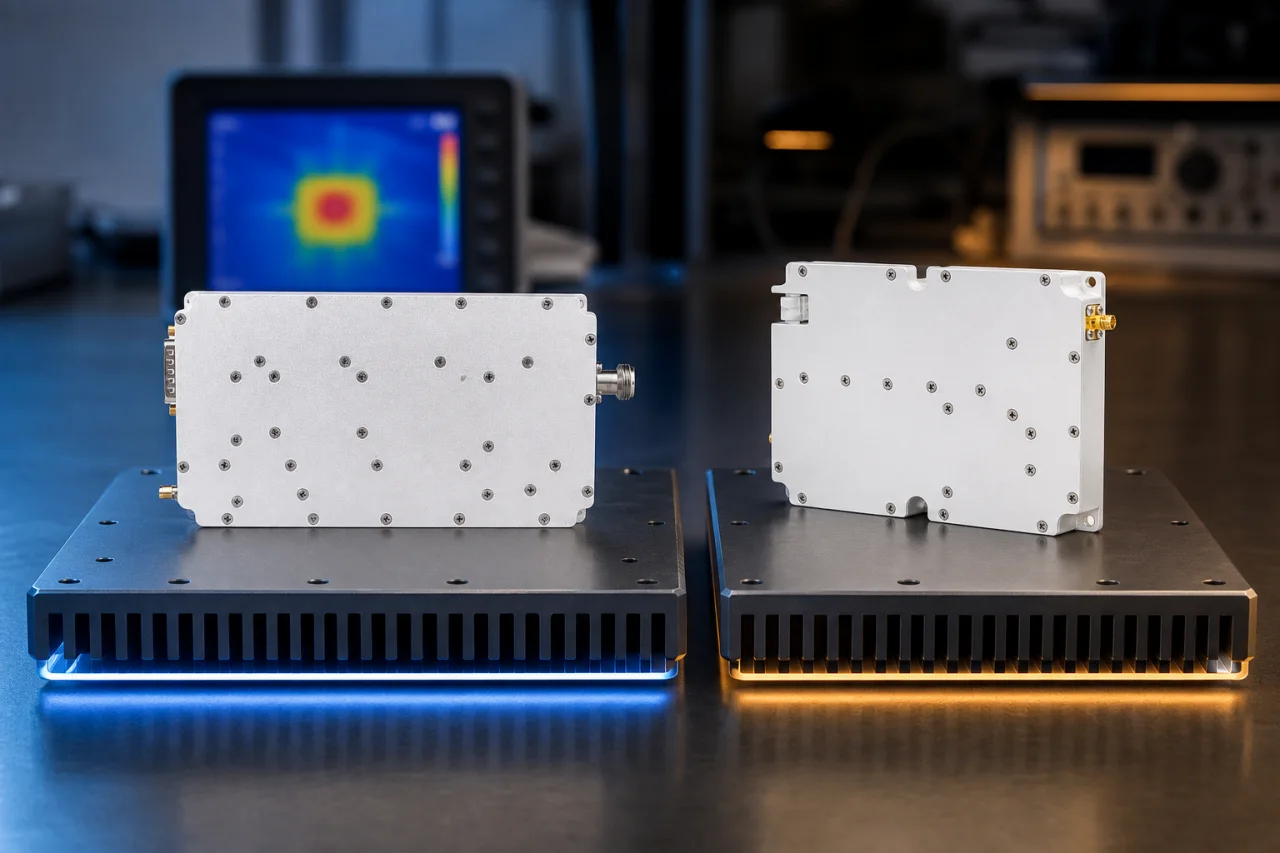
Compare GaN and LDMOS RF power amplifier modules by frequency, bandwidth, power density, efficiency, thermal design, ruggedness, cost and integration risk.
A useful RFQ connects the operating requirement to measurable product evidence. Work through these four steps before comparing quotations.
Document the protected site, target profile, frequency environment, coverage, deployment method and applicable operating rules.
Review sensors, processing, RF source, power amplifier, feeder, antenna, power and control interfaces as one system.
Ask for frequency-dependent data, drawings, environmental limits, sample checks and a defined acceptance method.
Align connectors, mounting, software, documentation, spares, training, warranty and production inspection before ordering.
Open the matching product category after the guide has helped define the required function and evidence.
Compare RF detection, radar and EO/IR equipment for warning, classification and tracking.
View detection equipmentReview portable, backpack, fixed and vehicle-mounted response configurations for permitted operations.
View response equipmentMatch bandwidth, output power, gain, efficiency, control and thermal design to the RF architecture.
Compare RF modulesCompare frequency range, gain, beamwidth, VSWR, power handling, connectors and mounting.
View antennasNo. They explain how to define requirements and evaluate evidence. Confirm final values against the quotation, drawing, test report and approved sample.
Include the site, target or signal profile, required coverage, deployment environment, interfaces, power, quantity, delivery target and acceptance expectations.
Usually not. Frequency response, coverage, signal-chain losses, environmental limits, integration and verification method must be assessed together.
The buyer and operator must confirm applicable import, spectrum, aviation, privacy and operating rules for the intended country and use case.
Share the operating scenario, required frequencies, coverage, deployment conditions, interfaces, quantity and acceptance plan for an engineering review.

Shenzhen Jianhong Industrial Co., Ltd.
Professional low-altitude security and RF technology solution provider, offering integrated detection, monitoring, signal management, RF modules and customized OEM/ODM services.