-20 -40 -60 -80

PROTECT WHAT MATTERS

DRONE DETECTION
SYSTEMS

RF, radar and multi-sensor UAV detection for
early warning, identification and tracking.

Early WarningDetect threats sooner
RF + RadarLayered sensing options
24/7 ReadyContinuous protection

WHY CHOOSE US

01

Flexible Customization

Support frequency bands, output power, appearance, control mode and system integration customization.

02

Professional RF Engineering

Experienced RF design, testing and tuning for stable performance in demanding scenarios.

03

Reliable Manufacturing

Controlled production workflow with testing, aging and quality checks before delivery.

04

Fast Sampling

Efficient technical confirmation, prototype preparation and sample delivery for project validation.

05

Scalable Supply

Support small-batch customization and continuous production for larger deployment plans.

06

After-Sales Support

Remote technical assistance, documentation and maintenance guidance for long-term operation.

CUSTOM SOLUTION PROCESS

01

Requirement Discussion

Application / Frequency / Power / Quantity

02

Technical Solution

Customized Design & Configuration

03

Quotation & Sampling

Fast Costing & Prototype Build

04

Sample Approval

Testing & Performance Verification

05

Mass Production Order

Confirm Specs & Production Plan

06

Production & Delivery

Quality Control & On-Time Shipment

Need a Detection Solution for Your Site?

Speak with our experts and get a solution tailored to your mission.

Contact Us
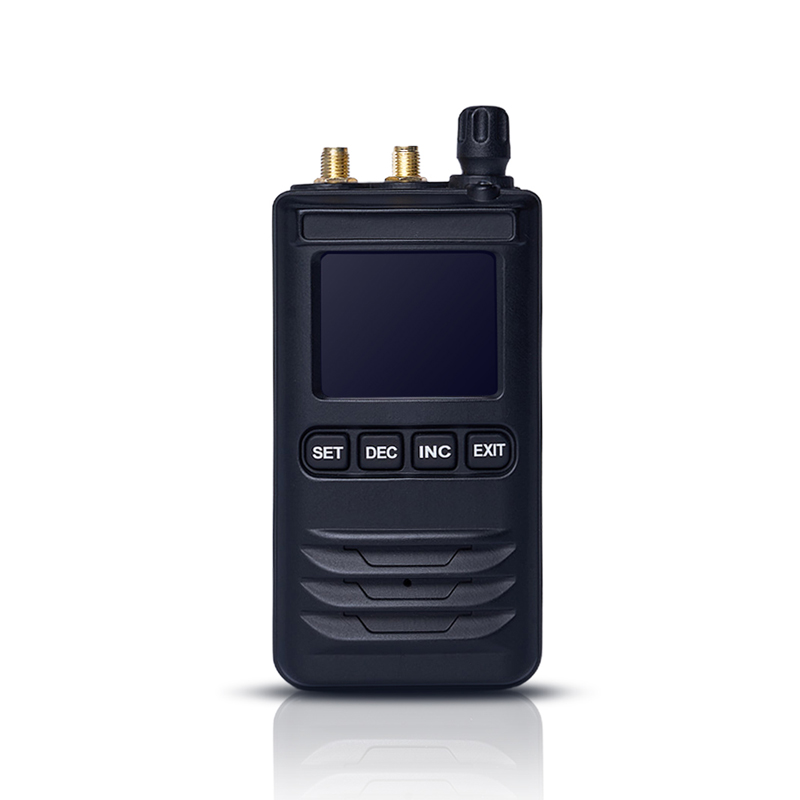
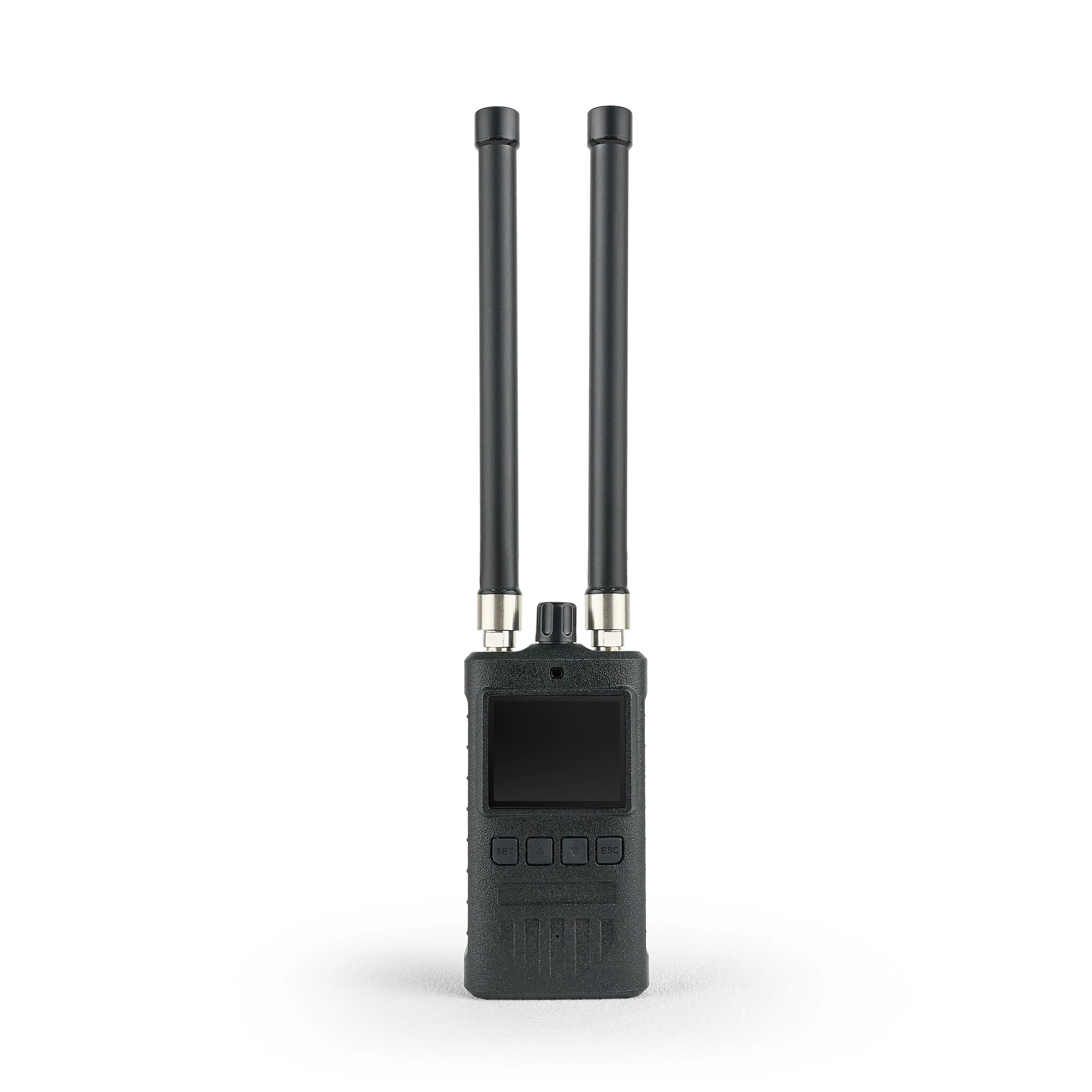
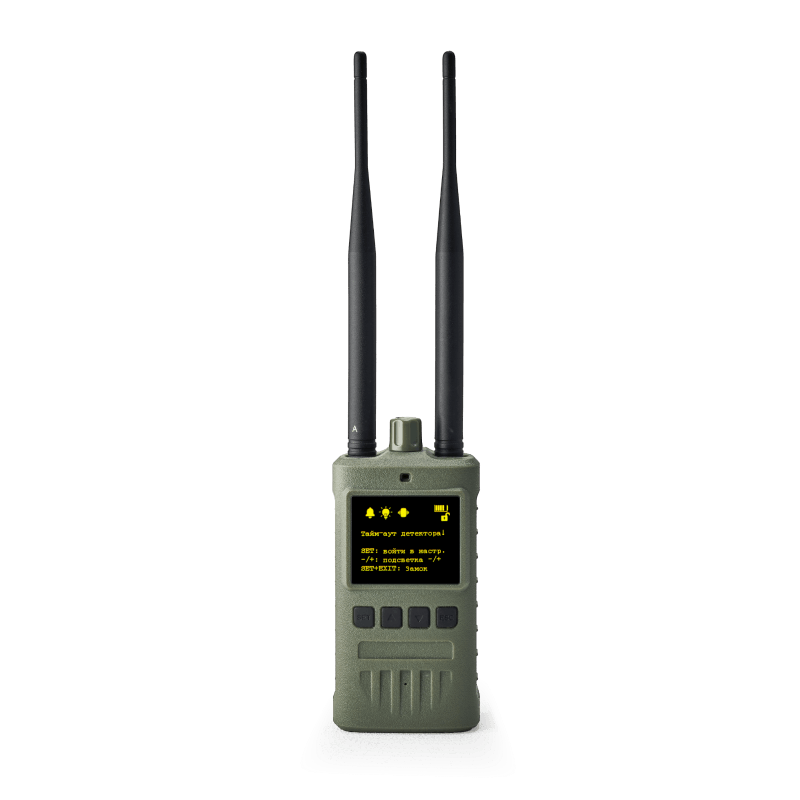
JH-N2

Portable UAV
Detection Device

Fast, Mobile Drone Signal Detection for Field Security Operations

Designed for portable drone detection applications, the JH-N2 supports a wide detection frequency range of 300MHz-6000MHz and helps security teams quickly identify mainstream consumer drones and FPV targets. Its handheld design, compact body, and removable battery make it ideal for mobile patrol, event security, perimeter protection, and rapid-response deployment.

Detection Frequency: 300MHz-6000MHz
Working Time: 8-12 Hours
Detection Range: 0.8-2 km
Audio & Vibration Alarm
Portable Handheld Design
USB Type-C / Dock Charging
Removable Battery
High Sensitivity
Multiple Spare Batteries for Extended Operation
Low False Alarm Rate
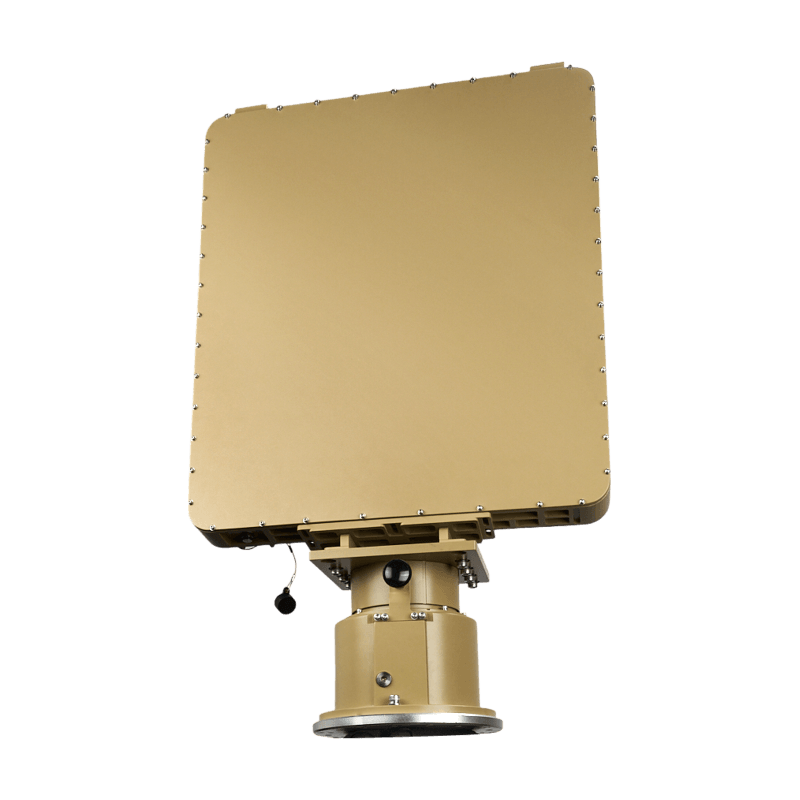
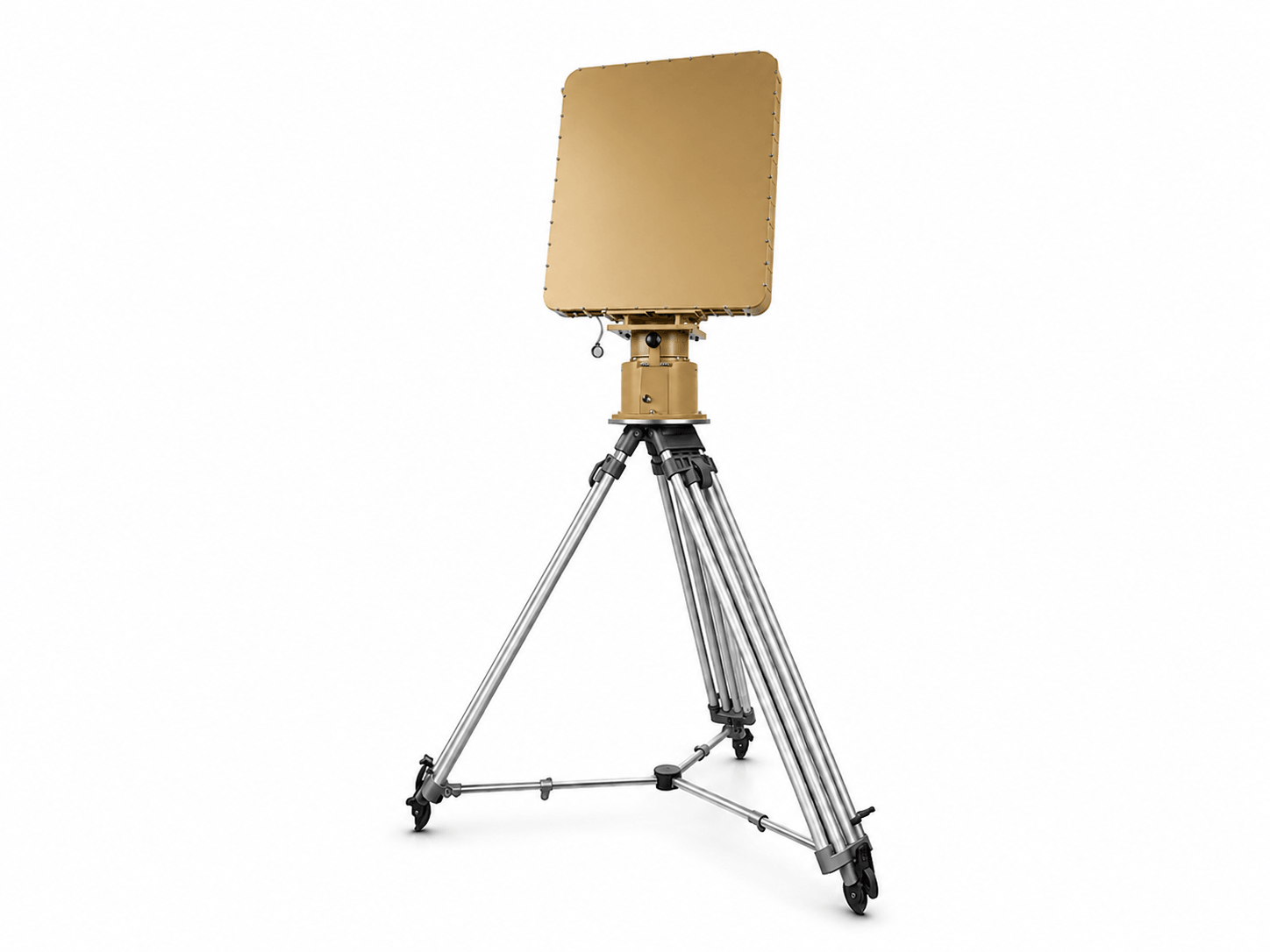
BWR-T10

Low-Altitude Surveillance
Radar

Long-Range Drone Detection for 24/7 Fixed-Site Monitoring

Designed for low-altitude airspace surveillance, the BWR-T10 radar is used to detect aerial targets and quickly determine whether drones are present. It supports stable long-range monitoring for low-altitude security applications, providing reliable detection of drones and other airborne objects. With fixed-site installation, 7x24 continuous operation, and strong anti-interference capability, it is ideal for airports, industrial zones, border areas, coastal security, and other critical infrastructure sites.

Detection Range: 5-10 km
Fixed Installation
7x24 Continuous Operation
360 Degree Coverage
Tracks 200+ Targets
X-Band Radar
Detection Height: up to 1000 m
Low False Alarm / High Sensitivity
IP66 Protection
Ethernet Communication

Drone Detection System Manufacturer

Drone Detection Systems for Early Warning and Airspace Awareness

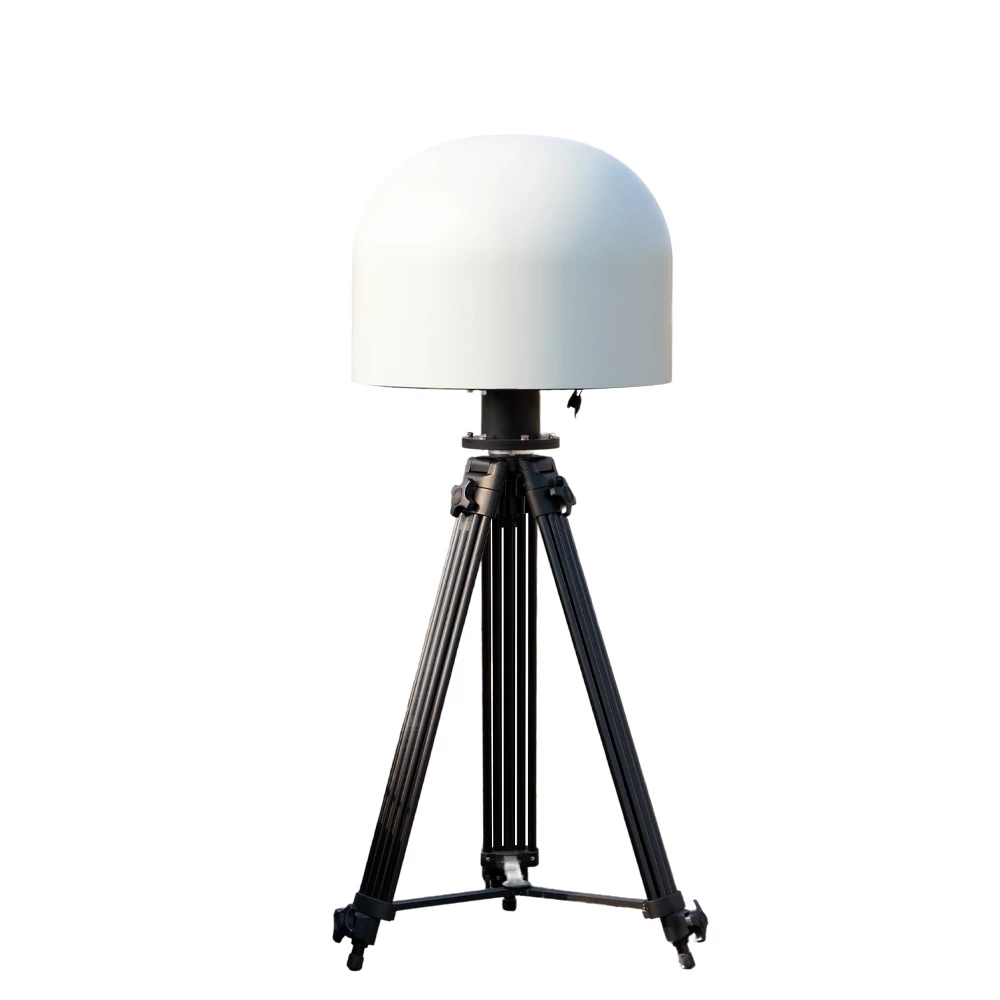
JianHong supplies RF drone detectors, counter-UAS radar and multi-sensor detection systems for fixed-site and portable security projects. These systems help security teams detect, identify and track low-altitude drone activity before deciding on an authorized response.

A suitable UAV detection system depends on the target types, surrounding RF conditions, terrain, line of sight, coverage area and required integration. RF sensing, radar and EO/IR each solve a different part of the detection problem and can be combined for layered awareness.

View selection guide How to Choose a Drone Detection System Start with the threat and site conditions, then select the sensing method and deployment architecture.

How to Choose a Drone Detection System

Start with the threat and site conditions, then select the sensing method and deployment architecture.

RF Drone Detection

Passive RF sensing can identify supported control or video links and may provide drone or pilot-direction information without transmitting a signal.

Counter-UAS Radar

Radar can detect non-cooperative moving targets and support wide-area surveillance when RF-only detection is insufficient.

EO/IR Verification

Daylight and thermal cameras help operators visually confirm and track an alarm generated by RF or radar sensors.

Integrated Detection

Sensor fusion combines alerts, tracks and evidence in one interface for a clearer operating picture and faster decisions.

Compare Drone Detection Systems Before Requesting a Quote

Start with what the site must observe, then compare deployment, integration and environmental limits. A single maximum-range figure is not enough to select a reliable system.

Detection option Best fit Confirm before quotation Capability boundary
Portable RF detector Review option Patrols, events and temporary early-warning coverage. Supported frequency bands, target library, alert mode, battery life and carrying method. Detects supported RF emissions or signatures; RF-silent targets and practical range depend on the environment.
Fixed RF detection & direction finding Review option Continuous site monitoring with direction or location workflows. Spectrum coverage, direction-finding method, antenna height, networking, API and storage. Unknown or non-transmitting targets may require radar or EO/IR as another sensing layer.
Low-altitude surveillance radar Review option Physical target detection and tracking across open or controlled areas. Target assumptions, coverage geometry, clutter, track capacity, installation and weather limits. Classification and visual confirmation may still require EO/IR or sensor fusion.
Multi-sensor detection system Review option Critical sites that need fewer single-sensor blind spots and a coordinated operator view. Sensor mix, data fusion, C2 interfaces, alarm workflow, evidence retention and commissioning. Performance depends on site design, integration and validation rather than combining hardware alone.

RF Detection Equipment Setup and Operator Verification

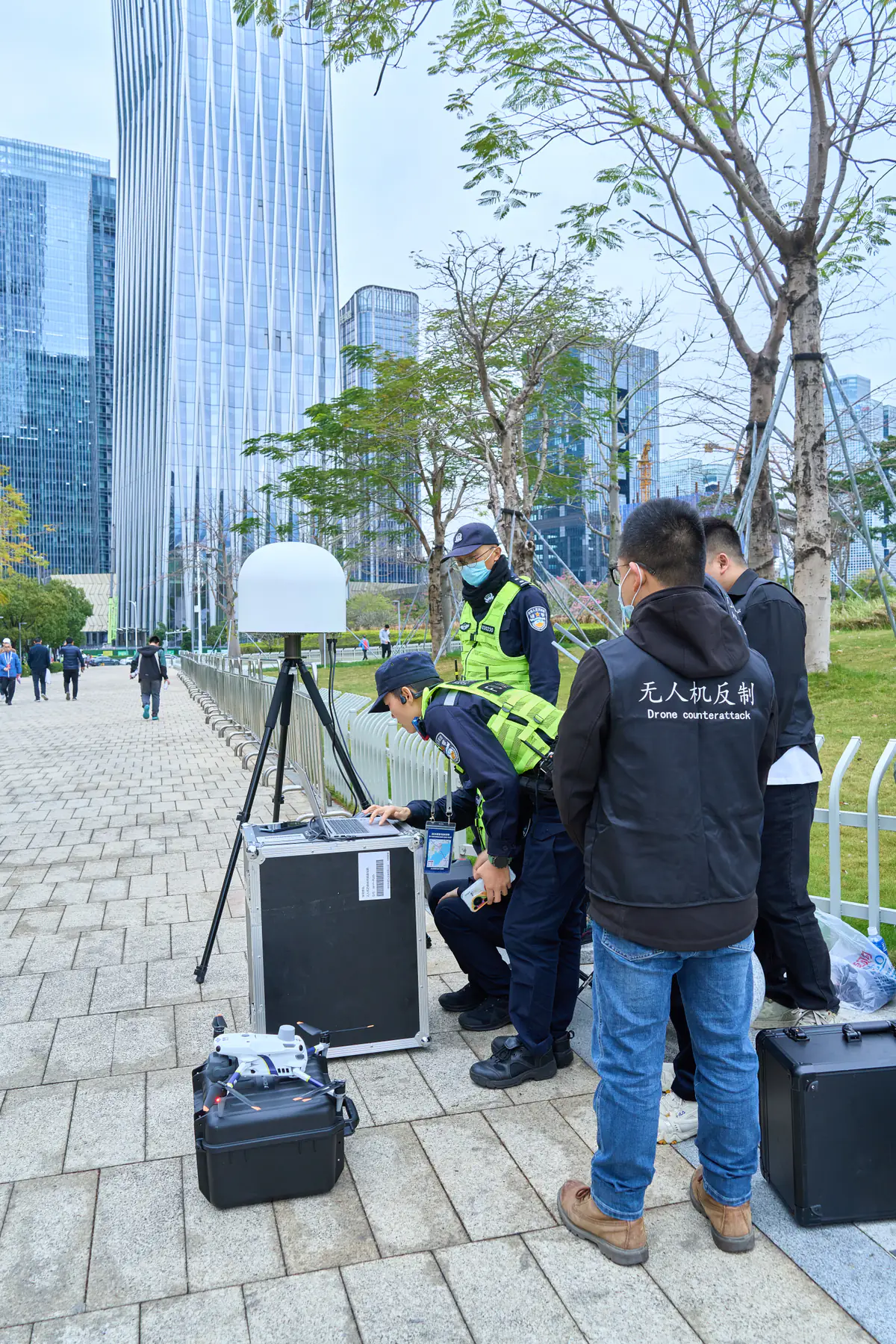
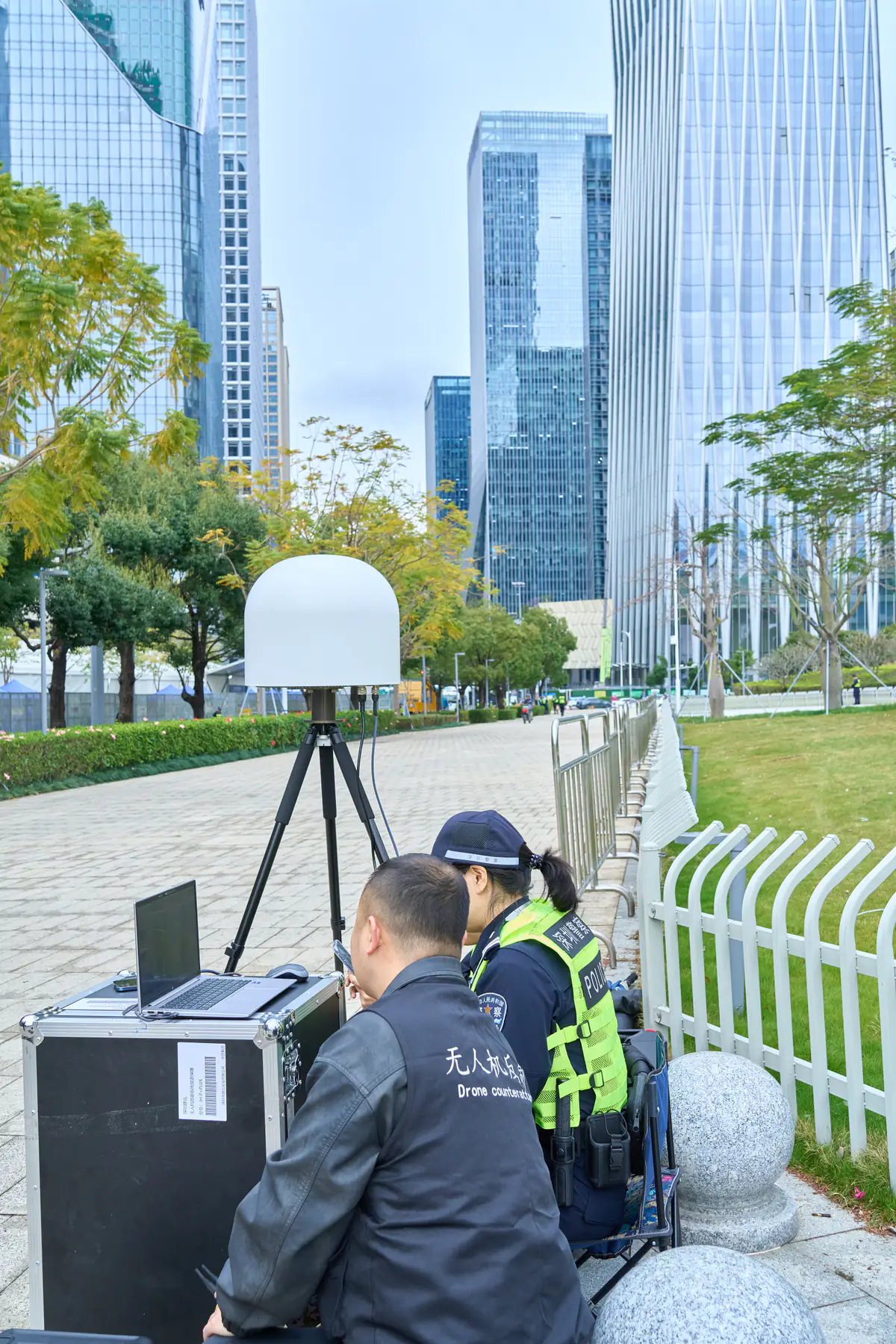
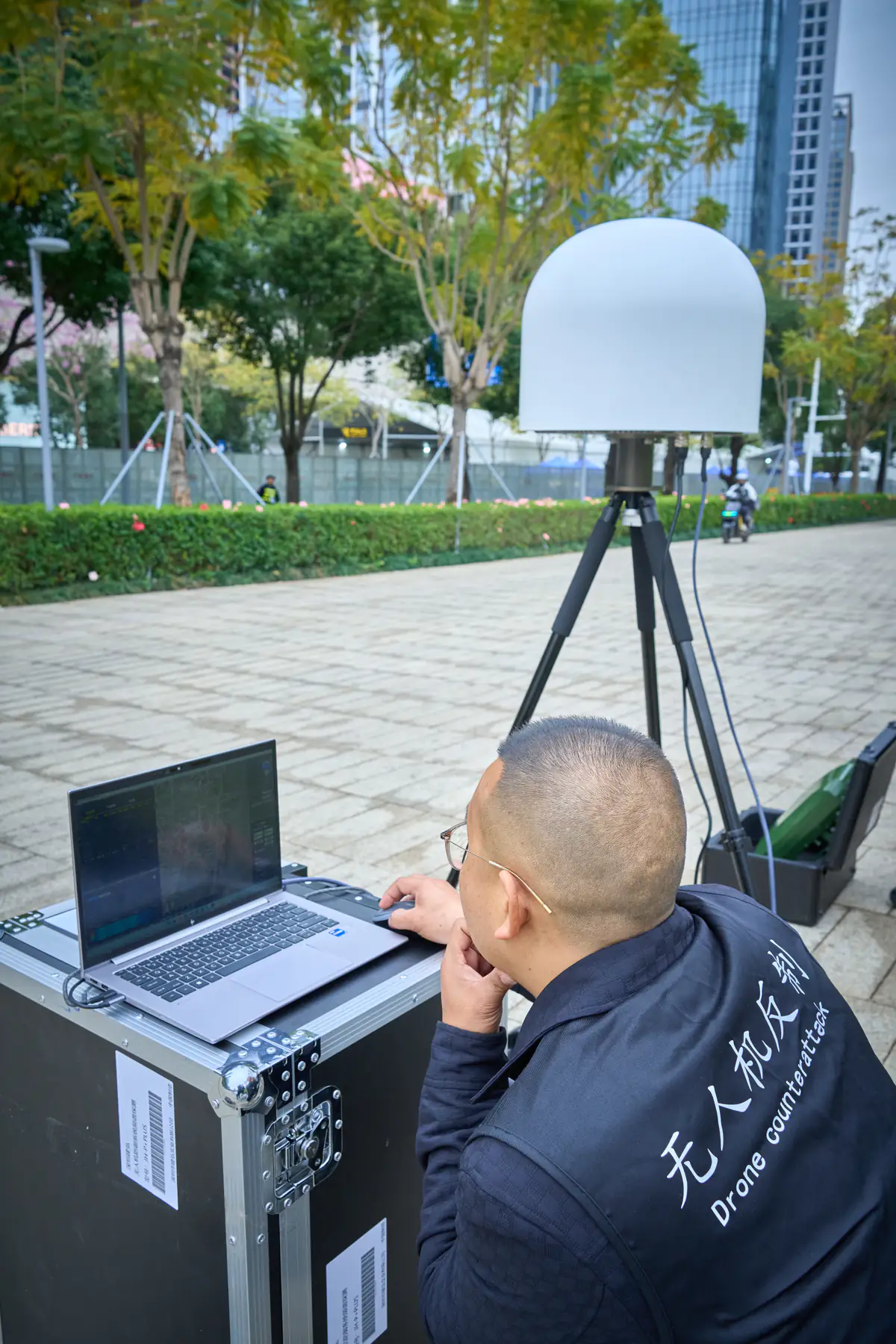
These project photographs document outdoor RF detection equipment setup, equipment connection and operator-side functional checks. They do not establish a universal detection range; target type, RF environment, antenna placement, terrain and acceptance conditions must be confirmed for each site.

JianHong technician and field personnel commissioning a counter-drone sensor

Joint system commissioning

Field personnel and a JianHong technician coordinate sensor placement, connections and initial checks.

JianHong technician checking a deployed counter-drone sensor

Field sensor setup

A technician reviews the installation and operating setup beside the deployed sensor.

Operator verifying a counter-drone sensor interface on site

Operator interface verification

On-site review of the sensor feed and operator interface during functional checking.

Anti-Drone Equipment FAQs

Which drone detection technology should I choose?

RF detection is useful for supported control and video links, radar can detect non-cooperative moving targets, and EO/IR supports visual confirmation. High-security sites often use two or more sensor types to reduce blind spots.

Can an RF drone detector detect autonomous drones?

RF-only detection may not identify a drone that is not transmitting a supported radio link. Radar and EO/IR can complement RF sensing when autonomous, pre-programmed or unfamiliar targets are part of the threat profile.

What affects drone detection range?

Range varies with drone type, signal activity, antenna height, terrain, buildings, electromagnetic noise, weather, line of sight and sensor configuration. A site assessment is more reliable than a single maximum-range figure.

Can the detection system connect to existing security software?

Integration may be possible through project-specific APIs, alarm outputs, network interfaces or command platforms. Share the existing system architecture and required data flow during technical evaluation.

What should I send for a detection system proposal?

Send the site type, protected area, expected drone targets, preferred detection range, fixed or portable requirement, available installation points, integration needs, quantity and destination country.

Plan a Drone Detection Project

Tell us the site, coverage area, target types and integration needs. We will help compare RF, radar and multi-sensor options.