




Threat and Target Profile
List expected drone types, control links, flight behavior and whether non-cooperative or autonomous targets are in scope.
From Concept to Delivery · Fast & Reliable Manufacturing

Application · Frequency
Power · Quantity

Customized Design
& Configuration

Fast Costing
& Prototype Build

Testing & Performance
Verification
Confirm Specs
& Production Plan
Quality Control
& On-Time Shipment
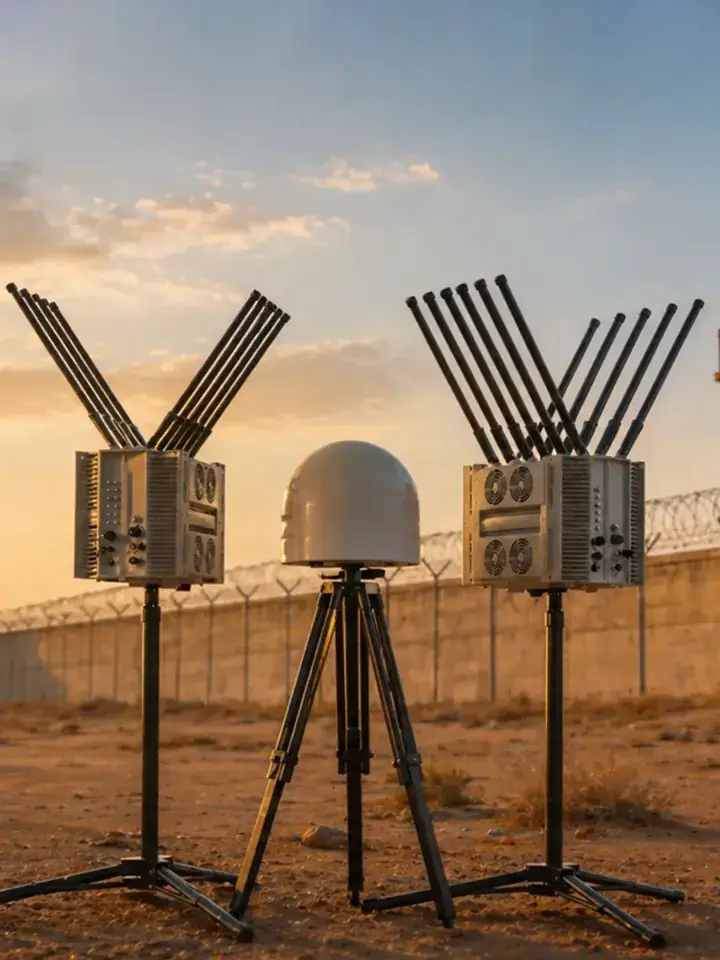
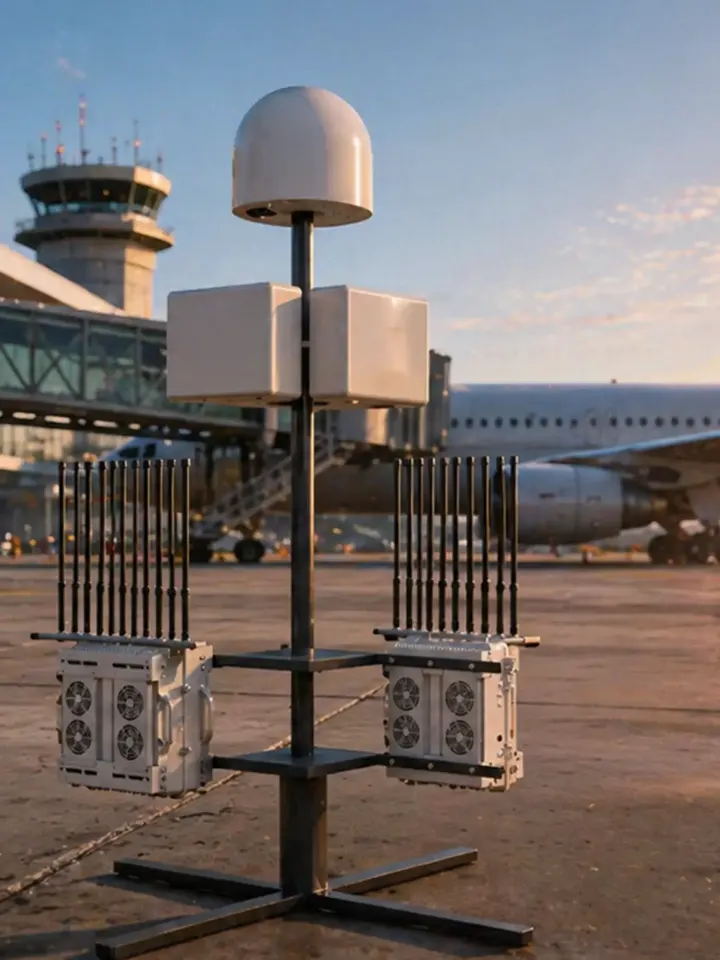
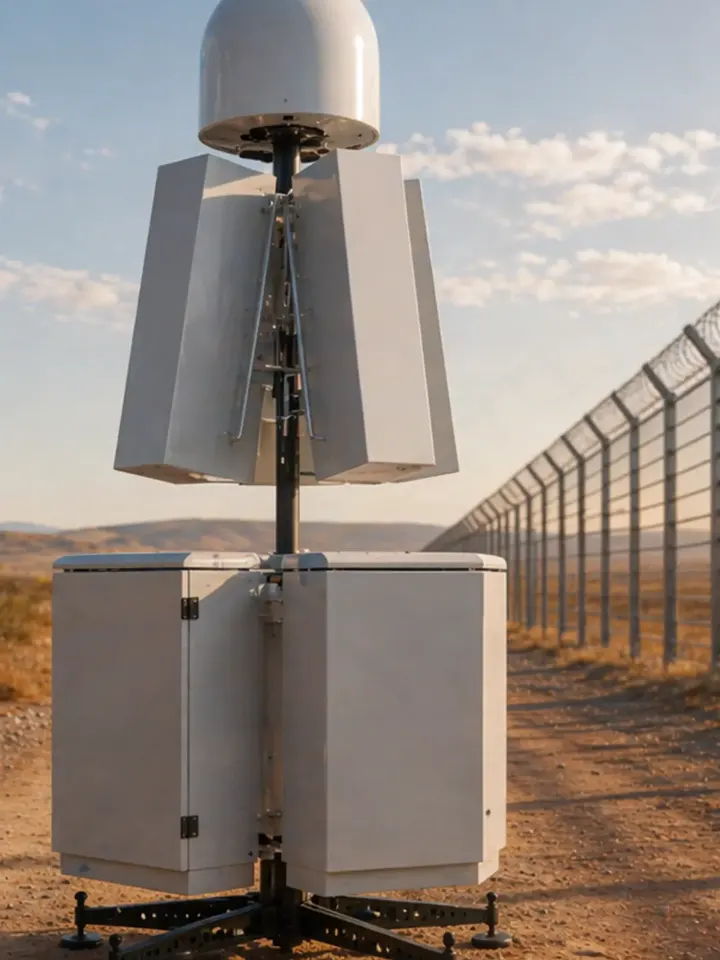
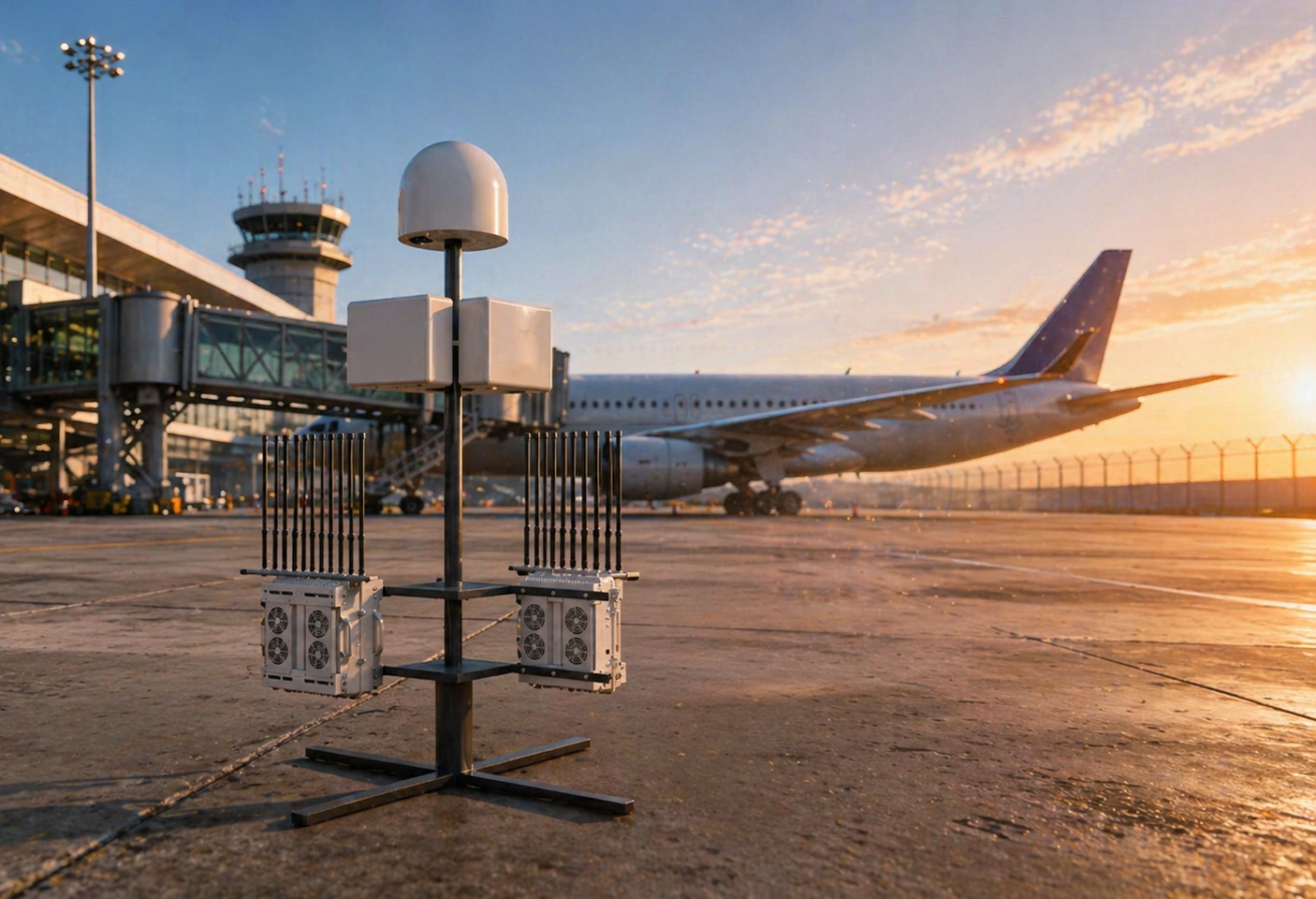
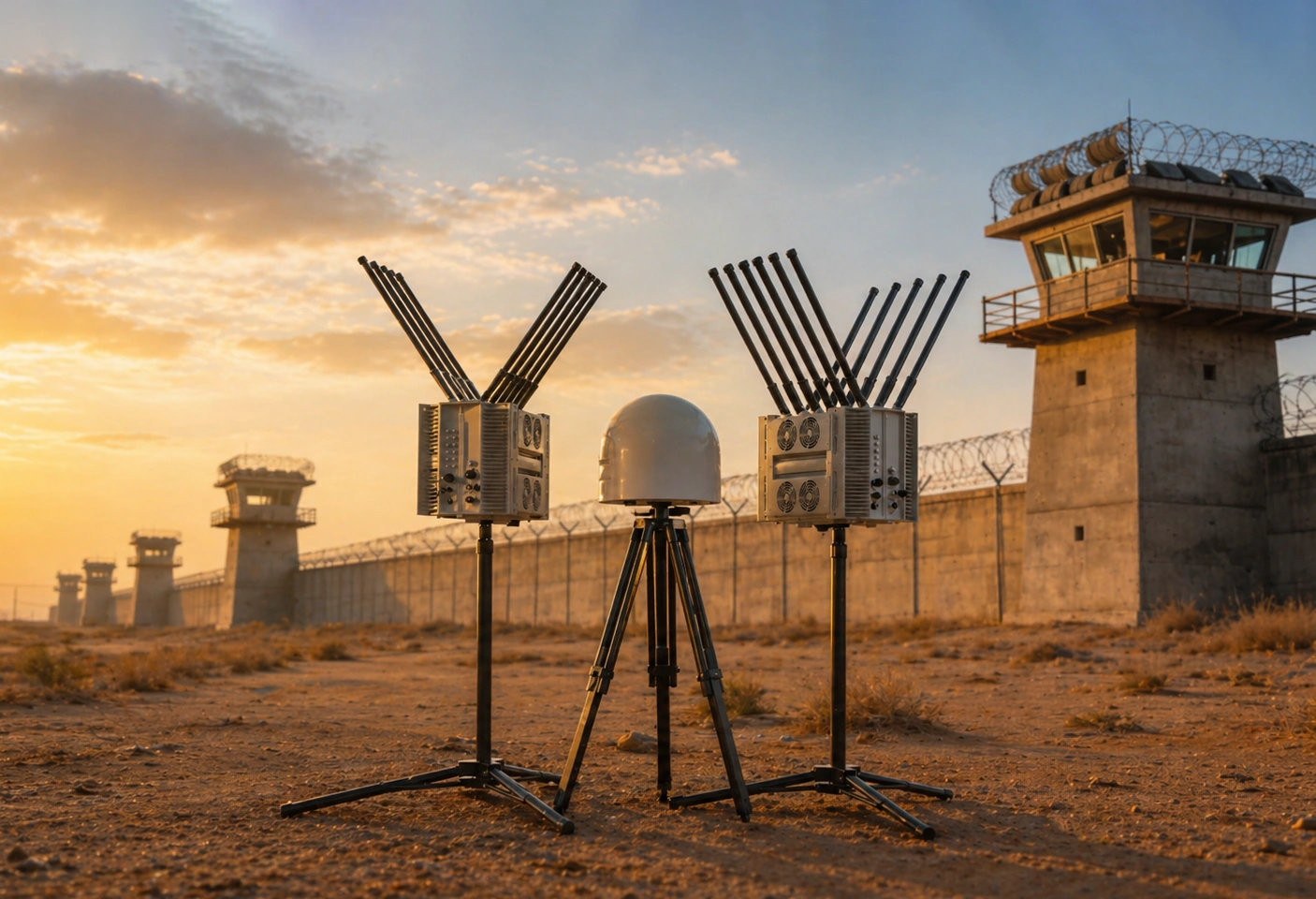
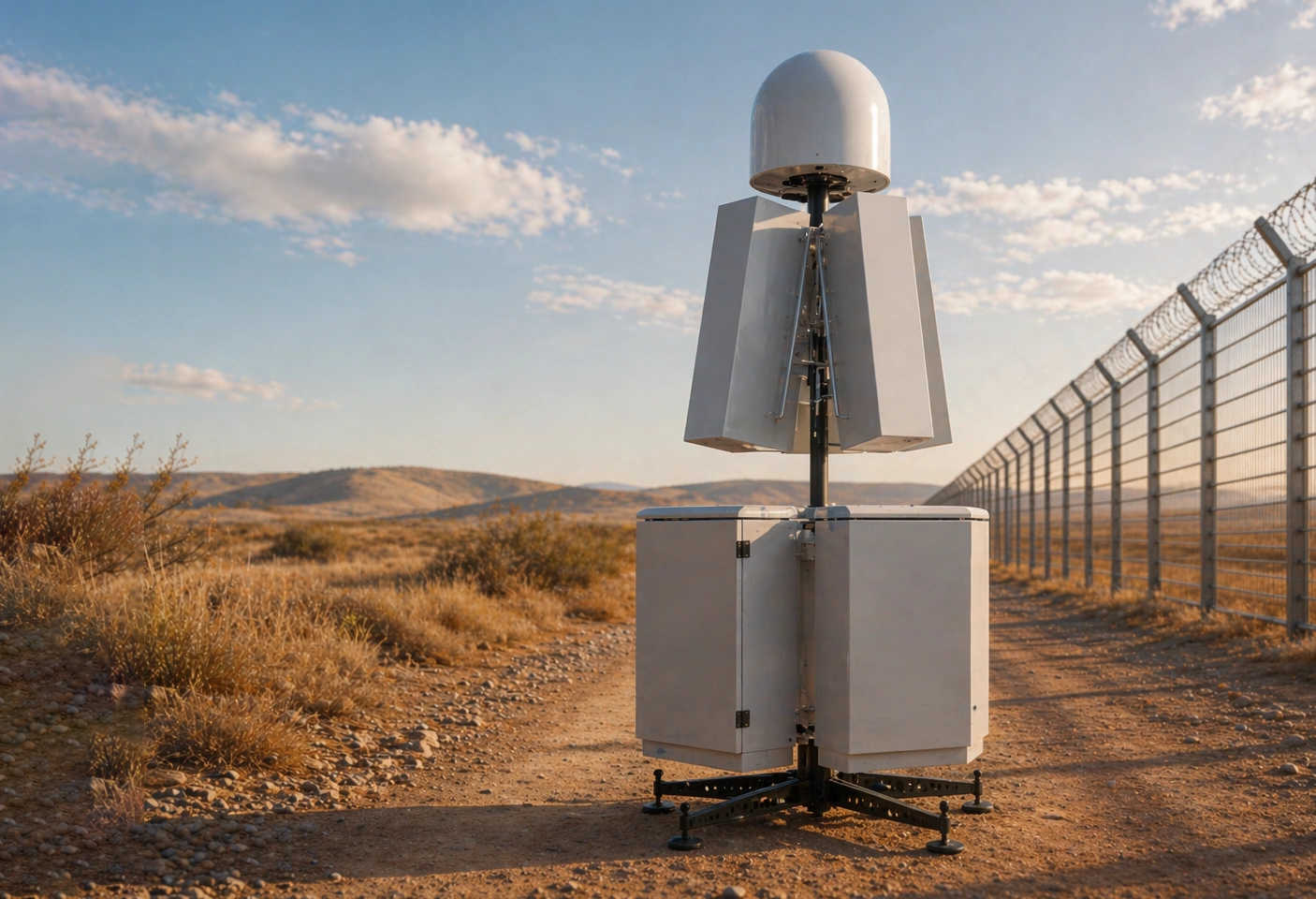
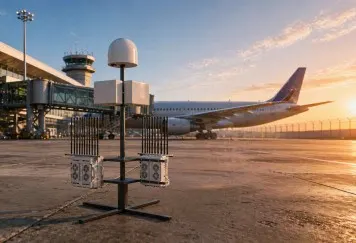
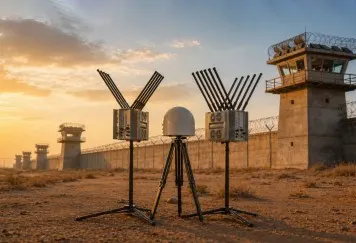
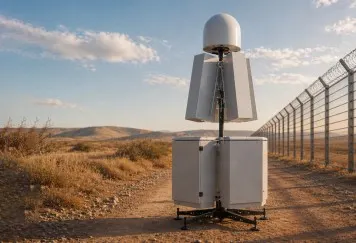
Find counter-UAV configurations for airports, prisons, borders, oil and gas facilities, and public event security.
Counter-UAS Manufacturer & OEM Partner
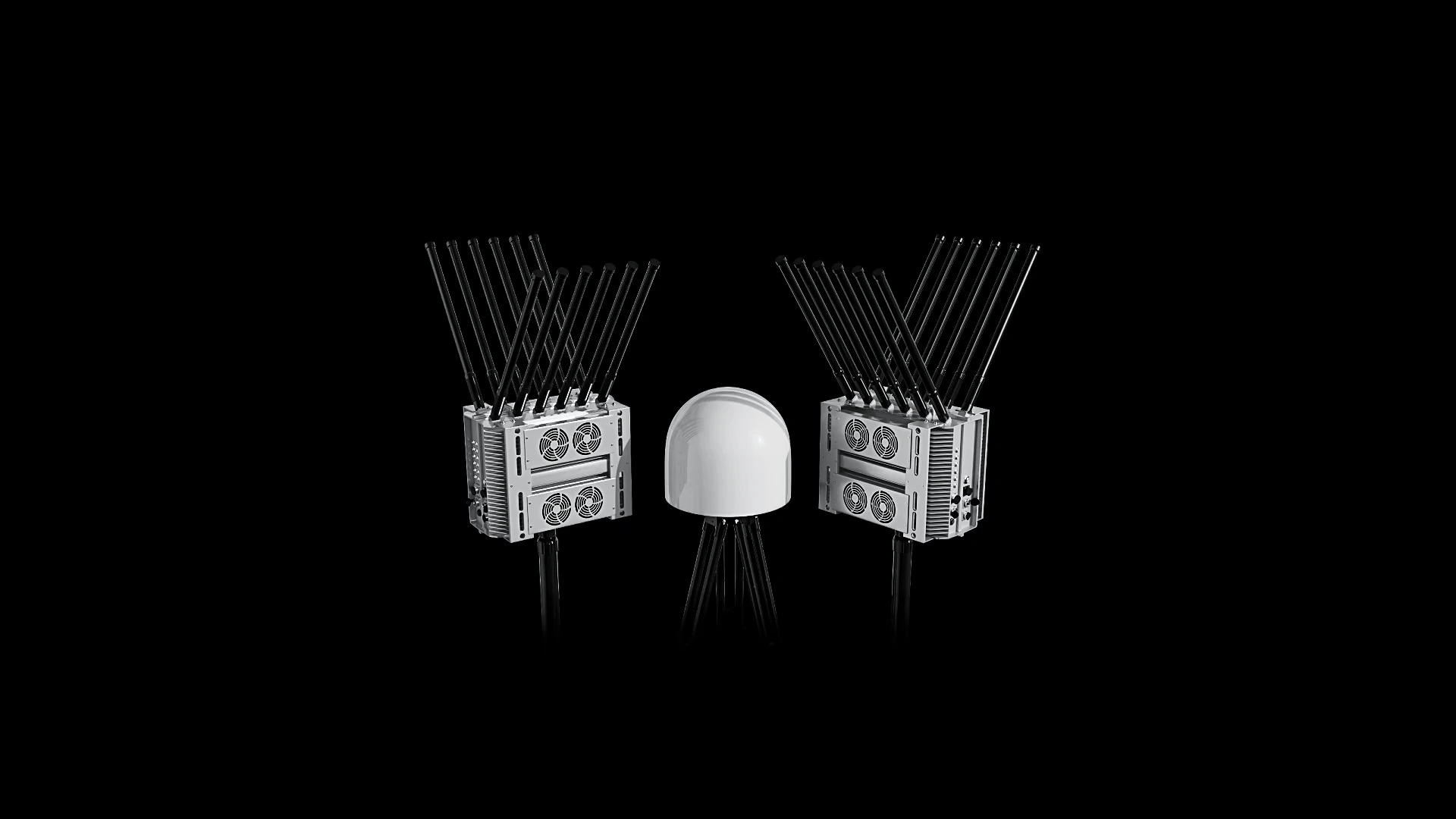
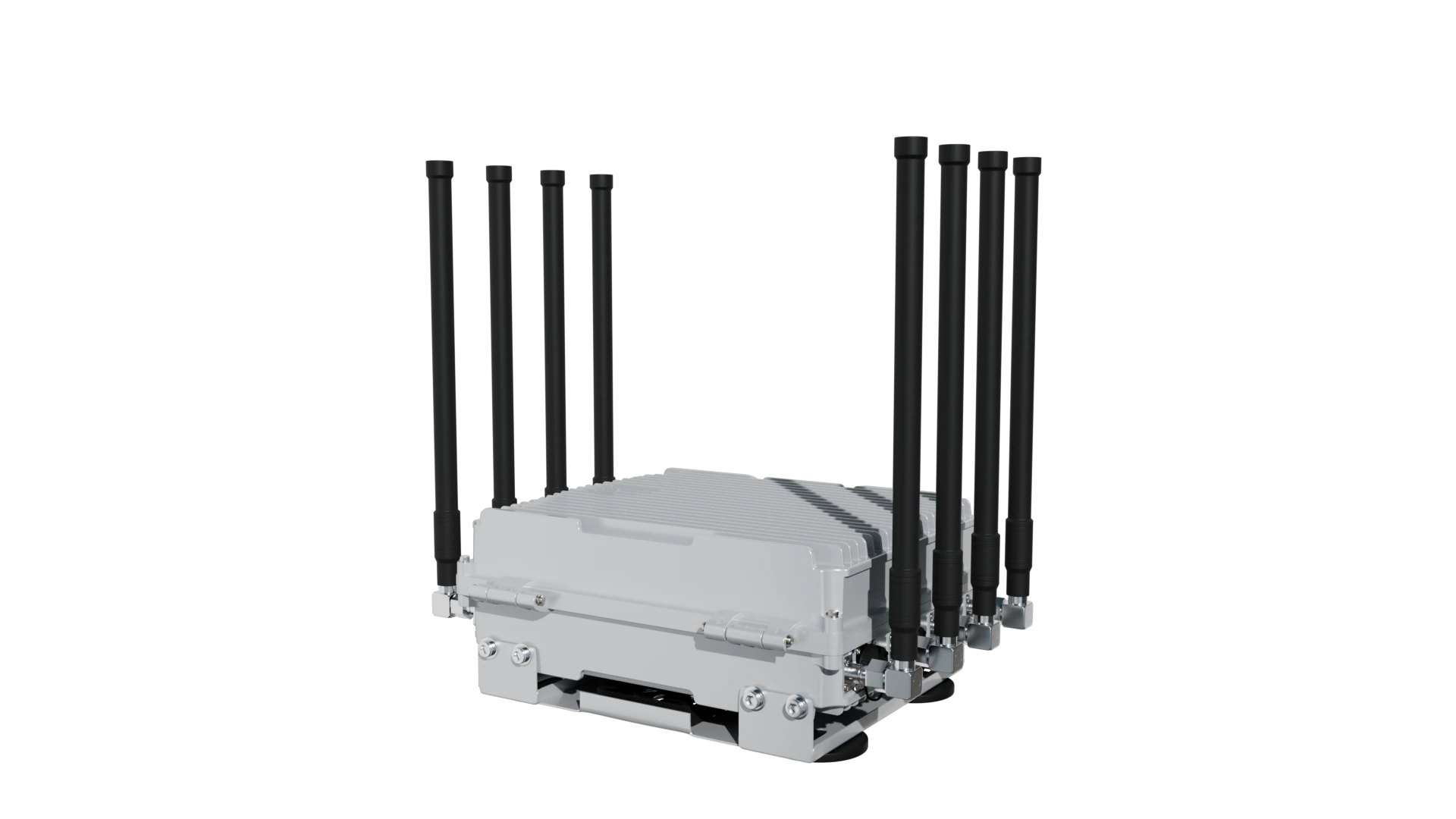
JianHong supplies drone detection, authorized response, integrated counter-UAS systems and RF modules for professional security, OEM and system integration projects.
Define the operating requirement first, then compare individual specifications and system interfaces.
List expected drone types, control links, flight behavior and whether non-cooperative or autonomous targets are in scope.
Document the protected area, terrain, line of sight, surrounding RF environment and required warning or response range.
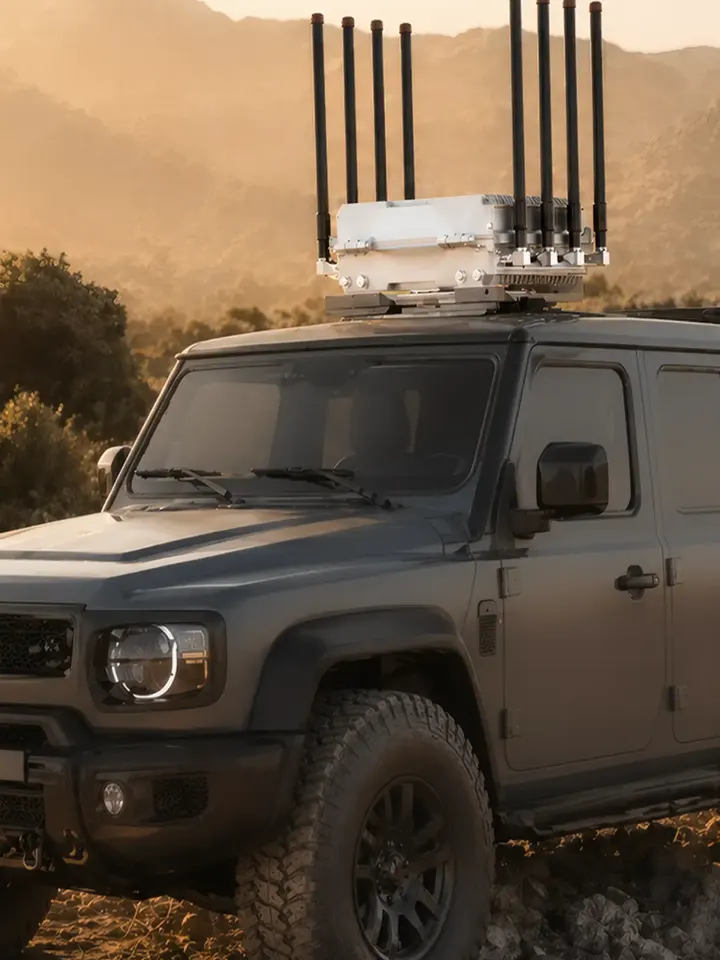
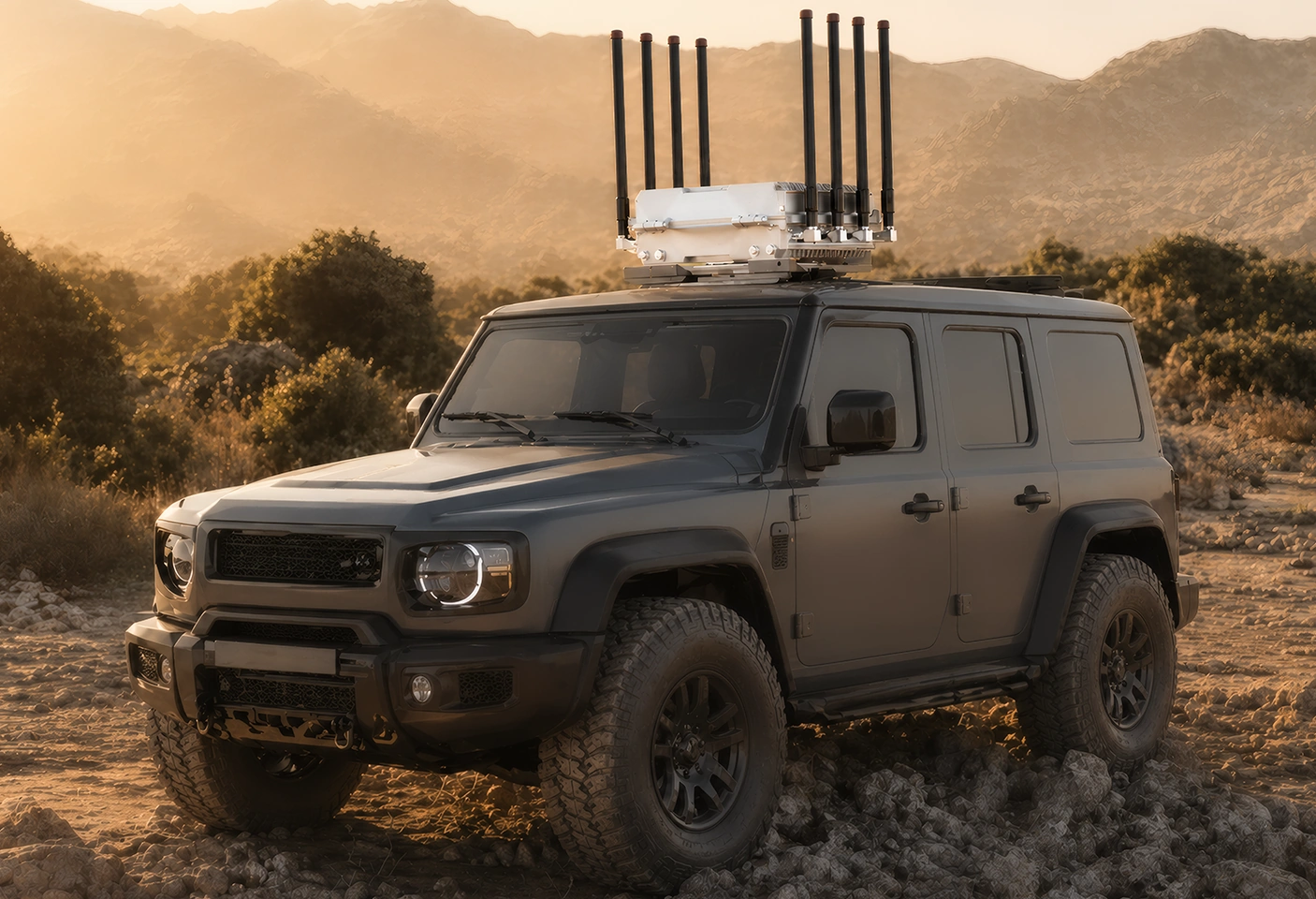
Choose portable, backpack, vehicle-mounted or fixed equipment according to the operating team and mission duration.
Confirm software, interface, antenna and power requirements, plus local import, spectrum and operating permissions.
Buyer Questions
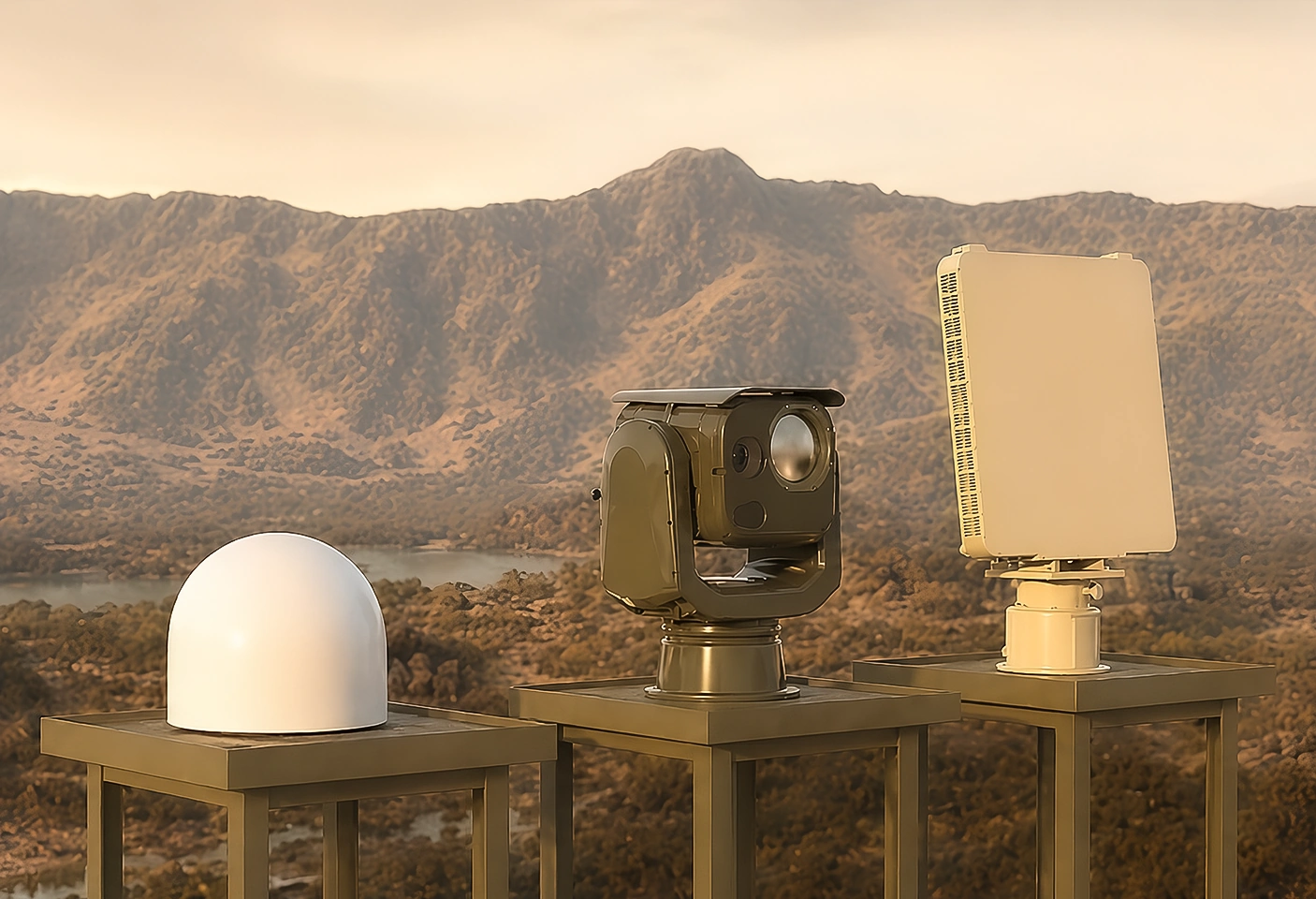
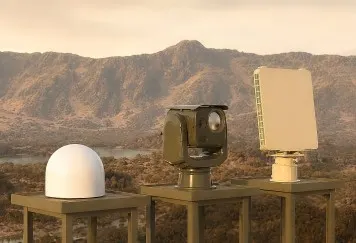
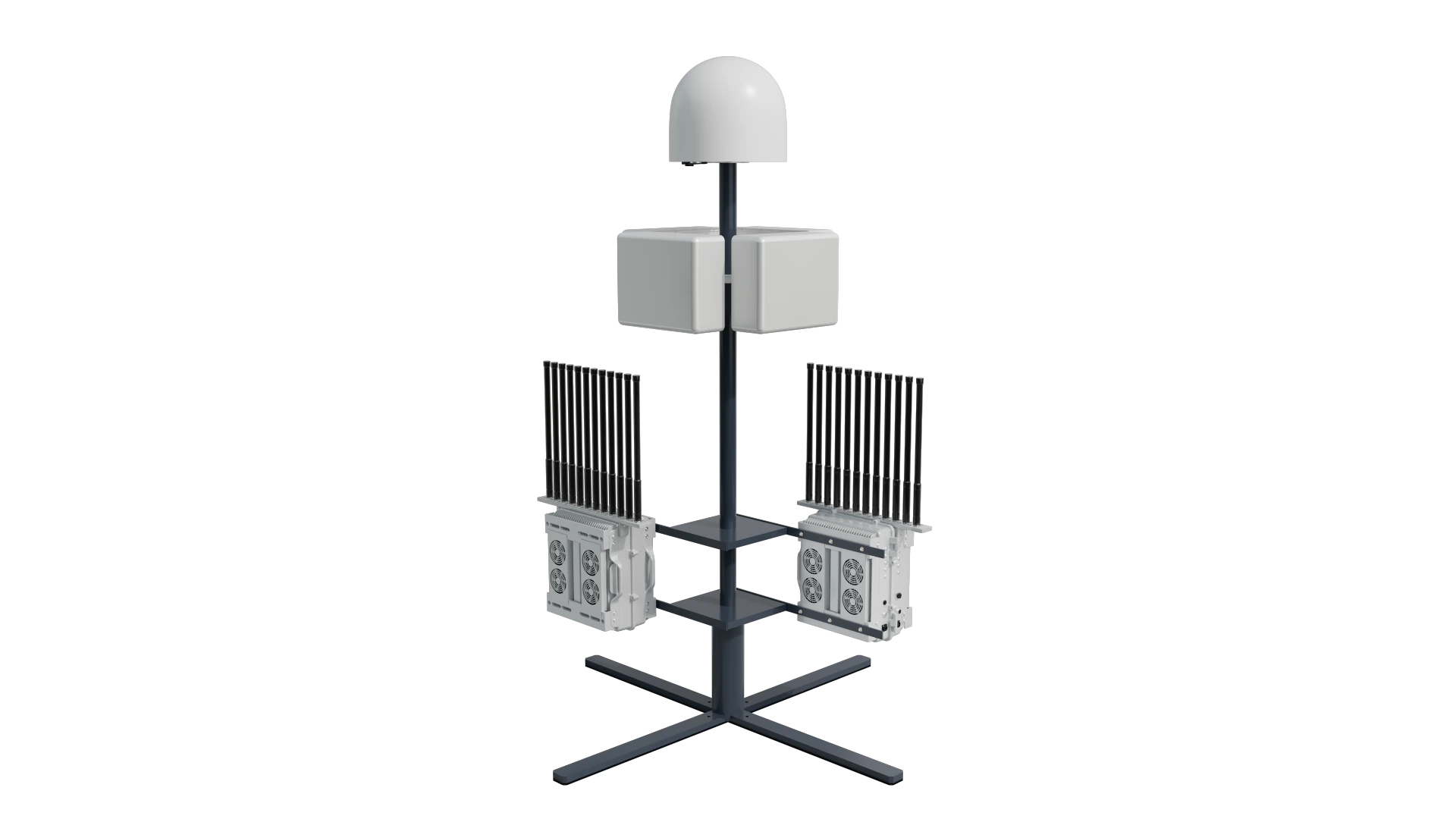
A project may include RF detection, radar, EO/IR verification, command software, antennas and an authorized response device. The combination depends on targets, protected area, workflow and local regulations.
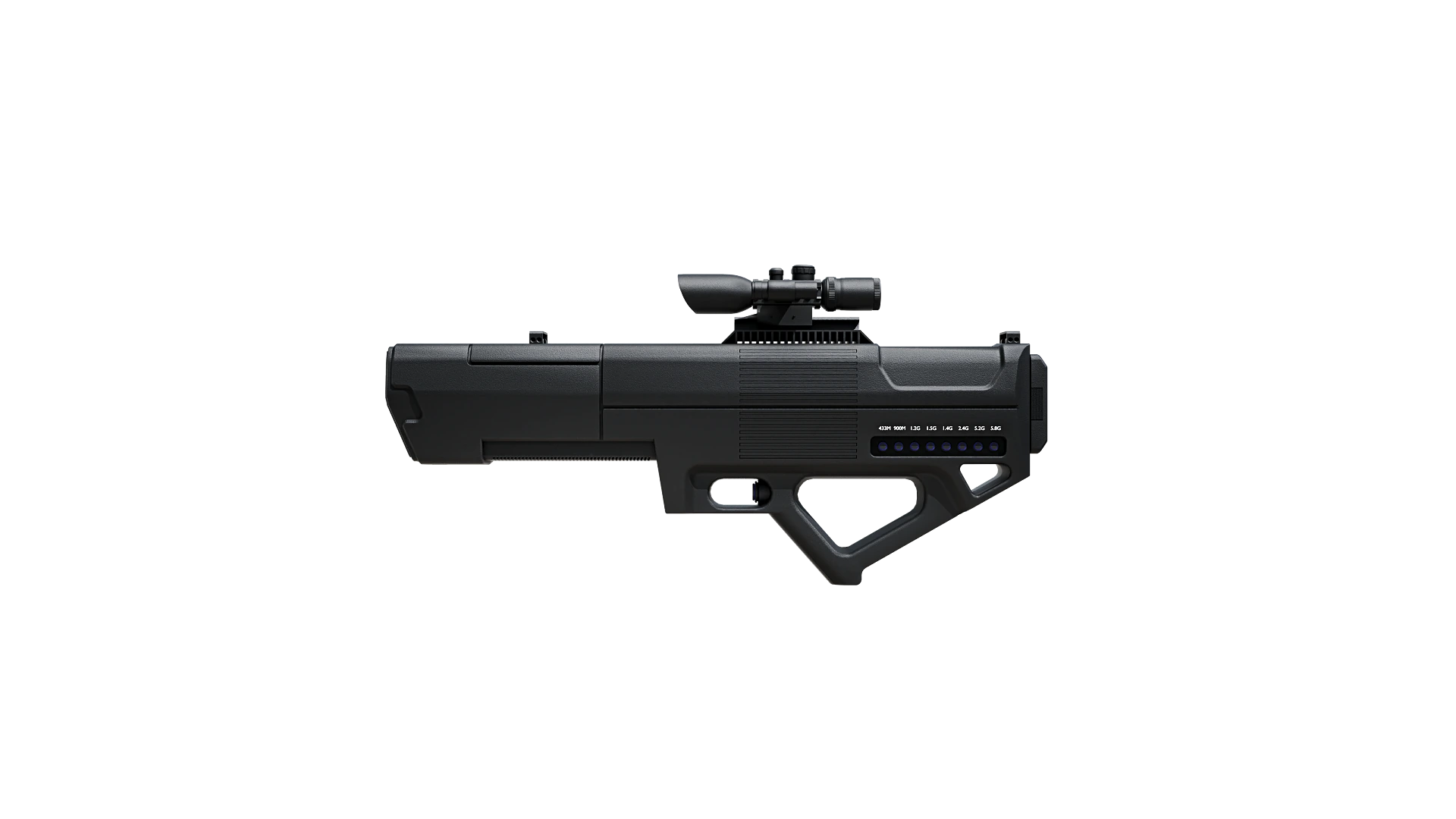
Detection equipment provides awareness, identification or tracking. A jammer is a response device that may require specific authorization. Many projects start with detection and add an approved response layer after operational and regulatory review.
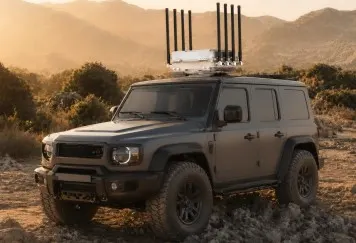
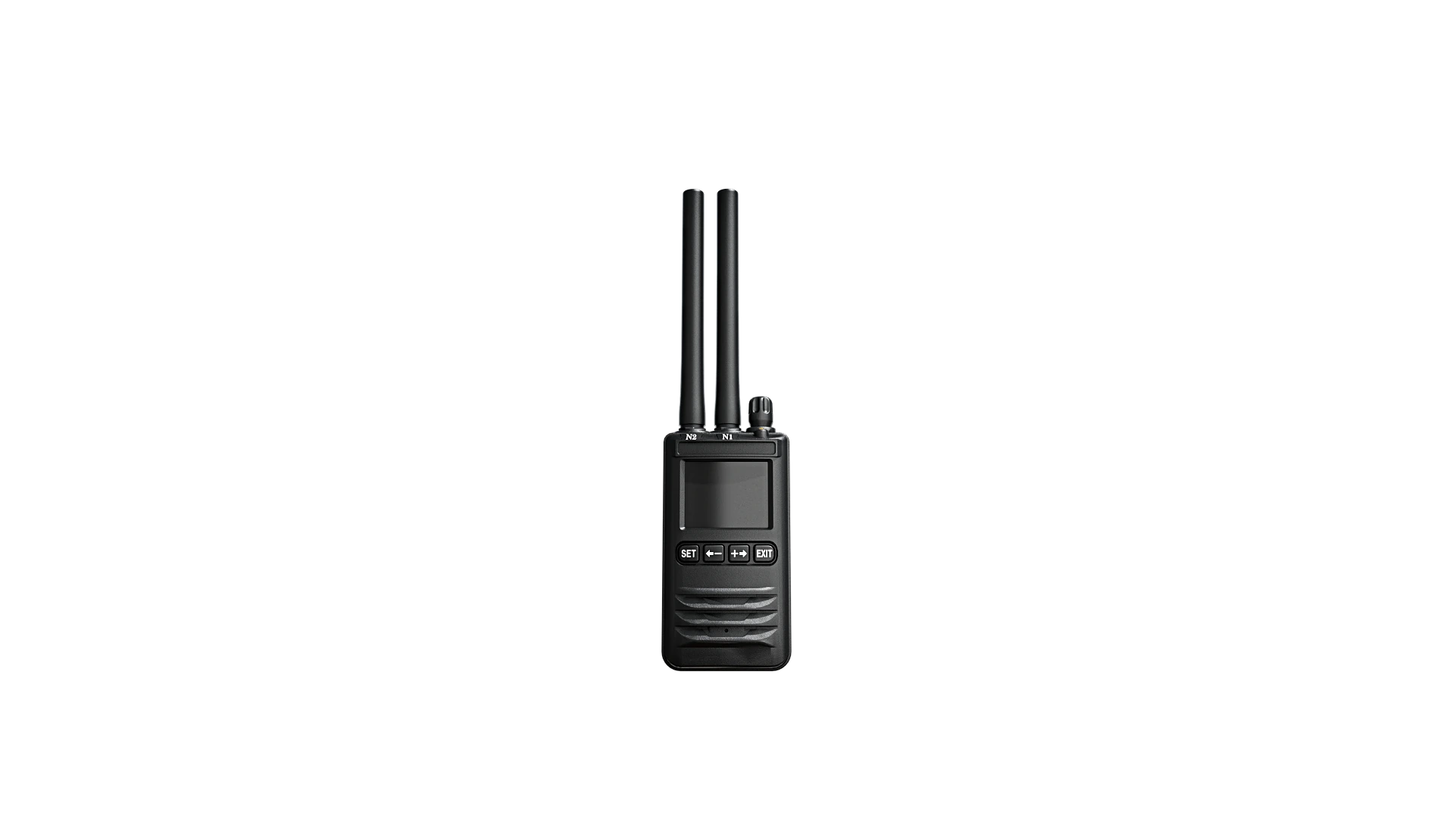
Portable equipment supports patrols and temporary security, vehicle-mounted equipment provides mobile power and coverage, and fixed equipment supports continuous monitoring at a defined site.
Project integration can cover control interfaces, alarms, software workflows, RF modules, antennas, power and enclosure requirements. Share the platform and interface specifications for review.
Provide the site, expected threats, required range, deployment method, quantity, destination, frequency or interface requirements and any OEM or integration scope.
Send the site, threat, coverage, deployment, quantity and integration requirements. Our team will help shortlist suitable products or a project configuration.

Shenzhen Jianhong Industrial Co., Ltd.
Professional low-altitude security and RF technology solution provider, offering integrated detection, monitoring, signal management, RF modules and customized OEM/ODM services.