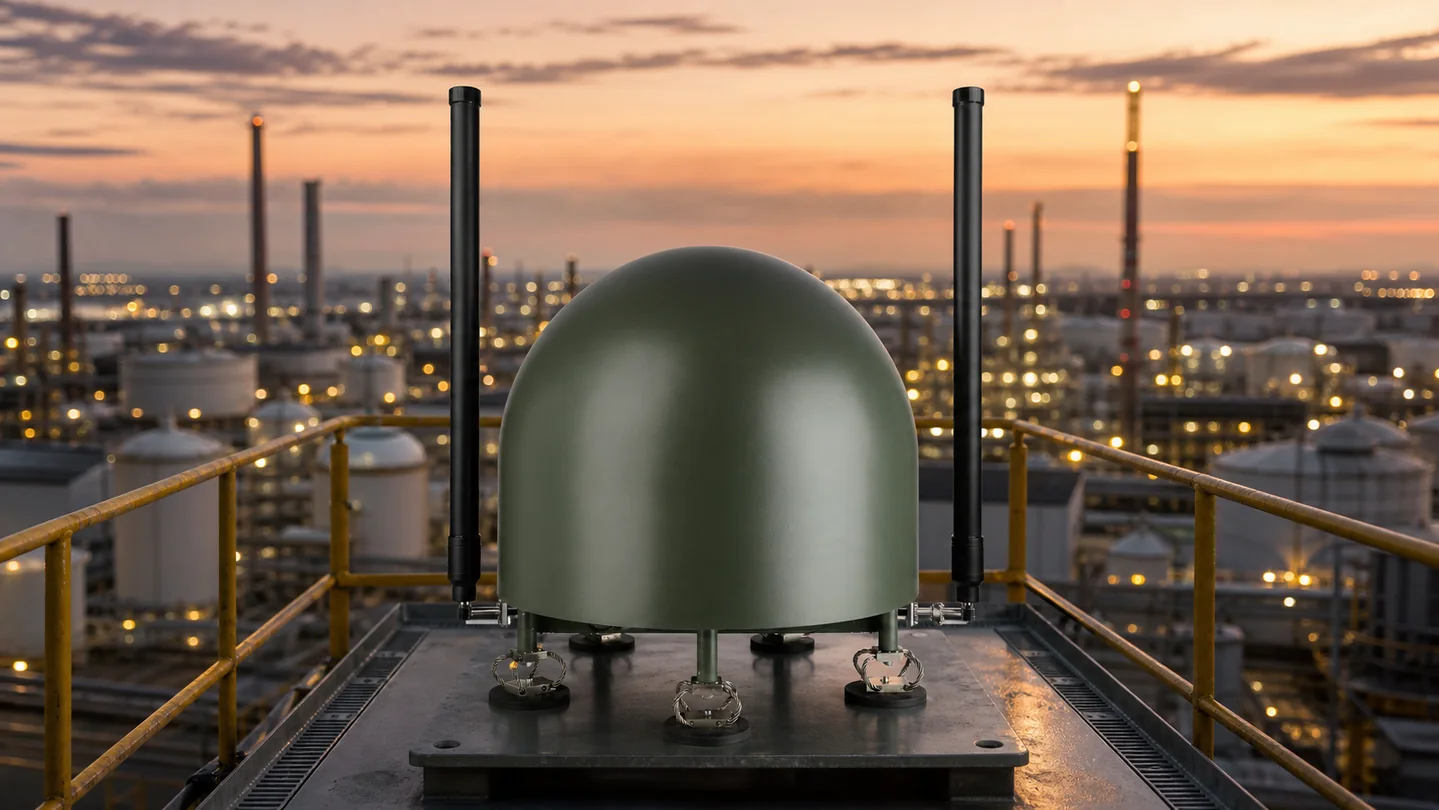
Una solución antidrón para petróleo y gas debe mejorar el conocimiento en torno a los activos de alto riesgo sin entrar en conflicto con los controles de áreas peligrosas, la seguridad de procesos, las comunicaciones o los procedimientos de emergencia.
Las refinerías, terminales, campos de producción y oleoductos tienen diseños y zonas de riesgo muy diferentes. La adquisición debe vincular los escenarios de drones con las consecuencias del proceso, los sistemas de seguridad existentes y las normas de instalación y mantenimiento seguras para cada área.
Resumen ejecutivo de decisiones
Los proyectos del sector energético deben:
- Priorizar salas de control, subestaciones, almacenamiento, áreas de antorcha, puntos de carga, nodos de tuberías y activos de producción remotos.
- Coordinar con la seguridad de procesos, la clasificación de áreas peligrosas, la respuesta a emergencias, la ciberseguridad TI/OT y la seguridad del sitio.
- Usar detección en capas donde las estructuras metálicas, los racks de tuberías, los tanques y el ruido de RF limitan una sola tecnología.
- Integrar alertas en el entorno de comando, VMS, control de acceso o gestión de incidentes existente.
- Especificar los requisitos ambientales, de corrosión, polvo, calor, rayos y ciclo de vida antes de la selección del producto.
Modelo de amenaza y operación en sitios energéticos
El comprador debe definir los eventos en términos de consecuencias para los activos y acciones del operador.
| Preocupación operativa | Por qué es importante | Información que el comprador debe definir |
|---|---|---|
| Observación sobre un área de proceso crítica | Las imágenes no autorizadas o la vigilancia persistente pueden requerir una verificación rápida y una respuesta de seguridad. | Activos protegidos, objetivo de privacidad/evidencia, vistas de cámara permitidas y reglas de escalado. |
| Drone que transporta una carga útil desconocida | Un objetivo cerca de tanques, tuberías o activos eléctricos puede crear una incertidumbre de alto riesgo. | Zonas de exclusión, tiempo de advertencia, coordinación de emergencia y límites de respuesta segura. |
| Intrusión remota en oleoducto o sitio de producción | El sitio puede estar desatendido con suministro de energía, ancho de banda y acceso de mantenimiento limitados. | Alertas remotas, autonomía energética, comunicaciones, monitoreo de salud y tiempo de viaje de respuesta. |
| Interferencia de RF o densa obstrucción industrial | Las estructuras y los sistemas industriales pueden afectar el rendimiento de RF, radar y óptico. | Estudio de RF, mapa de obstrucciones metálicas, posiciones de instalación y rutas de prueba representativas. |
| Drone de inspección autorizado | Los operadores energéticos suelen usar drones para inspección y mapeo. | Datos de aprobación de vuelo, gobernanza de lista blanca, proceso de contratistas y requisitos de auditoría. |
El plan de incidentes debe distinguir entre inspección autorizada, observación relacionada con seguridad, escalado de seguridad y respuesta a emergencias.
Arquitectura antidrón en capas
Un proyecto confiable se diseña como una secuencia de funciones, no como un solo dispositivo. Cada capa debe tener una entrada, salida, interfaz y responsabilidad del operador documentadas.
| Capa | Función requerida | Evidencia de adquisición |
|---|---|---|
| 1. Detectar | Descubrir actividad mediante sensores de RF, radar u otro sensor aprobado según el perfil de amenaza. | Clases de objetivos admitidos, alcance de frecuencia, velocidad de actualización, supuestos de cobertura y limitaciones conocidas. |
| 2. Verificar | Correlacionar alertas con EO/IR, historial de seguimiento, observaciones del operador y otras fuentes de datos aprobadas. | Rendimiento día/noche, flujo de trabajo de giro a indicación, formato de grabación y manejo de falsas alarmas. |
| 3. Comandar | Presentar seguimientos, alarmas, estado de salud y evidencia en una interfaz de operación controlada. | Capas de mapa, roles de usuario, registros de auditoría, documentación de API o SDK y controles de ciberseguridad. |
| 4. Decidir | Aplicar el concepto de operaciones y las reglas de escalado aprobados. | Prioridades de alarma, permisos de operador, registros de decisión, rutas de notificación y objetivos de tiempo de respuesta. |
| 5. Responder | Usar acciones autorizadas no cinéticas, de seguridad o de cumplimiento de ley apropiadas para el incidente. | Autoridad legal, permiso de espectro, enclavamientos de seguridad, autorización humana y reporte posterior al evento. |
Zonas de cobertura para petróleo, gas y energía
Defina las zonas a partir de las consecuencias para los activos, el acceso y las restricciones de instalación.
| Zona | Objetivo de cobertura recomendado | Consideración de diseño típica |
|---|---|---|
| Activos centrales de proceso y almacenamiento | Detección y verificación rápida cerca de equipos de alto riesgo. | Límites de áreas peligrosas, obstrucción metálica, ubicación de cámaras, distancia de seguridad y permisos de mantenimiento. |
| Perímetro y sectores de aproximación | Conocimiento más temprano antes de que los objetivos lleguen a los activos centrales. | Línea de cerco, terreno, carreteras adyacentes, instalaciones vecinas y línea de visión. |
| Nodo remoto de oleoducto o campo | Monitoreo desatendido con comunicaciones y salud confiables. | Autonomía energética, ancho de banda, gabinete ambiental, viaje de servicio y seguridad física. |
| Interfaz de carga, puerto o transporte | Monitorear la actividad cambiante de vehículos, embarcaciones y contratistas. | Obstrucción, áreas públicas, obstrucciones temporales, drones autorizados y coordinación multiagencia. |
| Centro de operaciones de seguridad | Correlacionar alertas de drones con VMS, acceso, incidentes y sistemas de emergencia. | Separación TI/OT, roles de usuario, seguridad de API, sincronización de tiempo, retención de datos y escalado. |
Roles recomendados de productos JianHong
Los siguientes productos son puntos de partida para discusiones de configuración. Las cantidades finales, la cobertura de frecuencia, las interfaces y los formatos de instalación deben confirmarse mediante un estudio del sitio y un concepto de operaciones aprobado.
| Producto | Rol en esta solución | Cuándo preseleccionarlo |
|---|---|---|
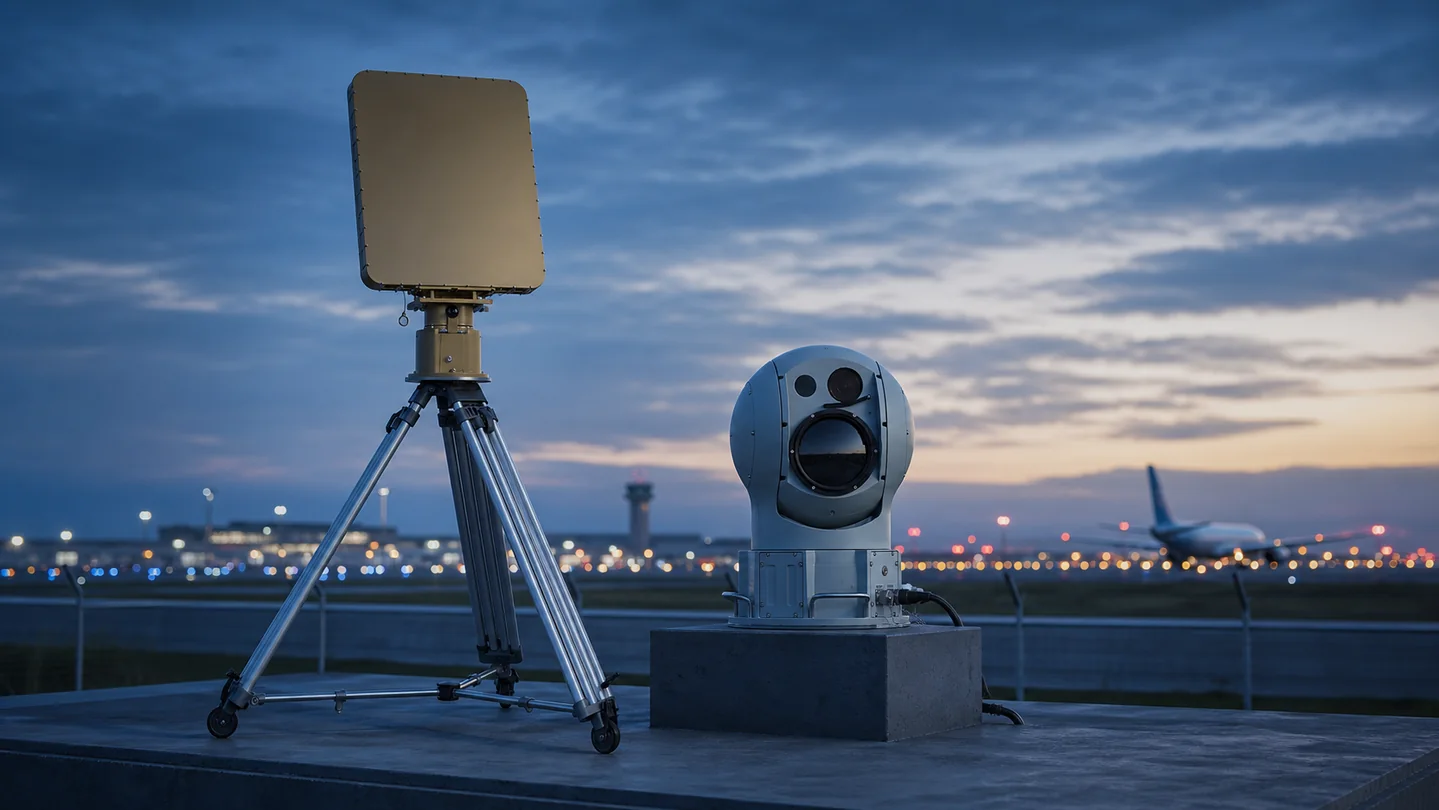
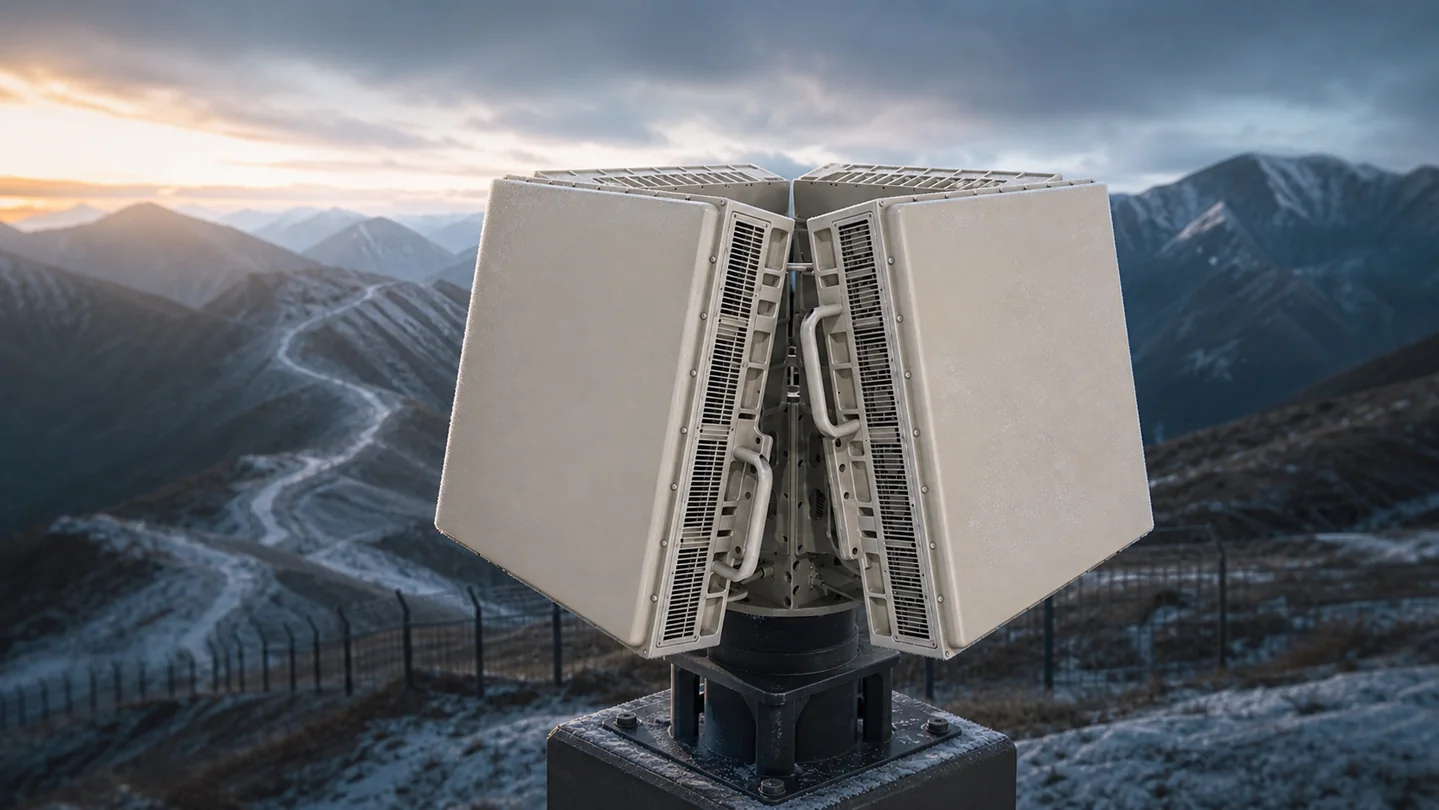
| Sistema fijo de detección de drones P4 | Conocimiento persistente basado en RF para sectores definidos del sitio. | Úselo en instalaciones permanentes con amenazas de enlace compatibles y puntos de instalación estables. |
| Sistema integrado de detección y gestión de señales CD800 | Comando multisensor, correlación de alertas e integración. | Úselo cuando un sitio necesite una capa de operación central y varios dispositivos de campo. |
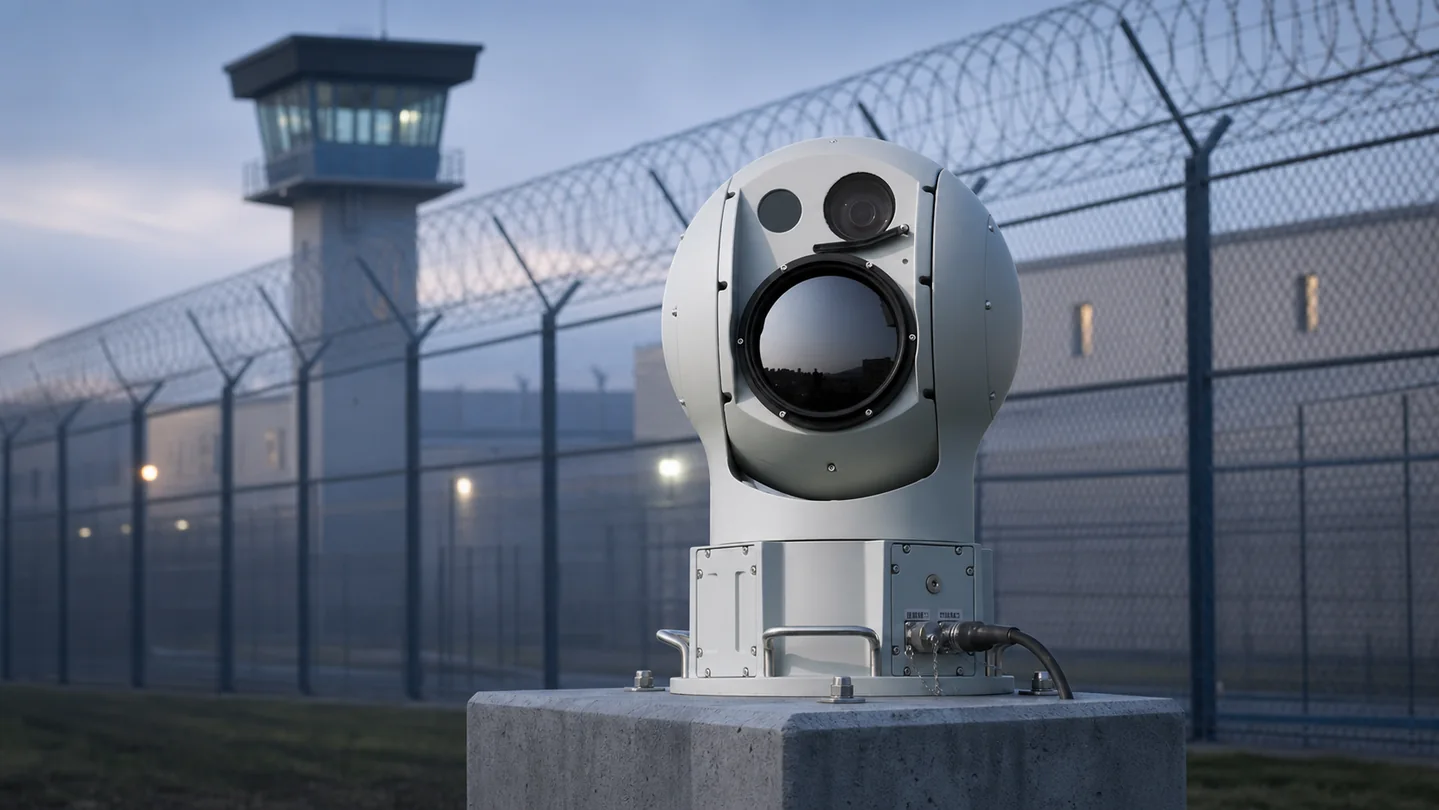
| Sistema de seguimiento de drones EO/IR G1 | Verificación visual o térmica y captura de evidencia. | Úselo cuando los operadores necesiten confirmación día/noche desde posiciones de cámara aprobadas. |
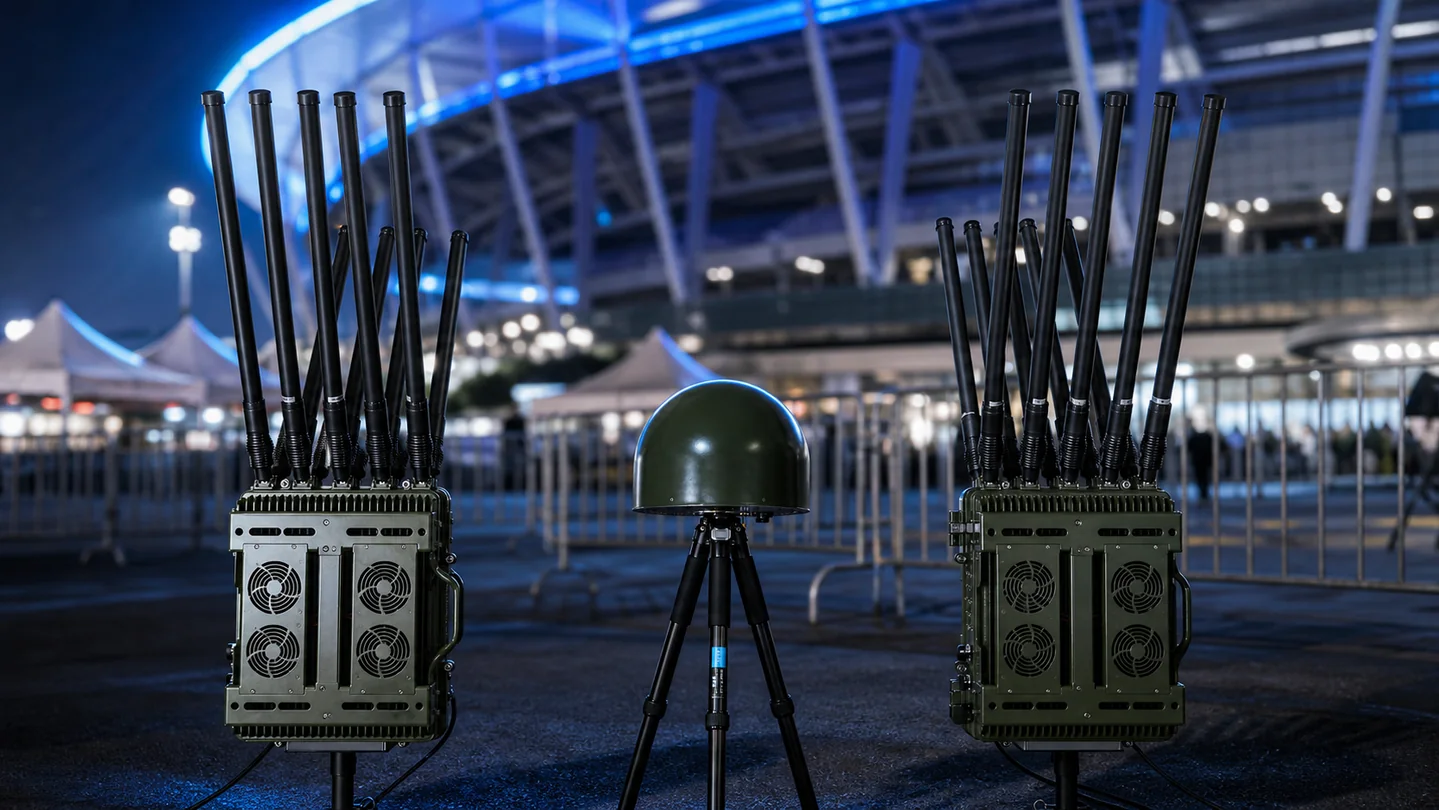
| Inhibidor antidrón montado en vehículo C6 | Componente móvil de respuesta activa para equipos autorizados. | Considérelo para sitios extensos solo después de la revisión de autoridad legal, plan de bandas y seguridad de procesos. |
| Sistema de inhibición antidrón multibanda X12 | Componente de respuesta integrada configurable. | Preseleccionar solo para proyectos aprobados con frecuencias, interfaces y enclavamientos de seguridad definidos. |
Requisitos técnicos para incluir en la RFQ
Una solicitud de cotización útil describe el resultado operativo y el método de aceptación, no solo un nombre de producto. Solicite a los oferentes que respondan contra la misma matriz de requisitos.
| Grupo de requisitos | Entrada del comprador | Evidencia solicitada al proveedor |
|---|---|---|
| Definición de amenaza | Tipos de drones, enlaces, rutas probables, altitud de operación, velocidad y preocupaciones de autonomía. | Matriz de cumplimiento que explique lo que es detectable, condicionalmente detectable o fuera del alcance. |
| Cobertura | Límite protegido, zonas de advertencia, terreno, estructuras, línea de visión y tiempo de advertencia requerido. | Plano de cobertura, supuestos de colocación de sensores, análisis de zonas ciegas y opciones de expansión. |
| Entorno | Temperatura, lluvia, polvo, viento, sal, vibración, rayos y calidad de energía. | Clasificaciones ambientales, límites de instalación, diseño térmico y requisitos de mantenimiento. |
| Rendimiento | Latencia de alerta requerida, continuidad de seguimiento, determinación de dirección, clasificación y retención de evidencia. | Método de prueba, evidencia representativa, condiciones de confianza y limitaciones documentadas. |
| Integración | VMS, PSIM, SIG, plataforma de comando, red, fuente de tiempo e interfaces de terceros. | Lista de protocolos, documentación de API, propiedad de datos, arquitectura de ciberseguridad y política de versiones. |
| Ciclo de vida | Horas de operación, respuesta de soporte, repuestos, capacitación, garantía y vida útil esperada. | Plan de mantenimiento, diagnóstico remoto, lista de repuestos, política de actualización y SLA de soporte. |
| Cumplimiento normativo | Destino, usuario final, requisitos de importación, reglas de espectro y autoridad operativa. | Evaluación de exportación, certificados, dependencias de autorización y una clara división de responsabilidades. |
Plan de despliegue e integración
El despliegue energético necesita una gestión formal del cambio, permisos de instalación y coordinación con los equipos de proceso y ciberseguridad.
- Clasifique los activos por seguridad, continuidad, impacto ambiental y consecuencias de seguridad.
- Defina escenarios de drones, programas de inspección autorizados, zonas de advertencia y decisiones del operador.
- Estudie clasificaciones peligrosas, estructuras, condiciones de RF, líneas de visión, energía, red y riesgo de rayos.
- Cree un diseño de sensores e integración que mantenga el equipo y el mantenimiento dentro de ubicaciones aprobadas.
- Realice pruebas piloto en rutas representativas alrededor de tanques, racks de tuberías, nodos remotos y sectores perimetrales.
- Integre con sistemas de seguridad aprobados manteniendo la segmentación TI/OT y los controles de auditoría.
- Complete la aceptación, los registros de gestión de cambio, la capacitación, el mantenimiento y los ejercicios de emergencia.
Las paradas, construcciones, nuevos tanques, grúas, sistemas de radio y programas de inspección pueden cambiar la cobertura y deben incluirse en revisiones periódicas.
Marco de aceptación FAT y SAT
Los criterios de aceptación deben acordarse antes de la fabricación e instalación. El equipo del proyecto debe separar la verificación en fábrica de las pruebas de rendimiento en el sitio real.
| Área de prueba | Prueba de aceptación en fábrica (FAT) | Prueba de aceptación en sitio (SAT) |
|---|---|---|
| Configuración | Verifique modelos, cantidades, interfaces, firmware, accesorios y documentación antes del envío. | Confirme los activos instalados, coordenadas, calibración, configuración de red y planos as-built. |
| Flujo de trabajo de detección | Demuestre las salidas del sensor y el procesamiento de alarmas con entradas controladas o objetivos representativos. | Ejecute rutas y escenarios acordados en zonas prioritarias, incluyendo pases repetidos y condiciones límite. |
| Flujo de trabajo del operador | Verifique roles de usuario, reconocimiento de alarmas, exportación de evidencia y lógica de escalado. | Mida acciones reales del operador, tiempo de notificación, traspaso y reporte de incidentes. |
| Integración | Pruebe las API documentadas, campos de datos, sincronización de tiempo, reporte de salud y estados de falla. | Valide el intercambio de extremo a extremo con los sistemas operativos y políticas de red del comprador. |
| Confiabilidad | Realice pruebas de quemado, reinicio, recuperación de energía y verificaciones de salud de componentes. | Observe la operación continua definida, la recuperación de comunicaciones y el comportamiento ambiental. |
| Capacitación y transferencia | Revise manuales, herramientas de mantenimiento, repuestos y materiales de capacitación. | Complete la capacitación de operadores y mantenedores, verificaciones de competencia y registros de transferencia firmados. |
Registre la geometría de prueba, el tipo de objetivo, la ruta, la altitud, el clima, las condiciones de RF, la versión del software y las acciones del operador. Una sola demostración de alcance máximo no es una prueba de aceptación completa.
Información para enviar para una propuesta de proyecto
Proporcionar la siguiente información ayuda a los equipos de ingeniería a devolver una arquitectura útil en lugar de una lista genérica de equipos:
- Tipo de sitio y mapa que muestre activos de proceso, almacenamiento, energía, carga, control y remotos.
- Clasificaciones de áreas peligrosas, restricciones de instalación y requisitos de permisos.
- Tipos de objetivos, rutas probables, vuelos de inspección autorizados y objetivos de respuesta.
- Temperatura, polvo, sal, humedad, corrosión, viento, rayos y exposición solar.
- Información de estudio de RF y fuentes conocidas de comunicaciones industriales o interferencias.
- Operaciones de seguridad, VMS, PSIM, SIG, control de acceso, incidentes y requisitos de API.
- Segmentación TI/OT, ciberseguridad, roles de usuario, políticas de registro y retención.
- Calidad de energía, redundancia, duración de respaldo y autonomía de sitios remotos.
- Alcance de autoridad y seguridad de procesos para cualquier respuesta activa.
- Ciclo de vida, repuestos, soporte en campo, capacitación y escenarios de aceptación planificados.
Donde las reglas de seguridad impidan compartir un plano exacto, proporcione un plano de sitio anonimizado con distancias aproximadas, terreno, zonas protegidas y restricciones de instalación.
Errores comunes en la adquisición
- Instalar equipos antes de la revisión de áreas peligrosas y seguridad de procesos.
- Usar un solo número de alcance para tanques, racks de tuberías, campos abiertos y sitios remotos.
- Ignorar los drones de inspección autorizados y las aprobaciones de vuelo de contratistas.
- Conectar equipos de seguridad a redes operativas sin arquitectura de ciberseguridad.
- Seleccionar productos sin evidencia de calor, polvo, corrosión, rayos y mantenimiento.
- Tratar la mitigación activa como una función de seguridad normal sin autorización legal y de seguridad.
Guías de adquisición relacionadas
Preguntas frecuentes
¿Se puede instalar equipo antidrón en un área peligrosa?
Solo los equipos y métodos de instalación aprobados para la clasificación específica del sitio deben entrar en un área peligrosa. Muchos diseños colocan sensores fuera de las zonas clasificadas y confirman el concepto con los equipos de seguridad del sitio.
¿Cómo afectan los tanques y racks de tuberías a la detección?
Las grandes estructuras metálicas pueden bloquear líneas de visión, crear multitrayectoria y añadir ruido de radar. Es necesario un estudio del sitio, modelo de cobertura y rutas representativas.
¿Se pueden excluir los drones de inspección autorizados?
El flujo de trabajo puede incorporar información de aprobación y reglas operativas, pero se requieren gobernanza, calidad de datos y controles de auditoría. La detección y autorización deben mantenerse trazables.
¿Los sitios remotos de oleoductos deben usar la misma arquitectura que una refinería?
No necesariamente. Los sitios remotos pueden priorizar bajo consumo, procesamiento en el borde, comunicaciones seguras de bajo ancho de banda, diagnóstico remoto y componentes reemplazables en campo.
¿Puede una empresa energética operar equipos de inhibición?
Solo con la autoridad legal y de espectro requerida y después de que los riesgos de seguridad de procesos e interferencias sean formalmente aprobados. Las reglas varían según la jurisdicción y el usuario final.
¿Qué debe incluir la SAT de un sitio energético?
Pruebe los enfoques prioritarios, sombra de estructuras, verificación día/noche, recuperación de red y energía, integración con sala de control, manejo de vuelos autorizados y procedimientos operativos ambientales.
Referencias oficiales de planificación
Para proyectos relacionados con aviación civil u operaciones en EE. UU., revise los recursos legales y de política contra UAS de la FAA y la guía de detección y mitigación para aeropuertos de la FAA. Los interesados en aeropuertos internacionales también pueden consultar el material de protección contra intrusiones de UAS de la OACI. Estas referencias no reemplazan la revisión legal, de espectro, aviación, importación u operativa local.
Planifique la protección contra UAS para un sitio energético
Comparta un mapa de activos anonimizado, restricciones de peligro, condiciones ambientales, áreas de instalación aprobadas e interfaces de sistemas de seguridad para una propuesta de ingeniería.