Which drone detection technology should I choose?
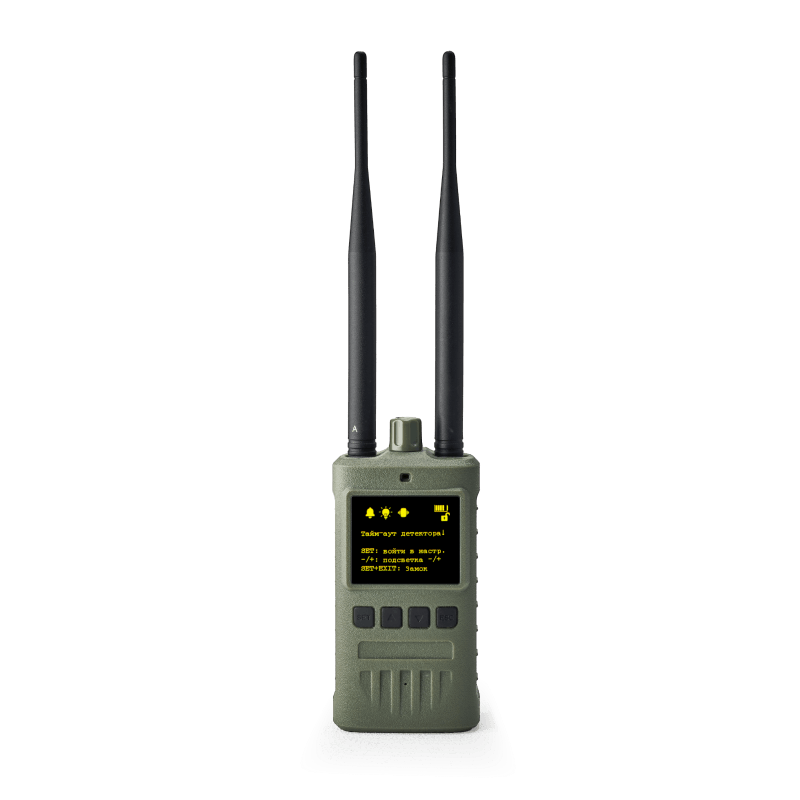
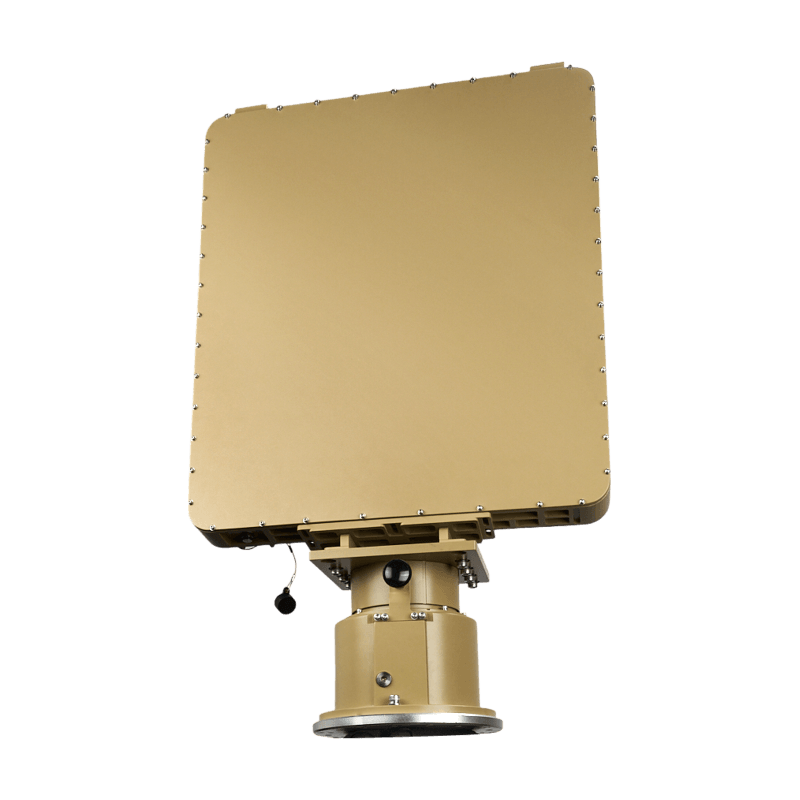
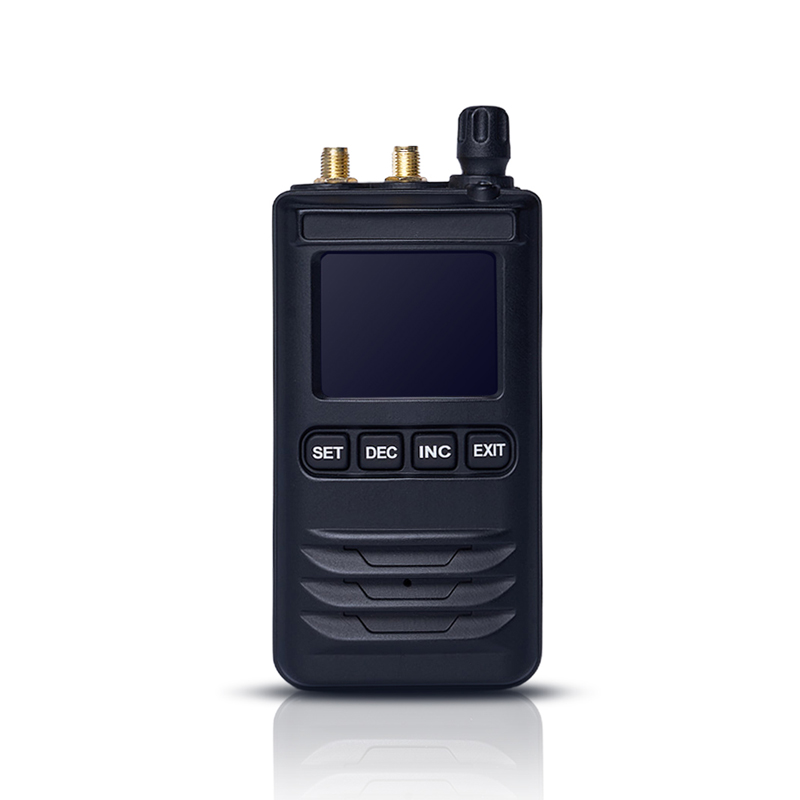
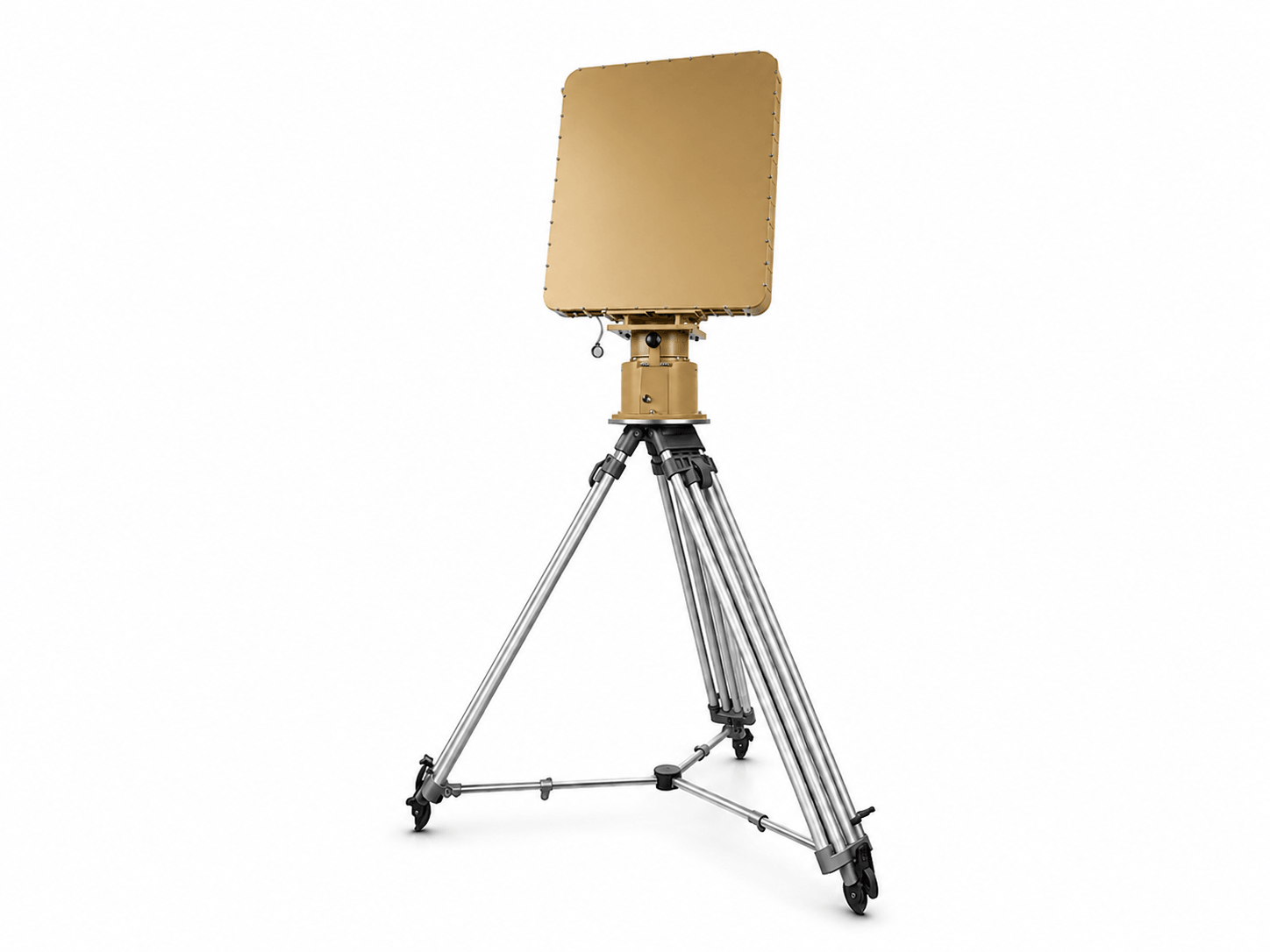
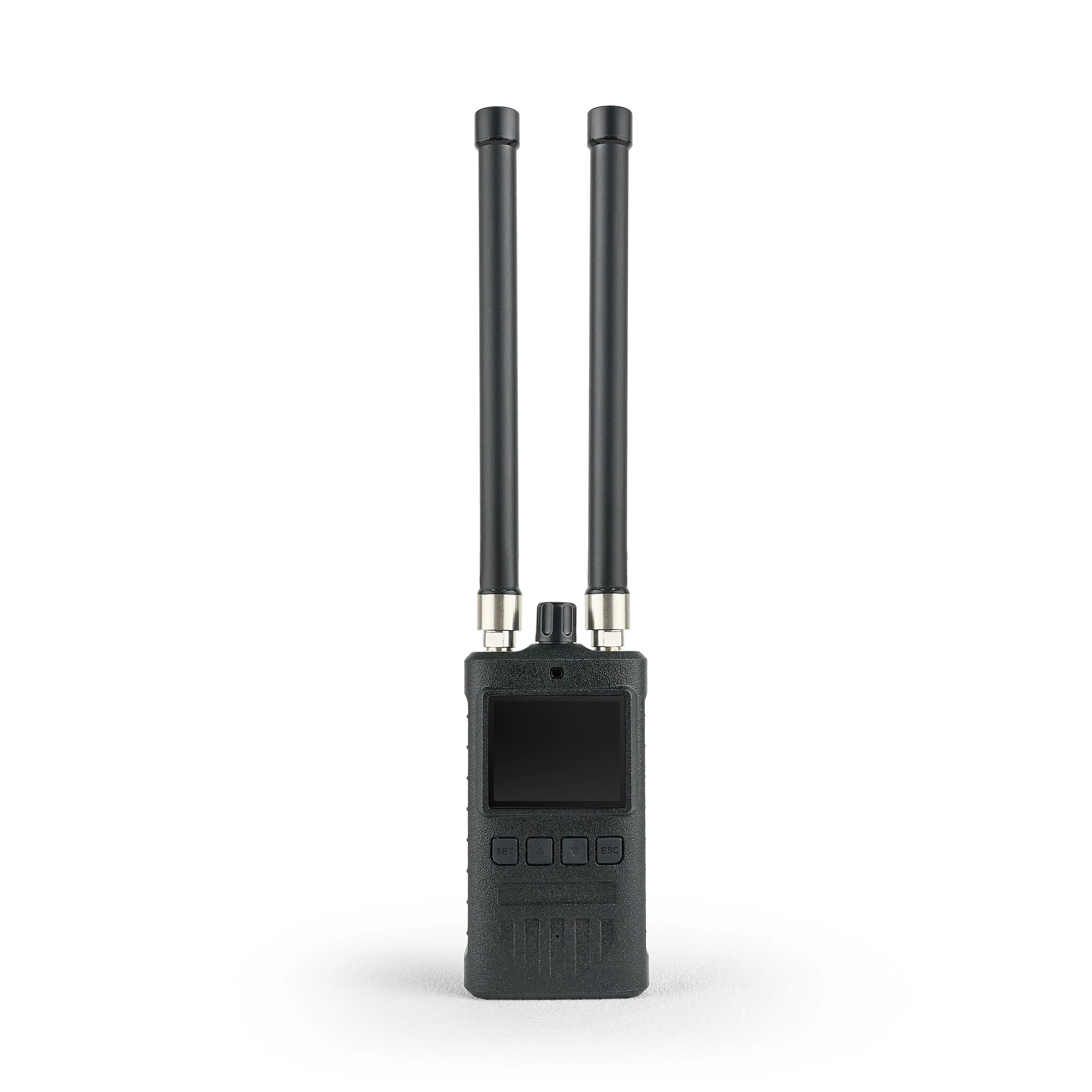
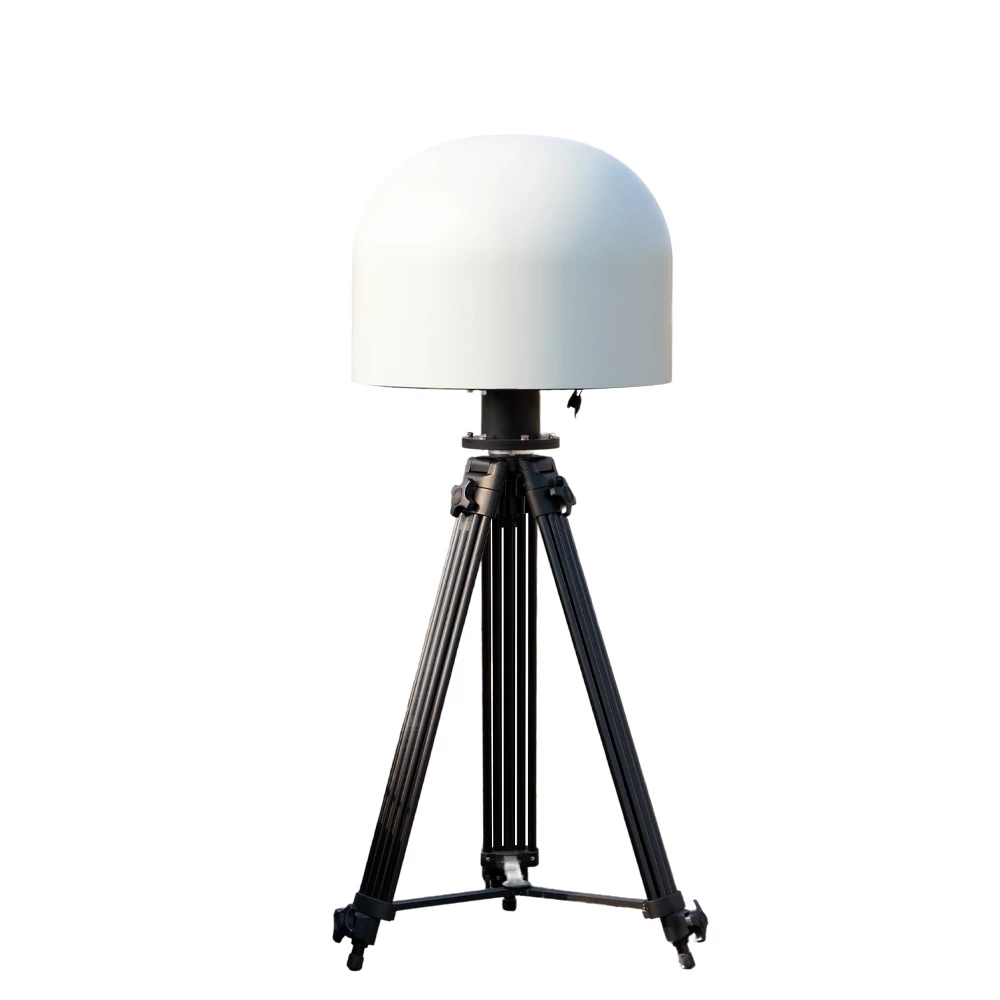
RF detection is useful for supported control and video links, radar can detect non-cooperative moving targets, and EO/IR supports visual confirmation. High-security sites often use two or more sensor types to reduce blind spots.
Can an RF drone detector detect autonomous drones?
RF-only detection may not identify a drone that is not transmitting a supported radio link. Radar and EO/IR can complement RF sensing when autonomous, pre-programmed or unfamiliar targets are part of the threat profile.
What affects drone detection range?
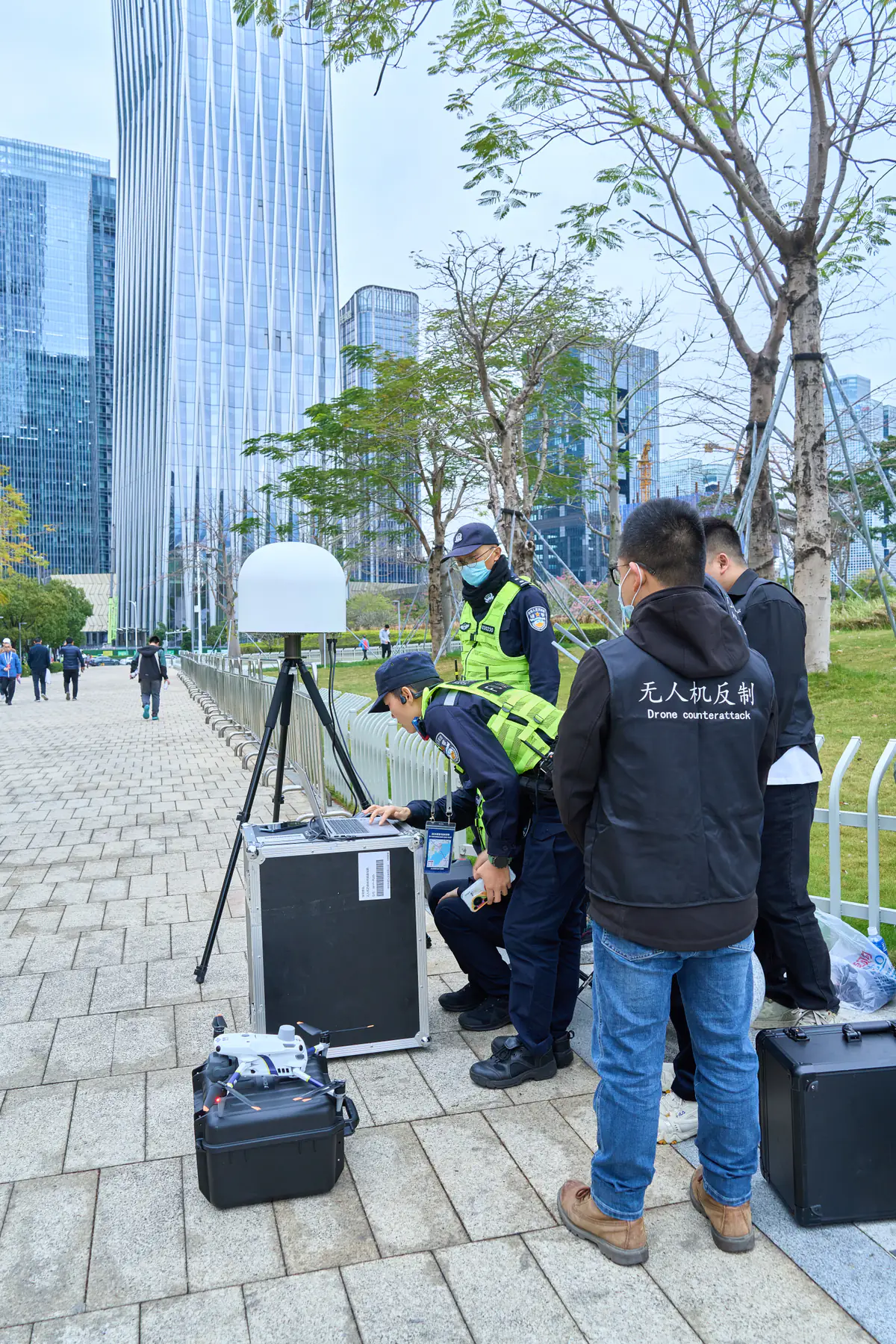
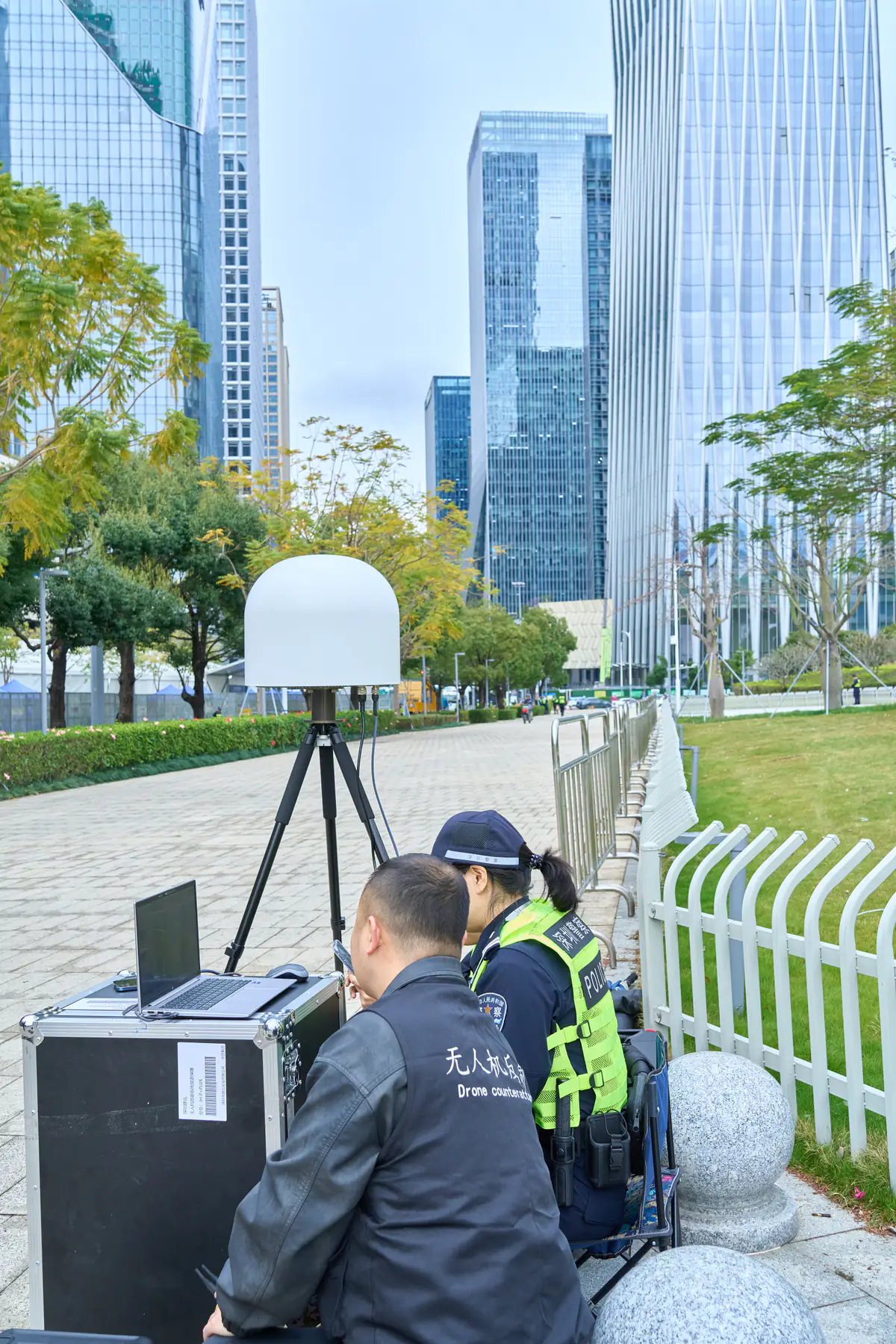
Range varies with drone type, signal activity, antenna height, terrain, buildings, electromagnetic noise, weather, line of sight and sensor configuration. A site assessment is more reliable than a single maximum-range figure.
Can the detection system connect to existing security software?
Integration may be possible through project-specific APIs, alarm outputs, network interfaces or command platforms. Share the existing system architecture and required data flow during technical evaluation.
What should I send for a detection system proposal?
Send the site type, protected area, expected drone targets, preferred detection range, fixed or portable requirement, available installation points, integration needs, quantity and destination country.