Wideband RF Awareness
Monitor relevant control and video-link bands with an architecture matched to the local spectrum.
Layered RF, radar, optical and authorized response options for low, fast and short-warning FPV drone threats.
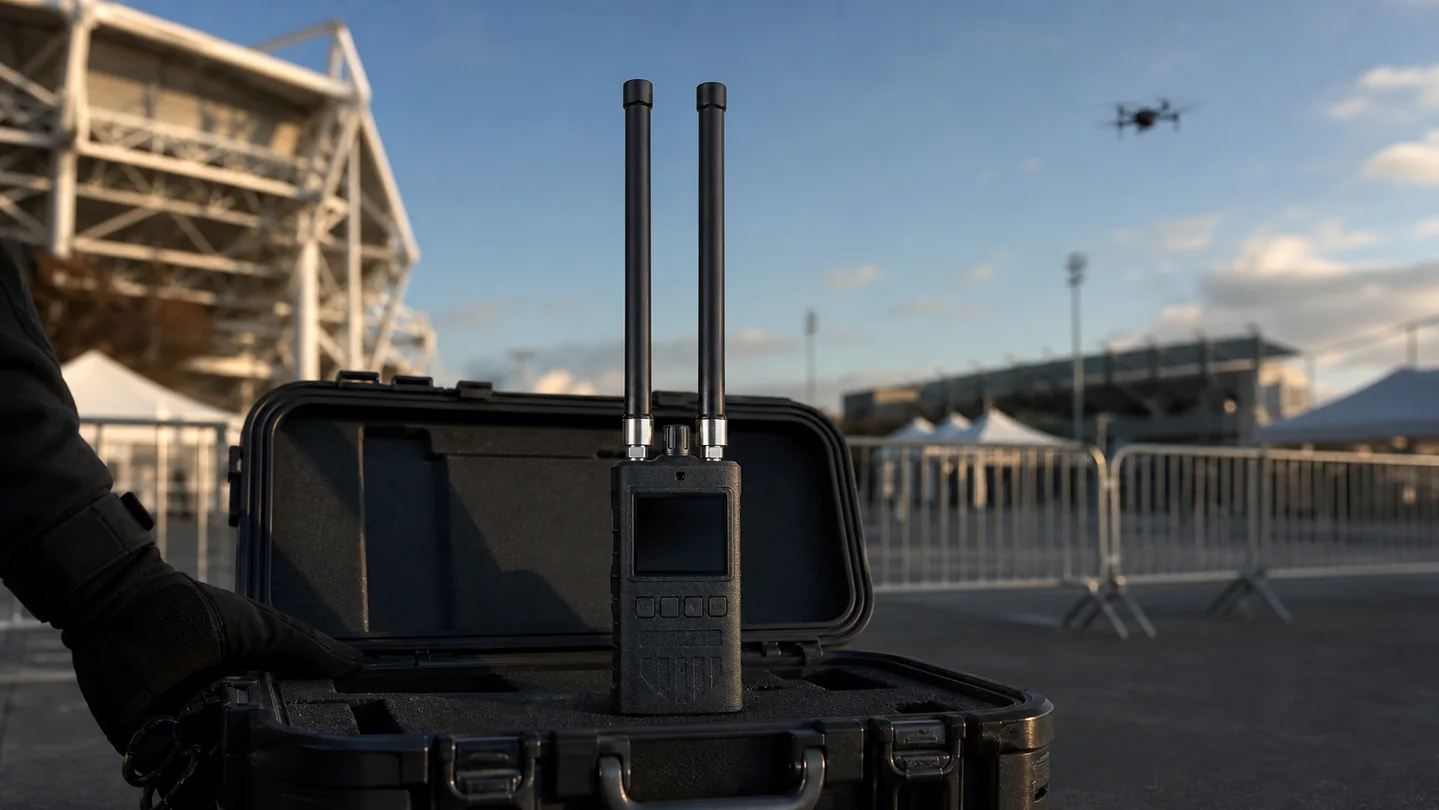
FPV drones can fly low, use varied frequency bands and exploit terrain or structures to reduce warning time. No single sensor covers every target profile. A practical counter-FPV design layers spectrum awareness, radar where appropriate, visual confirmation, distributed observation and an approved response workflow around the protected site.
Select capabilities around the protected site and operating requirement—not a fixed equipment list.
Monitor relevant control and video-link bands with an architecture matched to the local spectrum.
Use radar or optical sensing where RF-only detection cannot cover autonomous or silent targets.
Prioritize clear alarms, target direction and rapid verification when warning time is limited.
Place sensors and observation points around likely low-level approach routes and masking terrain.
Record expected FPV platforms, bands, links and flight tactics.
Map low approaches, masking terrain and minimum warning zones.
Combine RF, radar and optical evidence according to target behavior.
Validate alert, verification, escalation and authorized action timing.
Perimeter coverage for compounds and high-value facilities.
Portable awareness for patrol or temporary missions.
Short-term protection with controlled deployment boundaries.
Distributed detection around terrain-constrained sites.
Expected FPV types, frequency bands and likely approach routes
Required warning time, minimum range and protected-zone geometry
Terrain, buildings, spectrum congestion and line-of-sight limits
Operator staffing, escalation process and authorized response rules
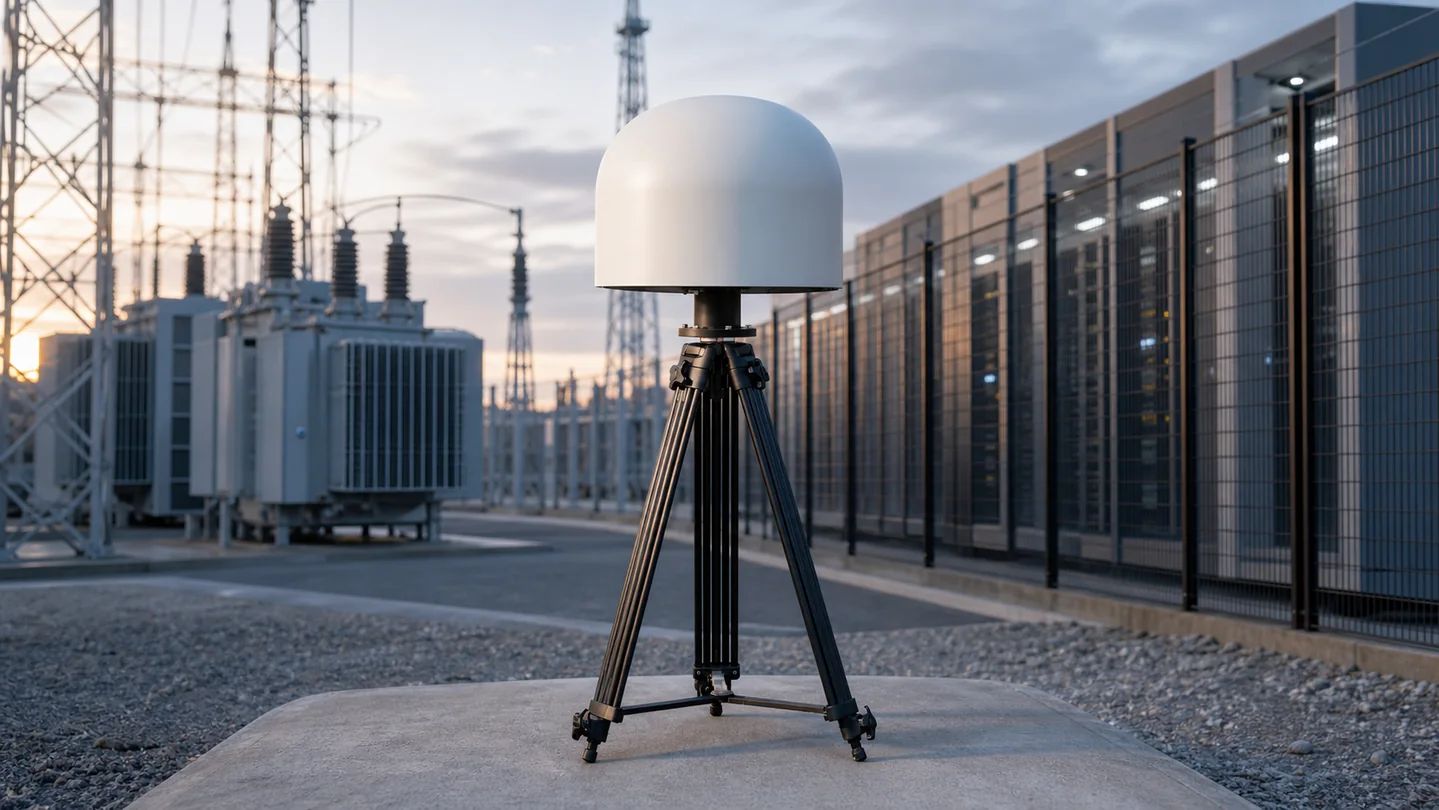
A layered drone detection and authorized response architecture for power plants, substations, energy sites, data centers and other high-value facilities.
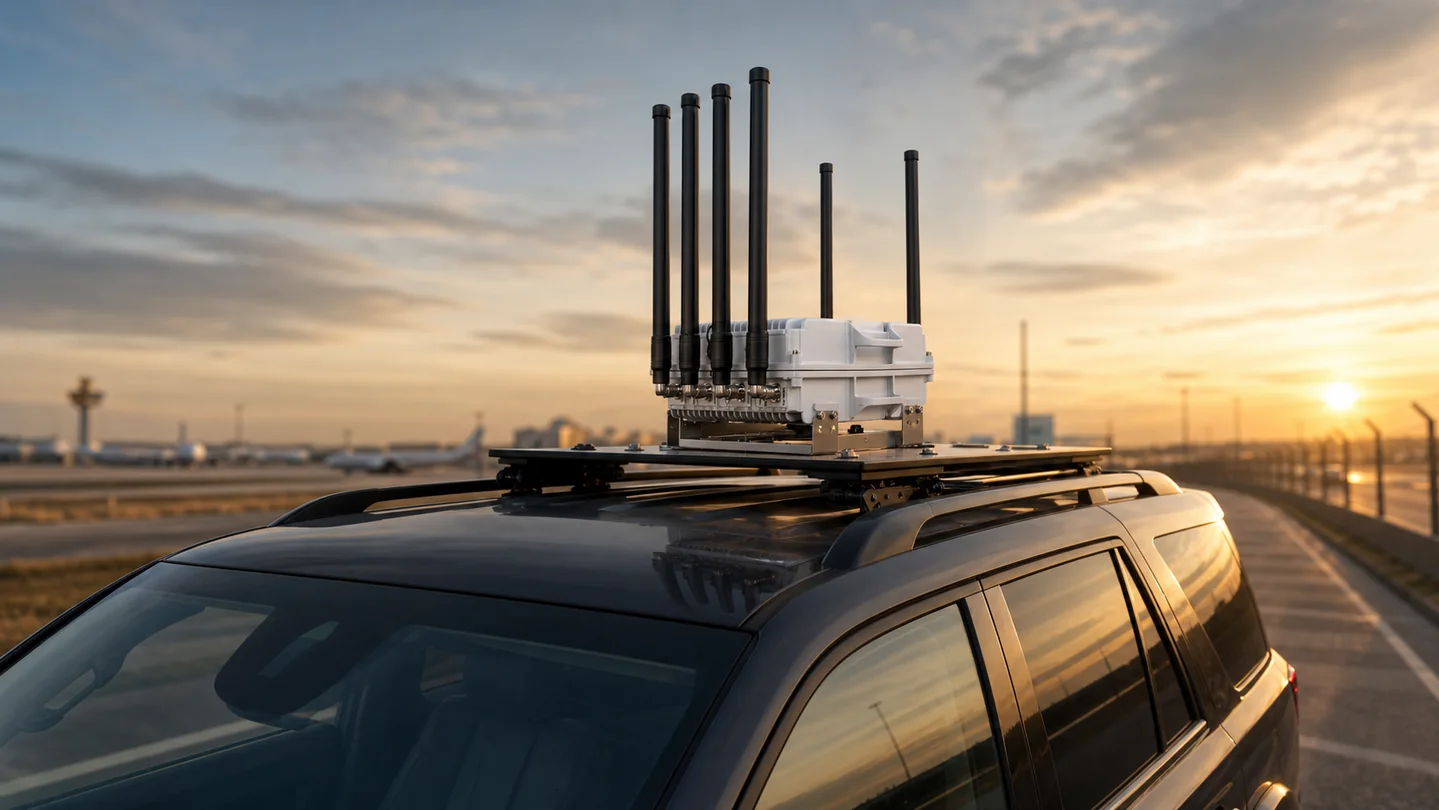
A mobile detection, command and authorized response package for patrols, convoys, temporary sites and rapidly changing security missions.
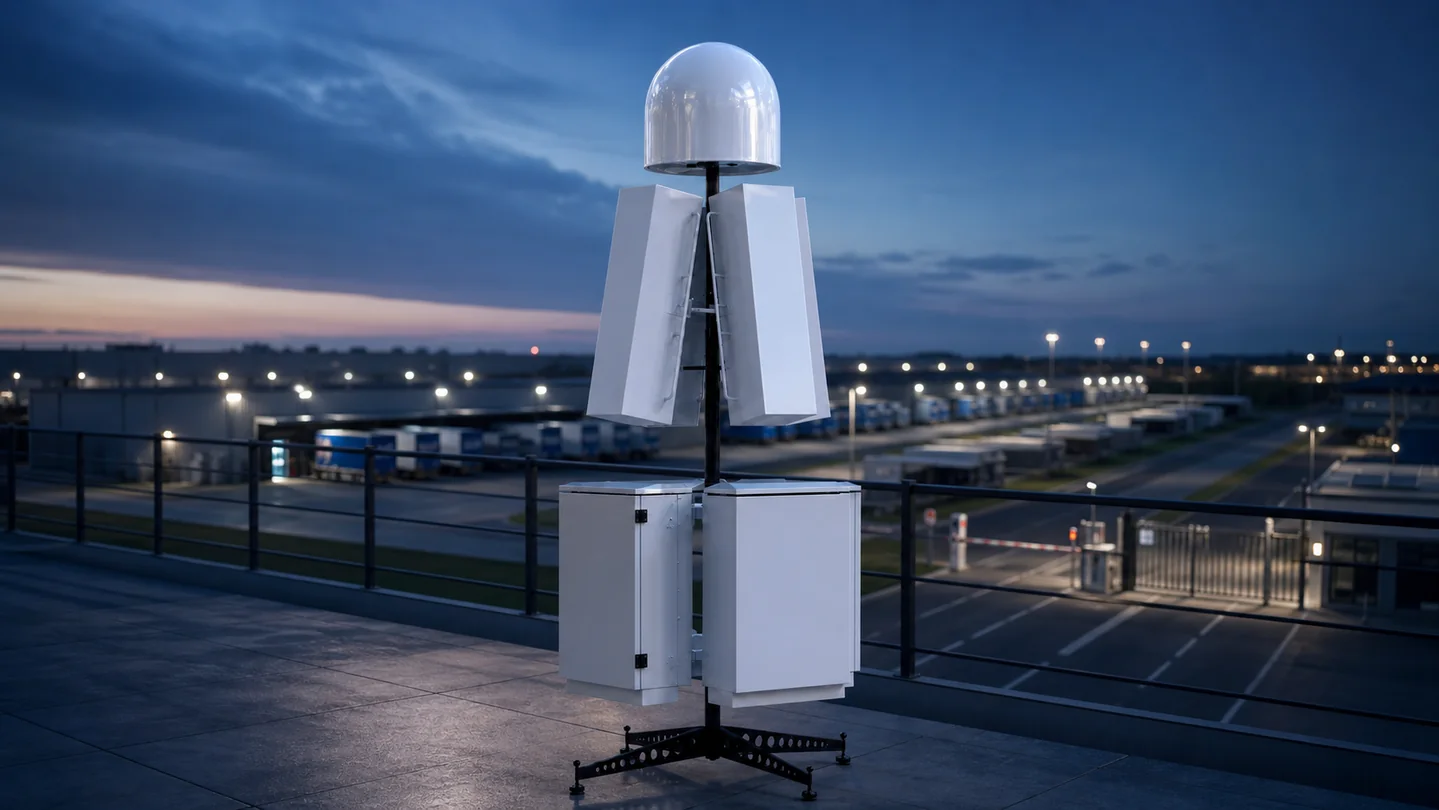
Connect drone detection, verification, command software and legally authorized jamming equipment in one controlled counter-UAS workflow.
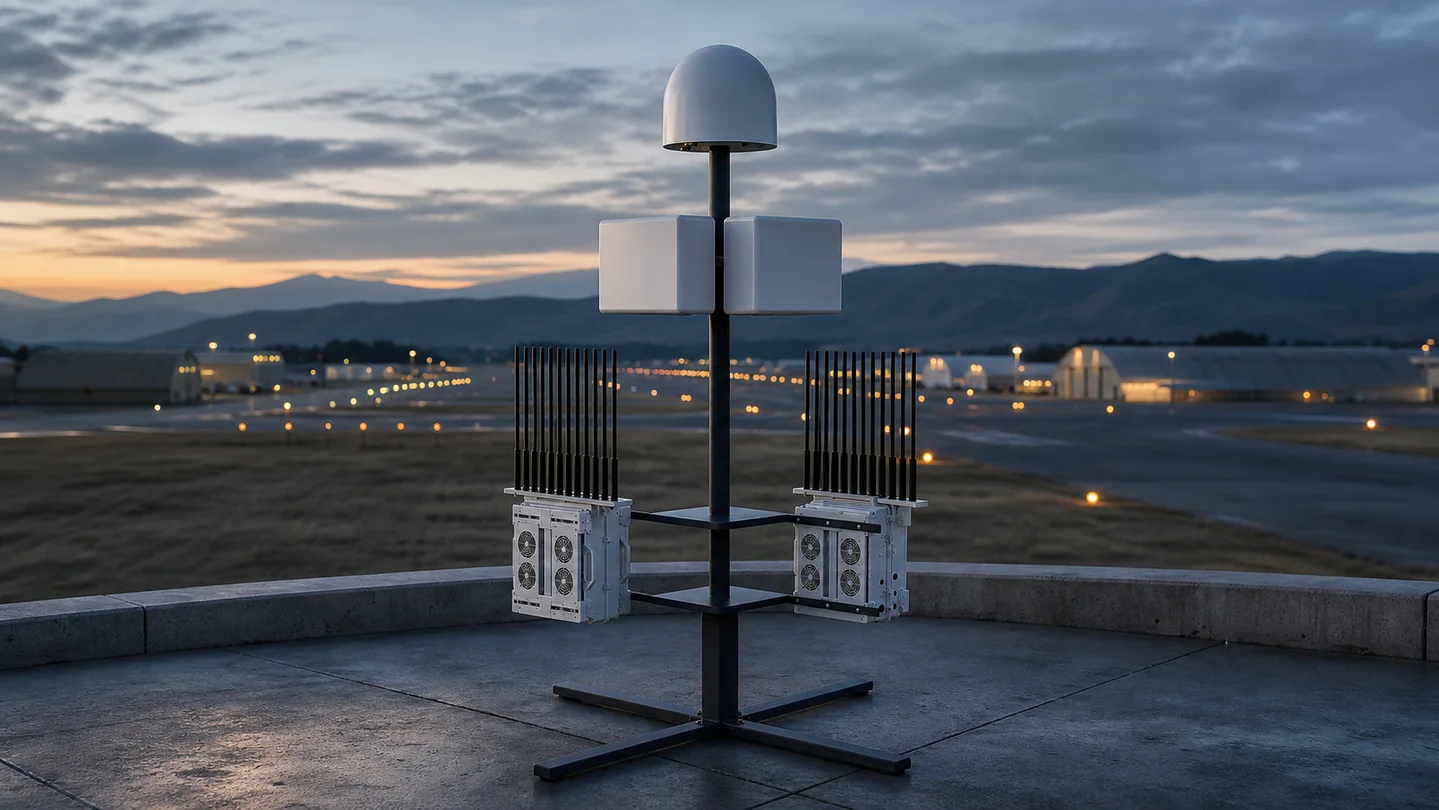
A layered fixed-site and mobile counter-UAS architecture for perimeter awareness, sensitive zones, patrol support and controlled response.
No. RF detection depends on supported control or video emissions. Autonomous, fiber-controlled or unfamiliar links may require radar, optical or other complementary sensing.
FPV drones may fly low, fast and behind terrain or structures. Layering different sensors improves the chance of early detection and target verification.
The required bands depend on the threat profile, local spectrum and the selected equipment. A site survey and threat library should guide the final configuration.
Yes. Portable or backpack equipment can support mobile teams, while fixed or distributed sensors provide more persistent site coverage.
Send the protected site, target profile, coverage and integration requirements. Our team will propose a practical architecture.

Shenzhen Jianhong Industrial Co., Ltd.
Professional low-altitude security and RF technology solution provider, offering integrated detection, monitoring, signal management, RF modules and customized OEM/ODM services.