Detection and Identification
Generate useful alerts and target information from RF, radar or EO/IR sensors.
Connect drone detection, verification, command software and legally authorized jamming equipment in one controlled counter-UAS workflow.
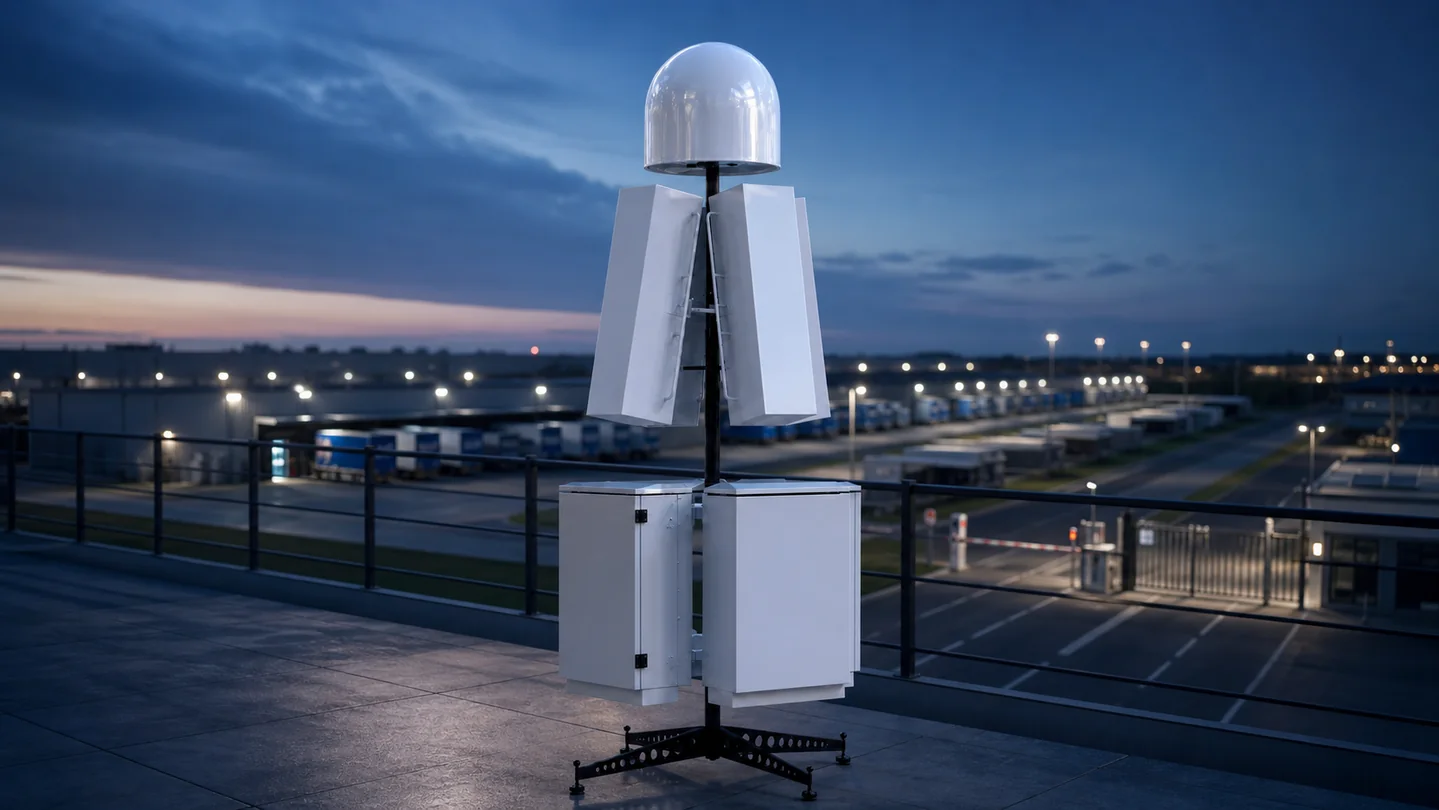
An integrated drone detection and jamming system is more than two devices on the same site. It requires compatible interfaces, reliable target correlation, clear operator permissions, defined response zones, event logging and fail-safe behavior. JianHong plans the sensor, command, antenna, network and response layers as one project architecture.
Select capabilities around the protected site and operating requirement—not a fixed equipment list.
Generate useful alerts and target information from RF, radar or EO/IR sensors.
Combine alarms, tracks, maps and equipment status in a controlled operator interface.
Activate response equipment only within the approved legal and operational procedure.
Record events, permissions and device status while maintaining defined fail-safe conditions.
Sense relevant drone activity and generate an actionable alert.
Correlate direction, track, signal and visual evidence.
Apply operator permissions, geofencing and the approved decision workflow.
Use the approved response and preserve the complete event record.
Layered awareness with tightly controlled response procedures.
Perimeter monitoring and approved mitigation workflows.
Persistent monitoring for high-value fixed facilities.
Deployable command and response for temporary operations.
Detection range, target profile and required target information
Approved response bands, zones, power and operating restrictions
Command software interfaces, operator roles and event logging
Acceptance tests for detection, correlation, response and fail-safe behavior
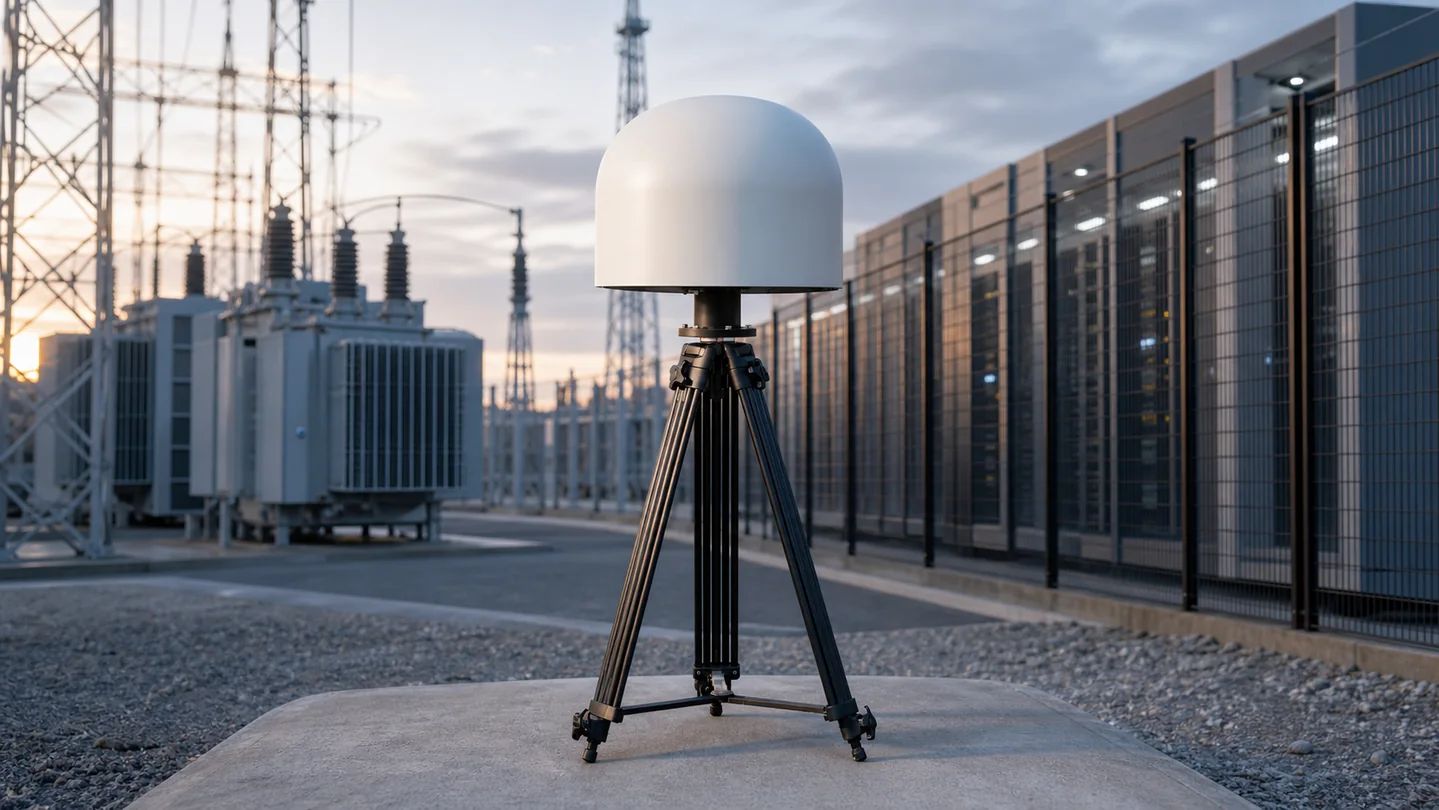
A layered drone detection and authorized response architecture for power plants, substations, energy sites, data centers and other high-value facilities.
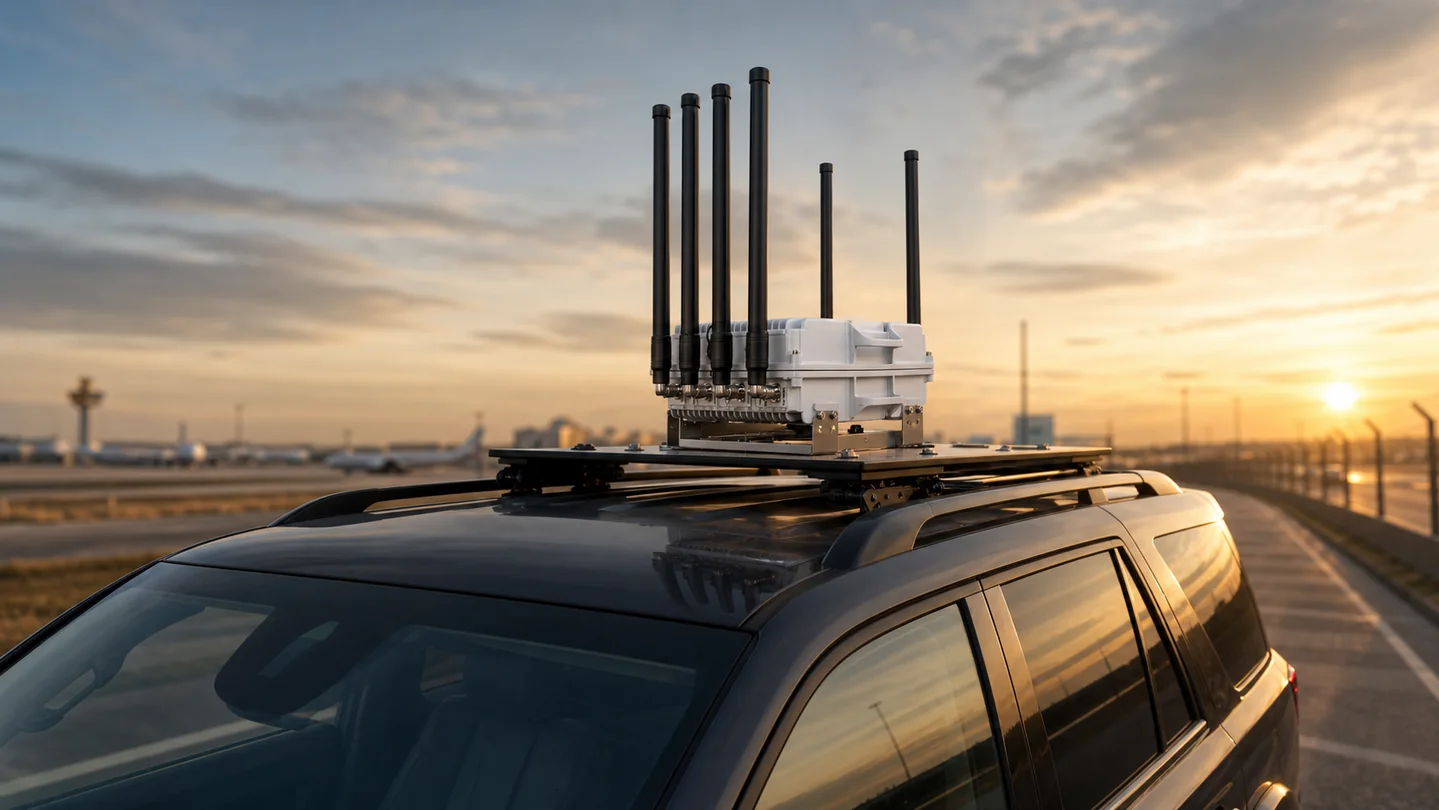
A mobile detection, command and authorized response package for patrols, convoys, temporary sites and rapidly changing security missions.
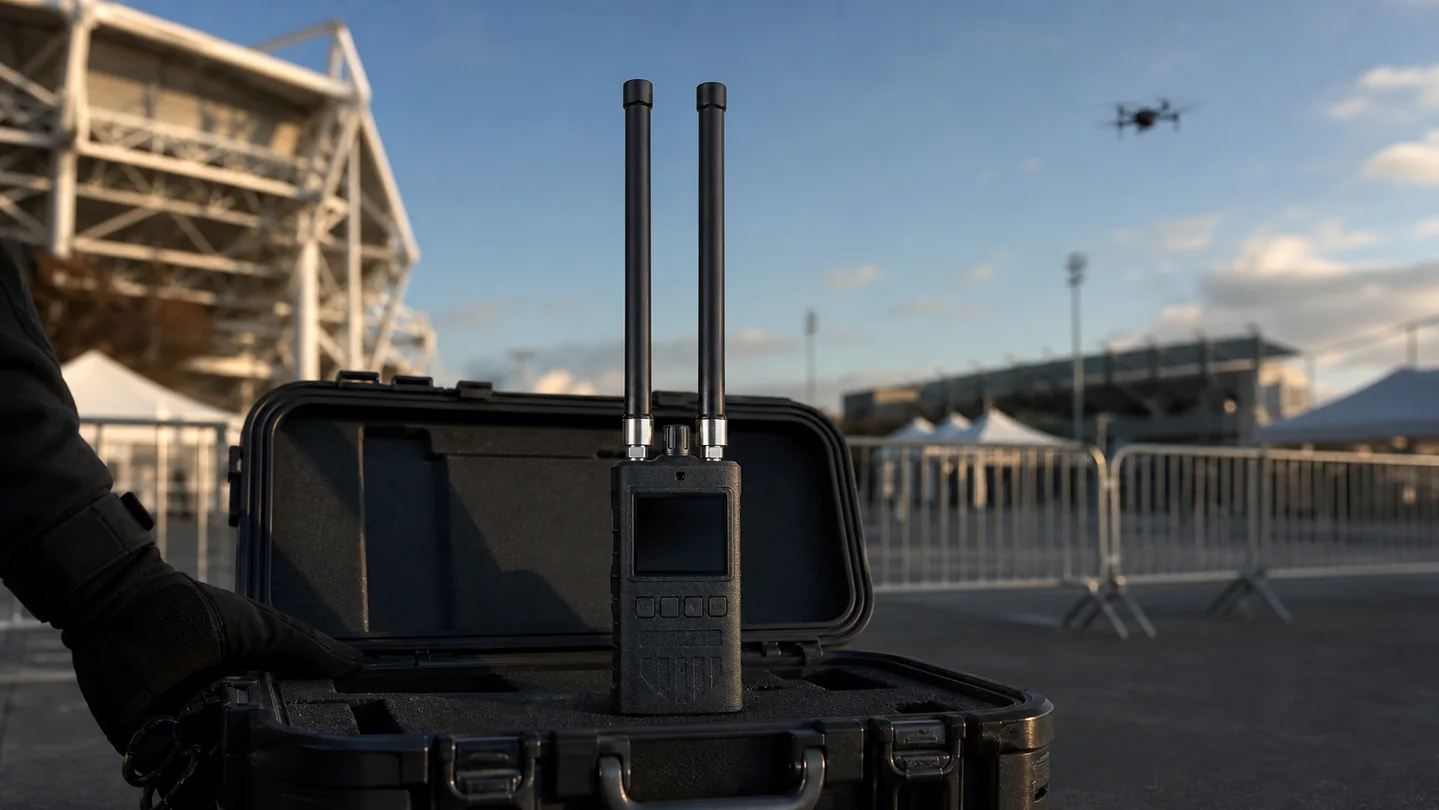
Layered RF, radar, optical and authorized response options for low, fast and short-warning FPV drone threats.
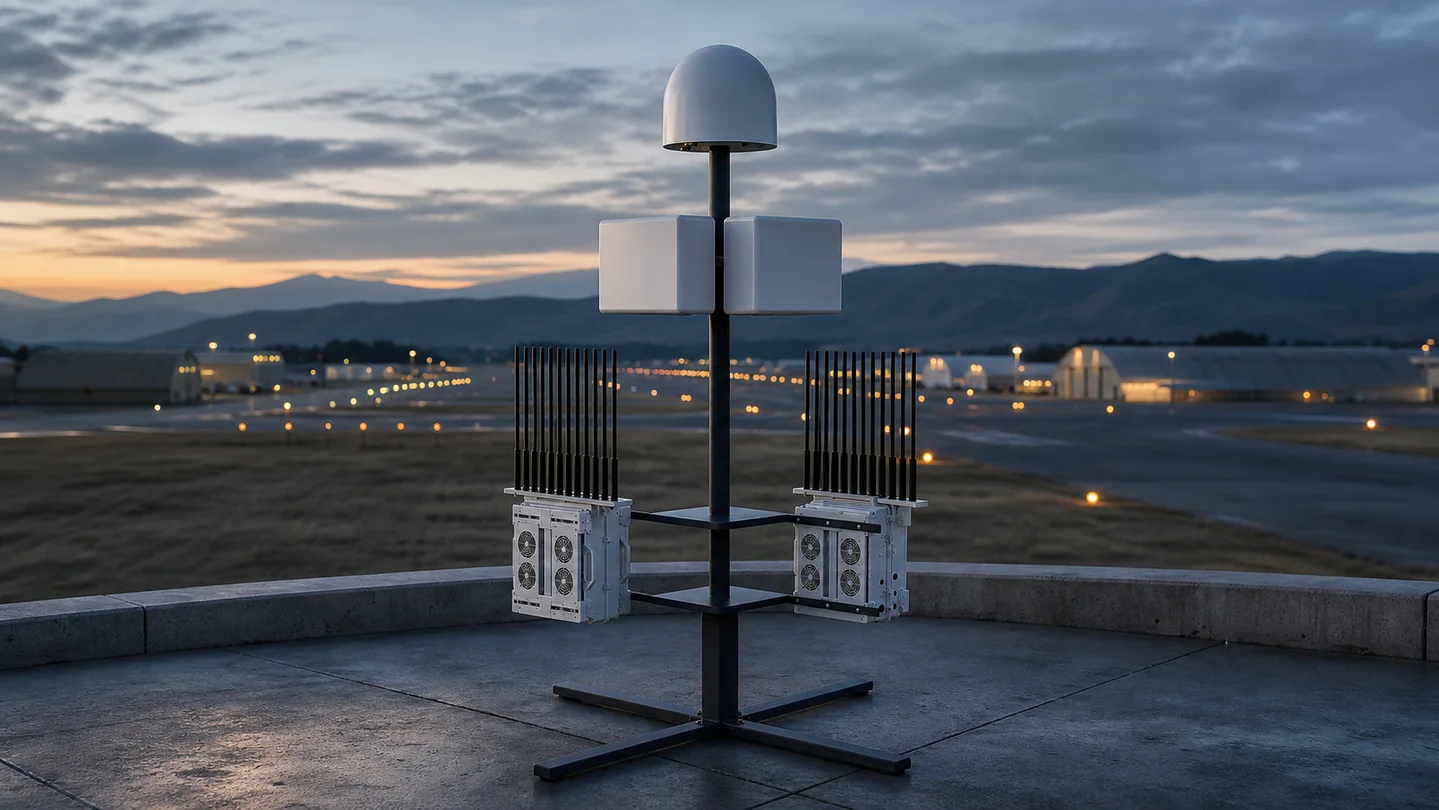
A layered fixed-site and mobile counter-UAS architecture for perimeter awareness, sensitive zones, patrol support and controlled response.
Sensors create an alert, the command layer correlates and verifies the target, and an authorized operator can apply the approved response according to site rules.
The workflow should follow local law and the approved safety policy. Many projects require human verification and authorization before any response is activated.
Potentially. Integration depends on available protocols, data quality, timing, device control requirements and project acceptance testing.
Test sensor coverage, alert accuracy, correlation, operator permissions, response zones, device status, logging, fail-safe behavior and recovery procedures.
Send the protected site, target profile, coverage and integration requirements. Our team will propose a practical architecture.

Shenzhen Jianhong Industrial Co., Ltd.
Professional low-altitude security and RF technology solution provider, offering integrated detection, monitoring, signal management, RF modules and customized OEM/ODM services.