What types of drone jammers are available?
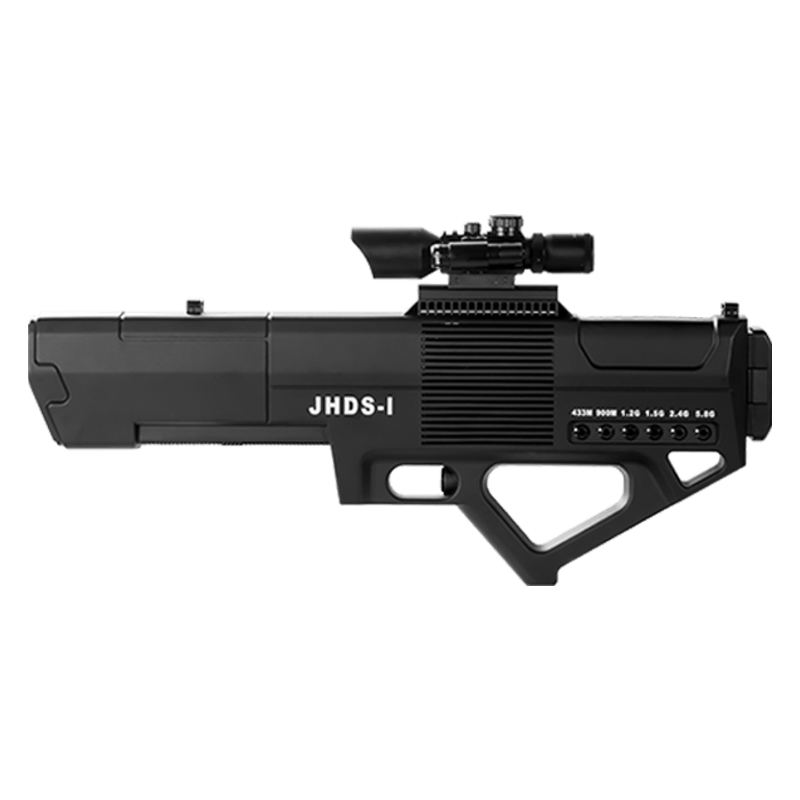
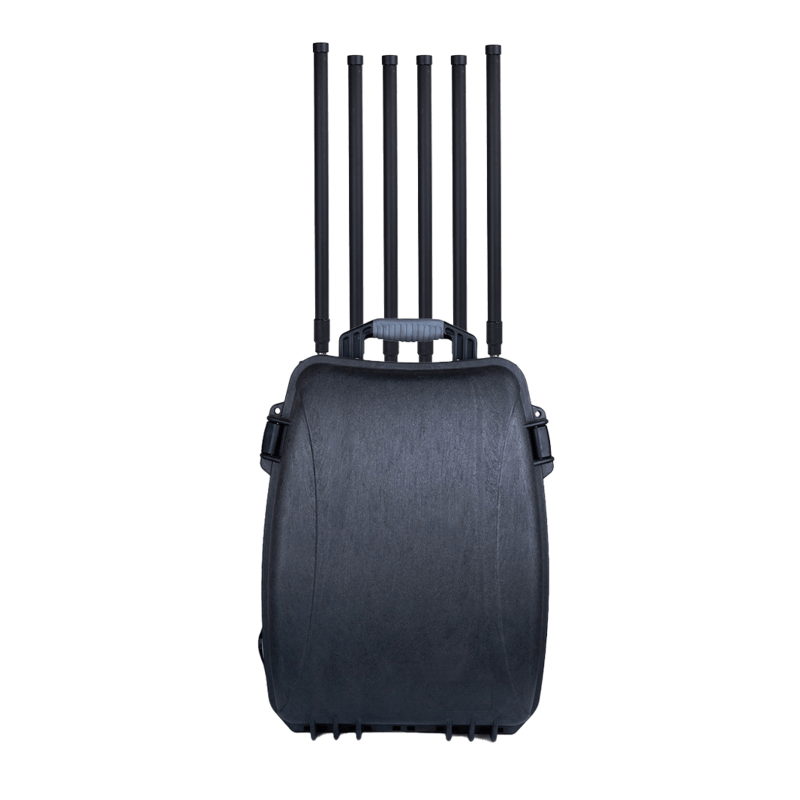
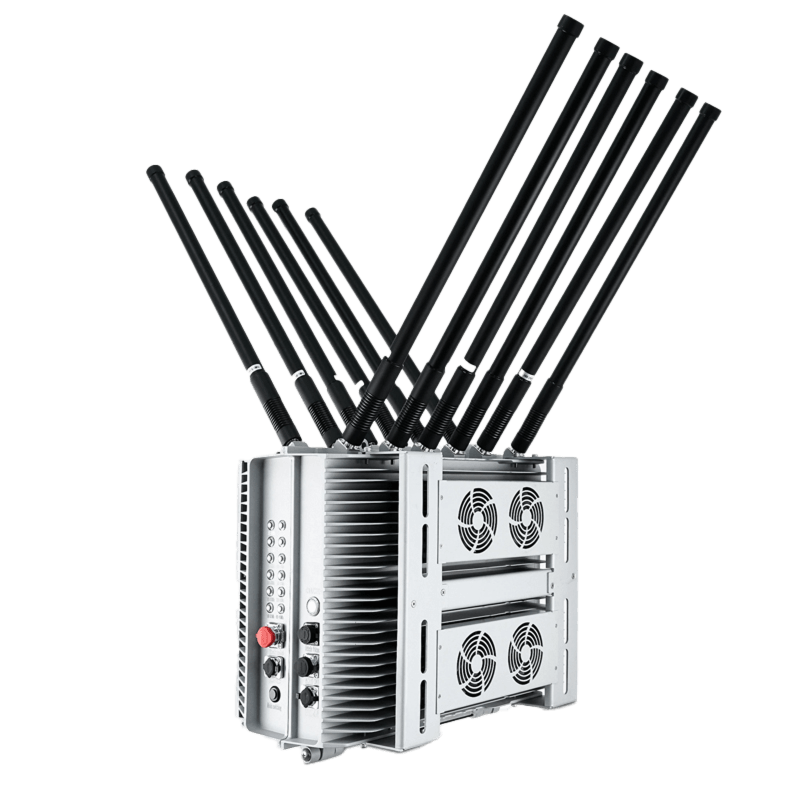
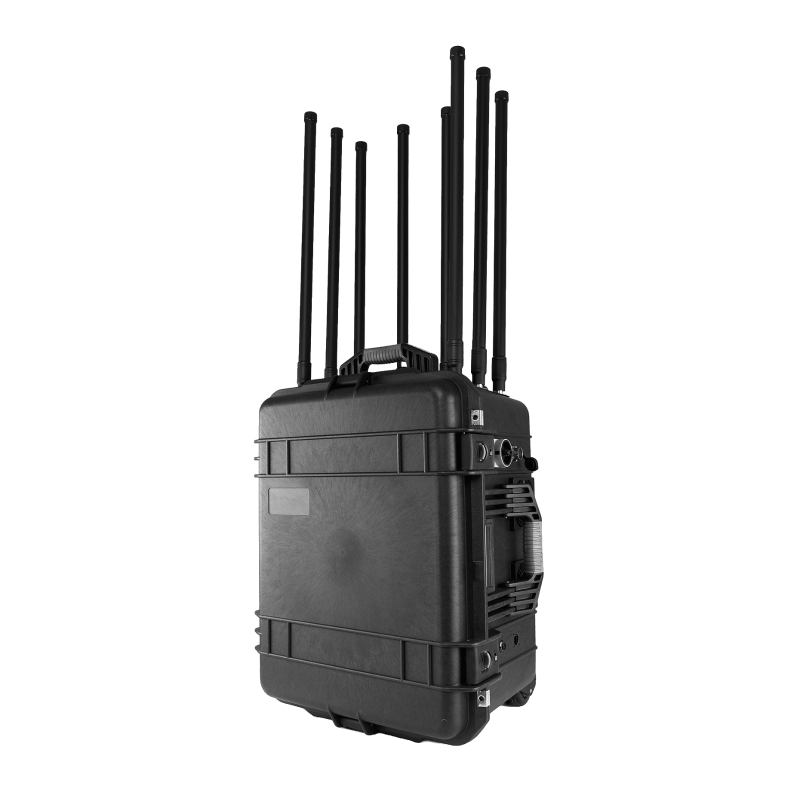
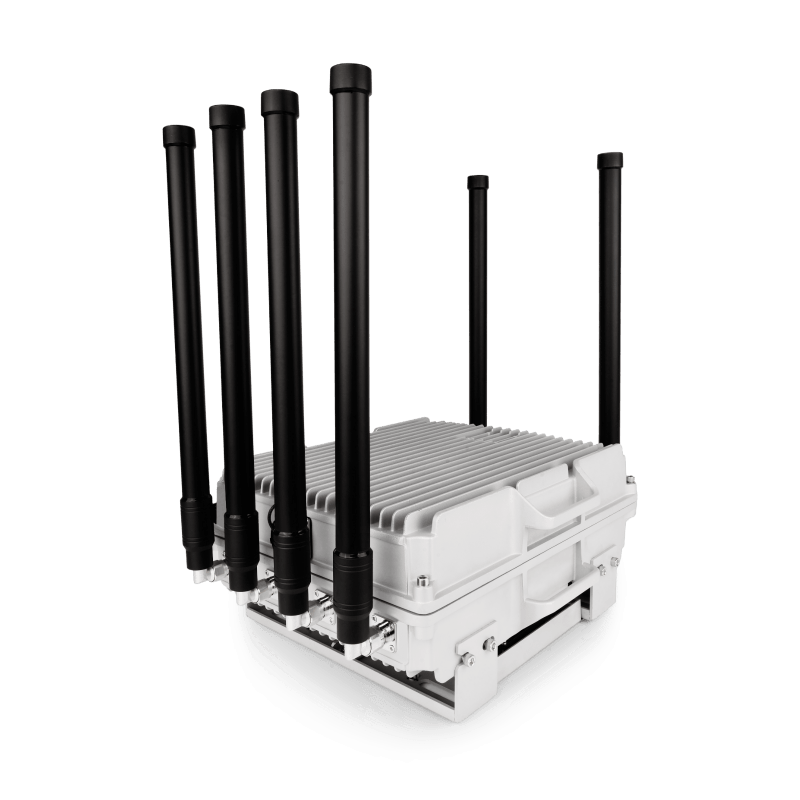
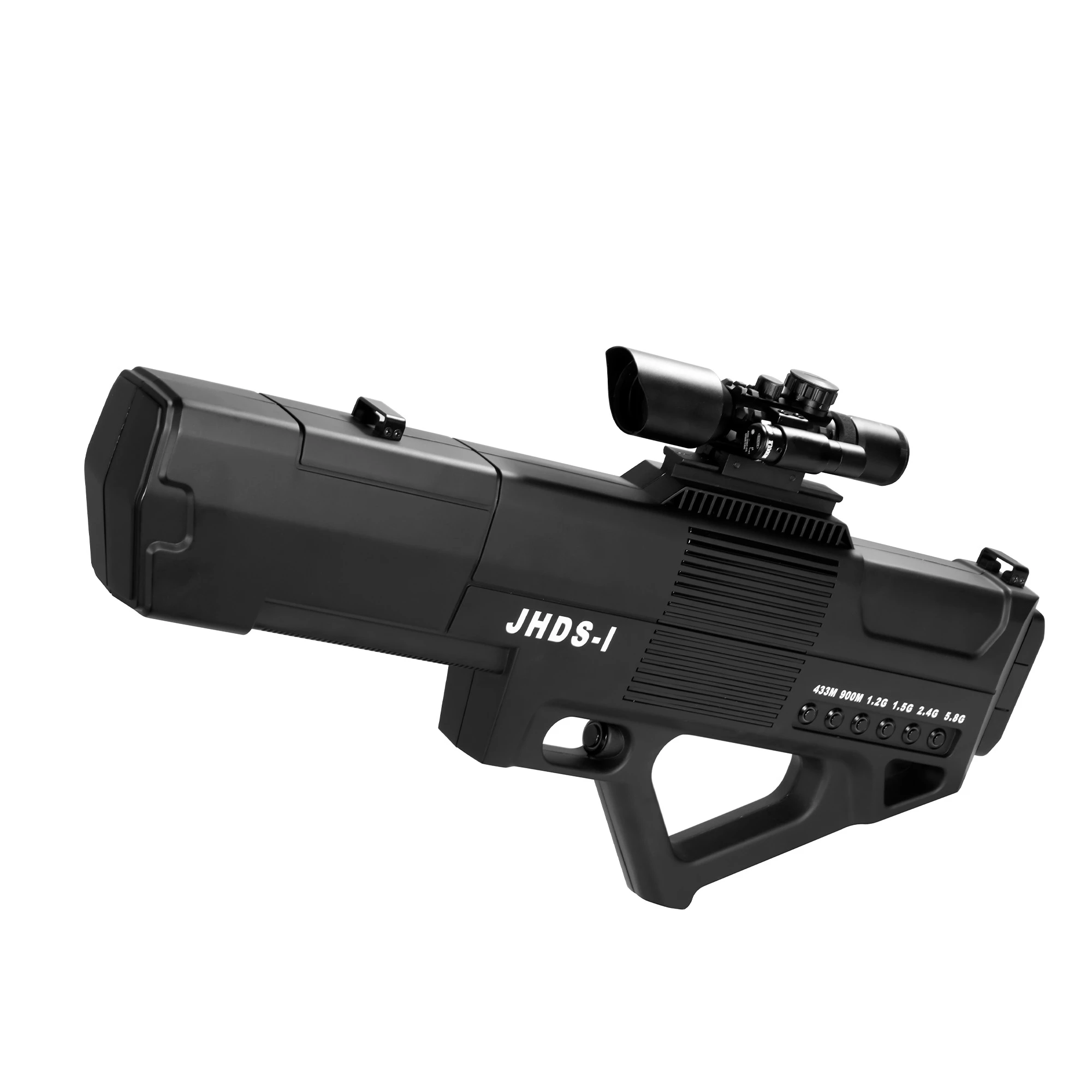
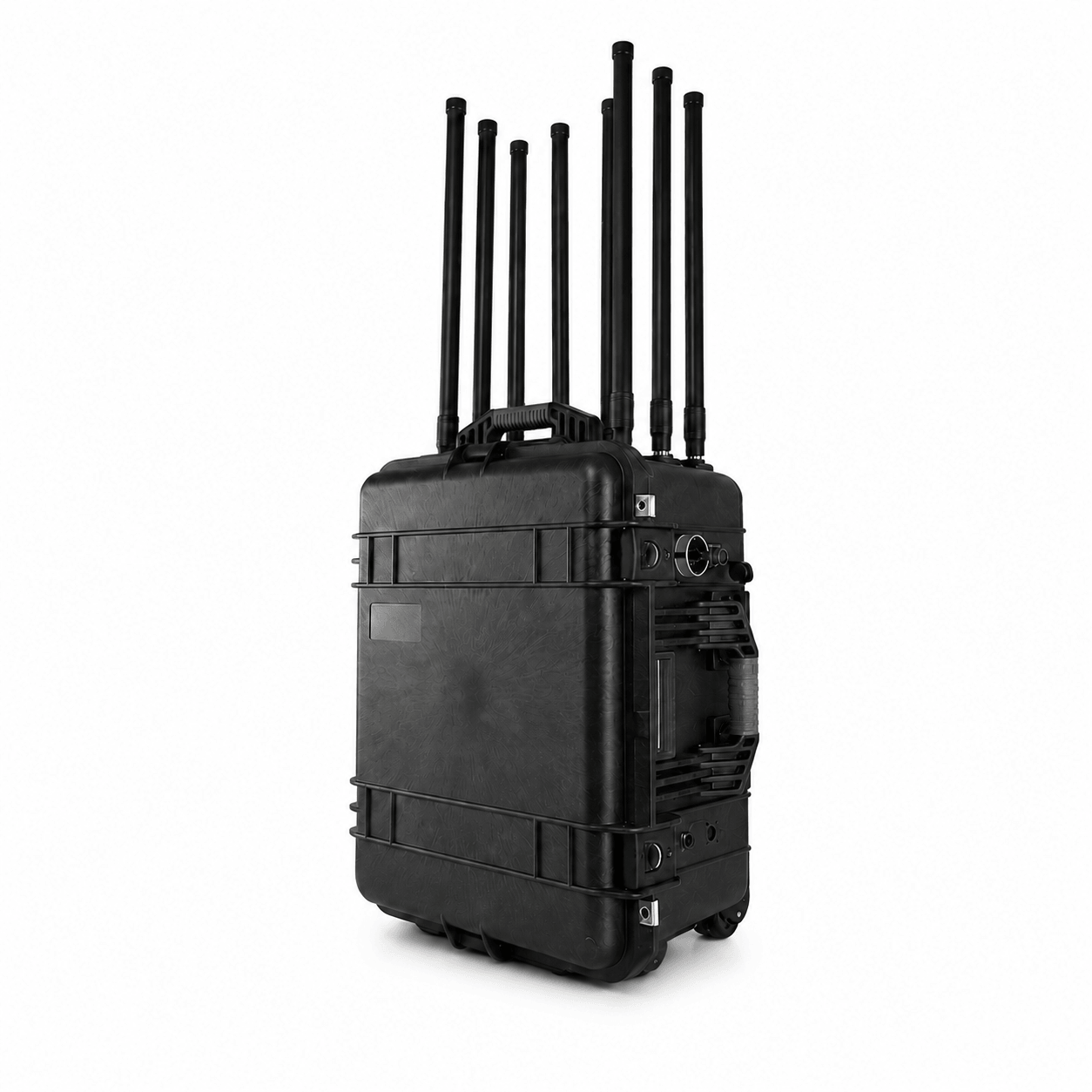
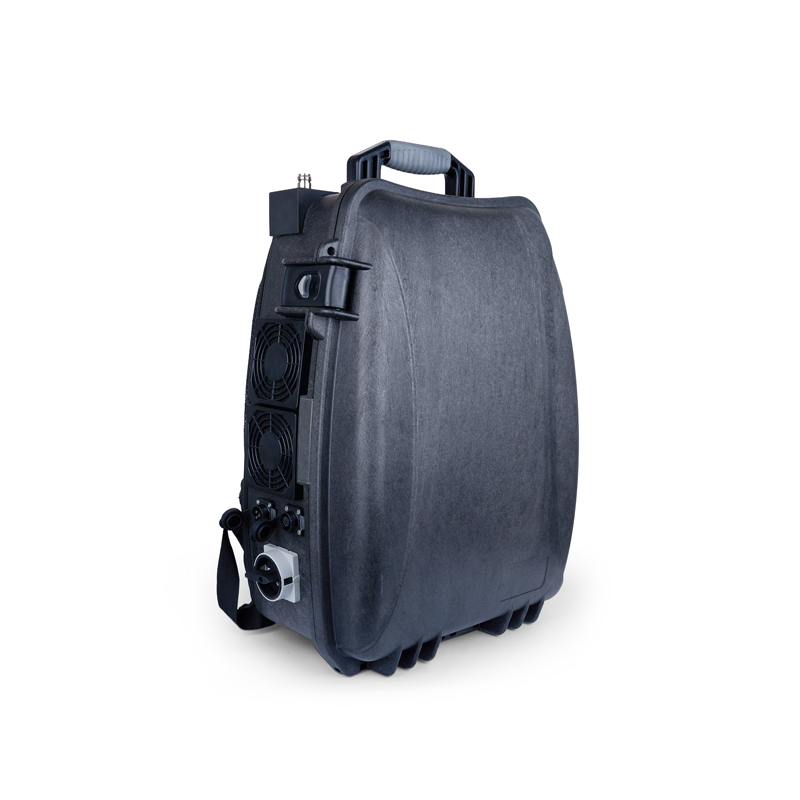
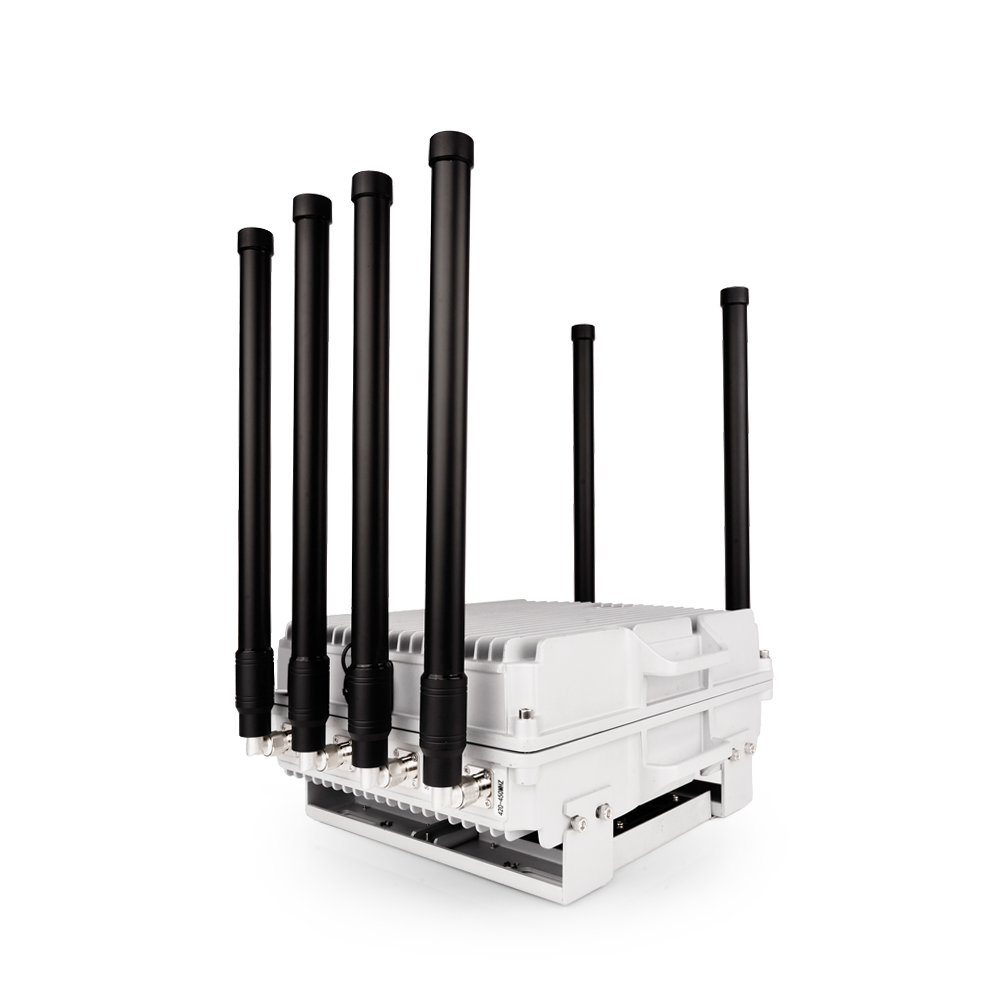
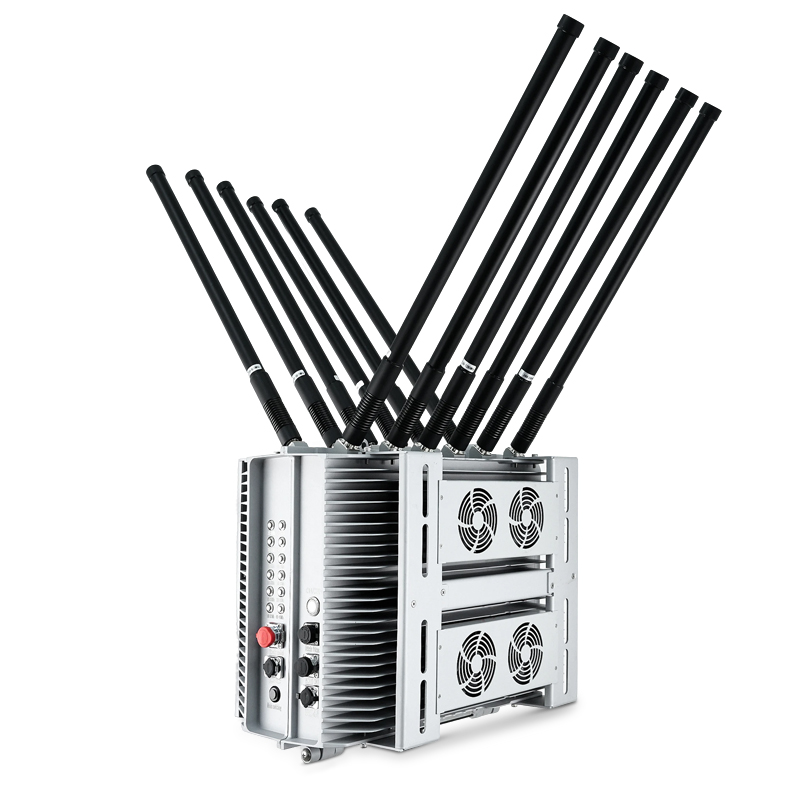
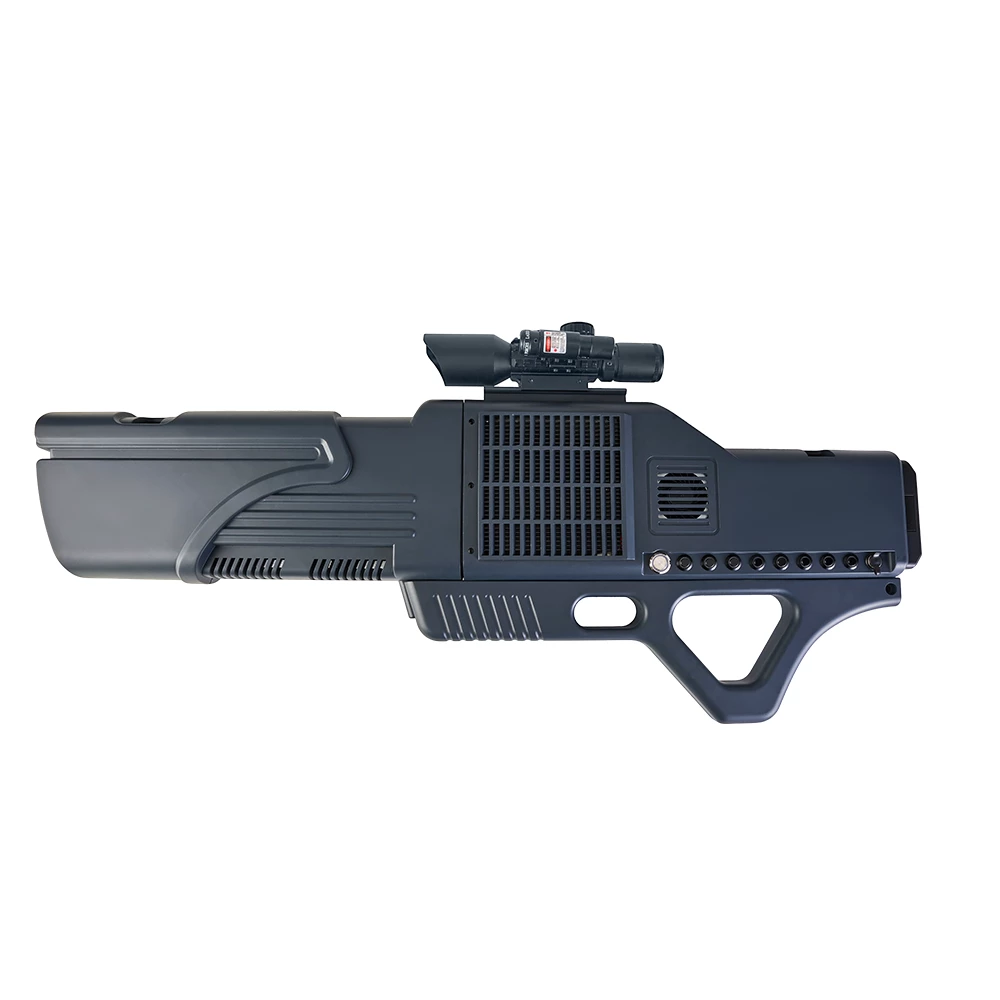
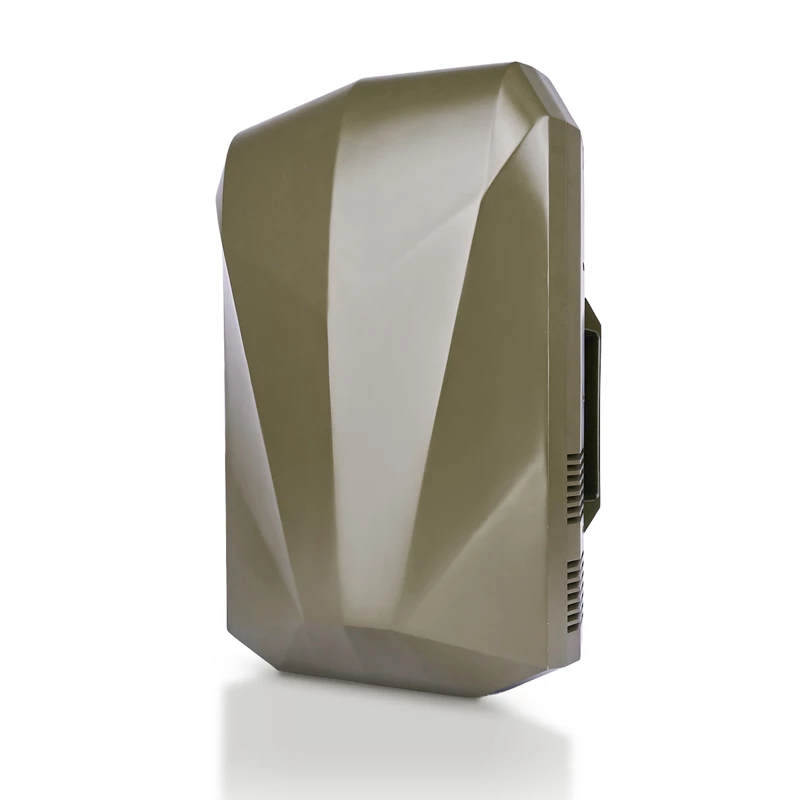
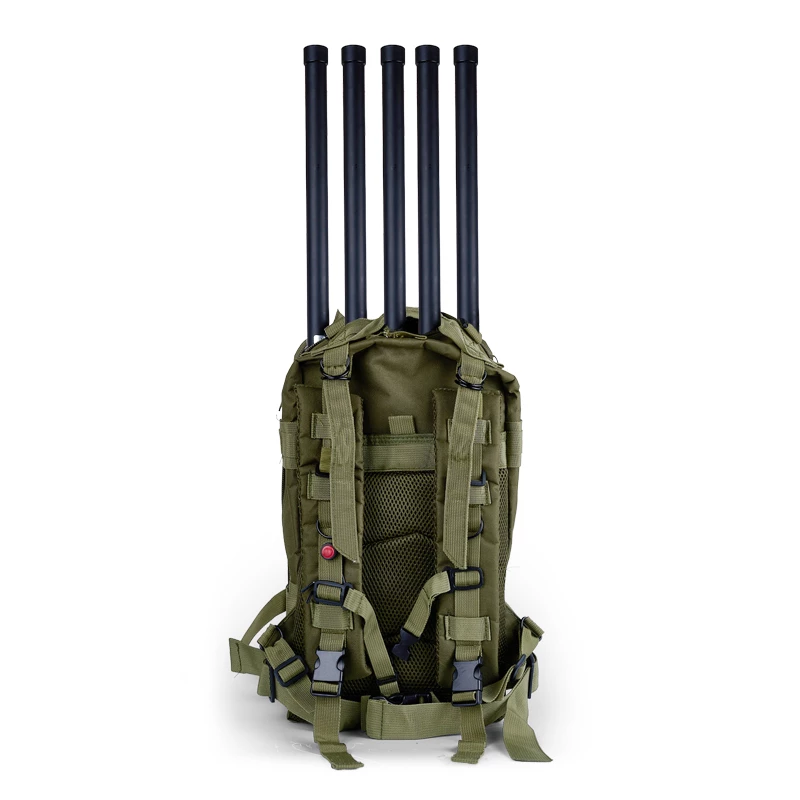
Common formats include handheld, backpack, trolley-case, fixed-site, vehicle-mounted and integrated systems. The appropriate format depends on mobility, coverage, operating time, power supply and team workflow.
Can drone jammer frequency bands be customized?
Project-based band customization may be possible after the target frequencies, bandwidth, output, enclosure, antenna and control requirements are confirmed. Technical feasibility and compliance must be evaluated for each project.
What determines effective jamming range?
Range depends on RF output, antenna gain and direction, target link strength, distance to the controller or satellite source, terrain, line of sight, interference and local spectrum conditions. Field performance cannot be represented by power alone.
Should I choose a portable or fixed anti-drone jammer?
Portable devices suit patrols and temporary tasks. Fixed systems are better for persistent site protection and can support larger antennas, continuous power and centralized control. A vehicle-mounted system may suit operations that need both mobility and higher capacity.
Is it legal to buy or operate a drone jammer?
Rules vary by country and may restrict import, possession, sale, transmission or operation. Buyers and operators are responsible for obtaining the necessary spectrum and government authorization before deployment.
What information is needed for a jammer quotation?
Provide the application, target bands, preferred range, directional or omnidirectional coverage, portable or fixed format, operating time, quantity, control requirements and destination country.