How to Jam FPV Drones: A Technical Guide
FPV (First-Person View) drones are commonly used in racing, but also pose unique security threats due to their low-latency analog video feeds and manual piloting.
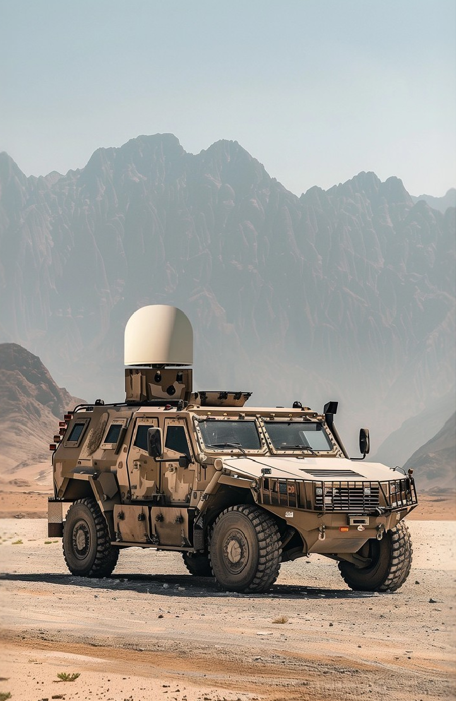
Why Standard Jammers Fail Against FPV Drones
Most commercial anti-drone systems target digital protocols like Wi-Fi or GPS. However, FPV drones often use analog 5.8GHz video transmitters and direct RC links that bypass GPS entirely. This makes them immune to GPS-only jammers.
Key Frequencies to Jam
- 5.8 GHz: Primary band for analog FPV video downlink (channels 1–8)
- 2.4 GHz: Often used for RC control (though some use 433MHz or 915MHz)
- Optional: Some advanced FPV systems use 1.3GHz or 2.3GHz for long-range video
Effective Jamming Strategy
To neutralize FPV drones, a jammer must:
- Transmit high-power noise across the entire 5.8GHz ISM band (5725–5850 MHz)
- Simultaneously jam the RC control frequency (usually 2.4GHz)
- Use directional antennas to avoid collateral interference
Our FPV-Specific Jammer covers all 8 standard 5.8GHz channels and integrates with radar for real-time detection.
FPV Threats Require Specialized Defense
Don’t rely on generic drone jammers. Equip your team with purpose-built FPV countermeasures.
Last updated: March 20, 2025